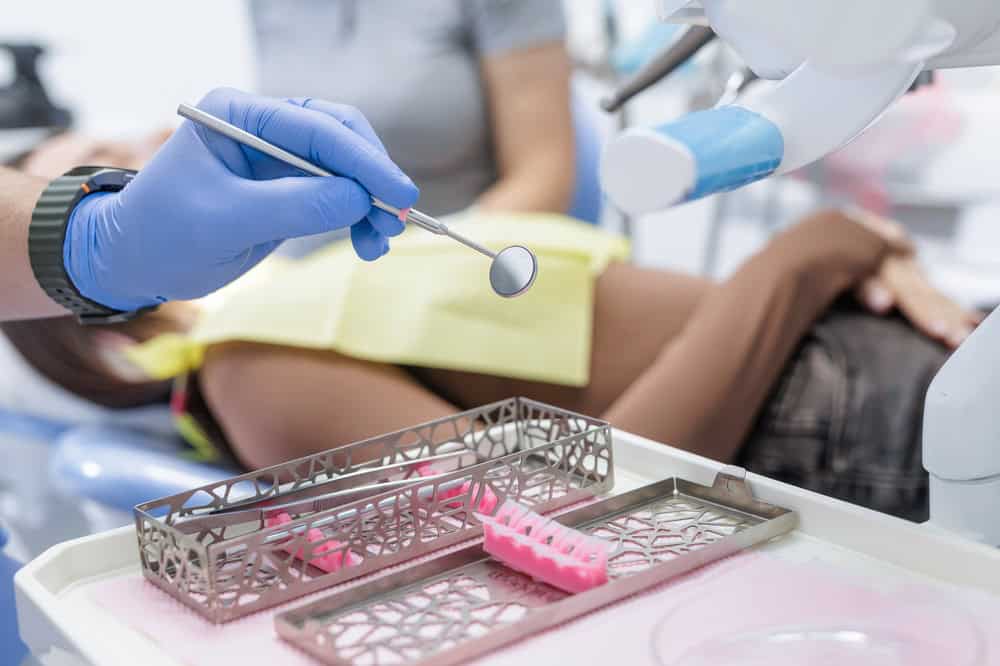
During a dental check-up, your dentist is doing much more than simply looking at your teeth. Each examination is a careful and structured assessment designed to understand your overall oral health, identify early changes, and guide you toward the right care. As part of our Dental Check-ups & Examinations approach, we focus on clear, thorough evaluations that help you feel informed and confident about your dental health.
Why dental exams are detailed
A dental exam is designed to look at the full picture, not just one area. Teeth, gums, jaw function, and soft tissues all work together, so it is important to assess how each part is functioning and whether there are any early signs of concern.
Many dental issues begin without pain or obvious symptoms. By looking closely and consistently, dentists can detect small changes early and recommend simple steps to prevent them from becoming more complex problems.
Checking for tooth decay
One of the first things dentists look for is tooth decay. This includes early enamel changes as well as more developed cavities.
Early enamel changes
Dentists check for white or chalky areas on the teeth, which can indicate the early stages of mineral loss. At this stage, preventive care may help protect the tooth without the need for treatment.
Cavities and deeper decay
If decay has progressed, it may appear as darker spots or small openings in the tooth. Identifying these areas early allows for straightforward treatment that restores the tooth and prevents further damage.
Assessing gum health
The condition of your gums is a key part of the examination. Healthy gums support your teeth and protect the underlying structures.
Signs of inflammation
Dentists look for redness, swelling, and bleeding, which may indicate early gum irritation. Addressing this early can help restore gum health with simple changes and professional care.
Gum attachment and support
The dentist may assess how well the gums are attached to the teeth and check for any signs of recession or deeper gum concerns. This helps determine whether the gums are providing proper support.
Evaluating existing dental work
If you have had previous treatments such as fillings, crowns, or bridges, these will be carefully checked during your exam.
Condition and stability
Dentists look for signs of wear, damage, or gaps around existing dental work. Even well-placed restorations can change over time, so regular monitoring is important.
Function and fit
The way dental work fits and functions is also assessed. Ensuring that everything remains secure and comfortable helps maintain long-term oral health.
Looking for tooth wear and damage
Teeth can wear down gradually over time due to everyday use or habits such as grinding and clenching. Dentists check for these changes as part of a routine exam.
Enamel wear
Smooth or flattened surfaces can indicate enamel wear. This may be linked to diet, brushing habits, or grinding.
Cracks and chips
Small cracks or chips may not always be visible to patients, but they can affect the strength of the tooth. Early identification allows for monitoring or treatment if needed.
Checking the bite and jaw
Your dentist will also assess how your teeth come together when you bite and how your jaw moves. This helps identify any imbalance or strain.
Bite alignment
An uneven bite can lead to uneven wear or discomfort over time. Dentists look for signs that the teeth are not meeting evenly.
Jaw function
If you have symptoms such as clicking, stiffness, or discomfort in the jaw, these will be considered during the exam. Identifying these issues early can help prevent further strain.
Examining soft tissues
A complete dental exam includes checking the soft tissues inside your mouth, including the tongue, cheeks, and lips.
General condition
Dentists look for any sores, irritation, or unusual changes. Most findings are minor, but it is important to monitor any areas that do not heal or appear different.
Overall oral environment
The condition of the soft tissues helps provide a full understanding of your oral health and ensures that everything is functioning as it should.
Identifying plaque and tartar build-up
Plaque and tartar are common causes of dental problems, so dentists carefully assess their presence during an exam.
Plaque accumulation
Soft plaque can build up quickly if not removed regularly. Dentists look for areas where plaque tends to collect, especially along the gumline and between teeth.
Tartar formation
Tartar is hardened plaque that cannot be removed with brushing alone. Identifying build-up helps determine whether professional cleaning is needed.
Assessing risk factors
Beyond what can be seen in the mouth, dentists also consider factors that may affect your oral health over time.
Diet and habits
Your diet, brushing routine, and lifestyle habits all influence your risk of decay and gum problems. Dentists may ask questions to understand how these factors are affecting your oral health.
Medical history
Health conditions and medications can have an impact on your teeth and gums. This information helps guide care and recommendations.
Using X-rays when needed
In some cases, X-rays are used to provide a more complete view of your oral health. These images can reveal areas that are not visible during a visual examination.
X-rays help detect decay between teeth, assess bone support, and identify hidden concerns. Your dentist will recommend them when they are needed to support accurate diagnosis.
Providing guidance and next steps
After completing the exam, your dentist will explain what they have observed in a clear and simple way. If everything looks healthy, you will be encouraged to maintain your current routine.
If any concerns are identified, they will be discussed calmly, along with possible options for care. This may include preventive advice, professional cleaning, or treatment to address specific issues.
The aim is to ensure that you feel informed and supported, with a clear understanding of your oral health and what steps to take next.
Conclusion
During a dental exam, your dentist carefully checks every aspect of your oral health, from teeth and gums to bite and soft tissues. By looking for early signs of decay, gum concerns, wear, and other changes, they can provide guidance that supports prevention and long-term care. With regular examinations and clear communication, dental visits become a reassuring way to maintain a healthy, confident smile for you and your family.