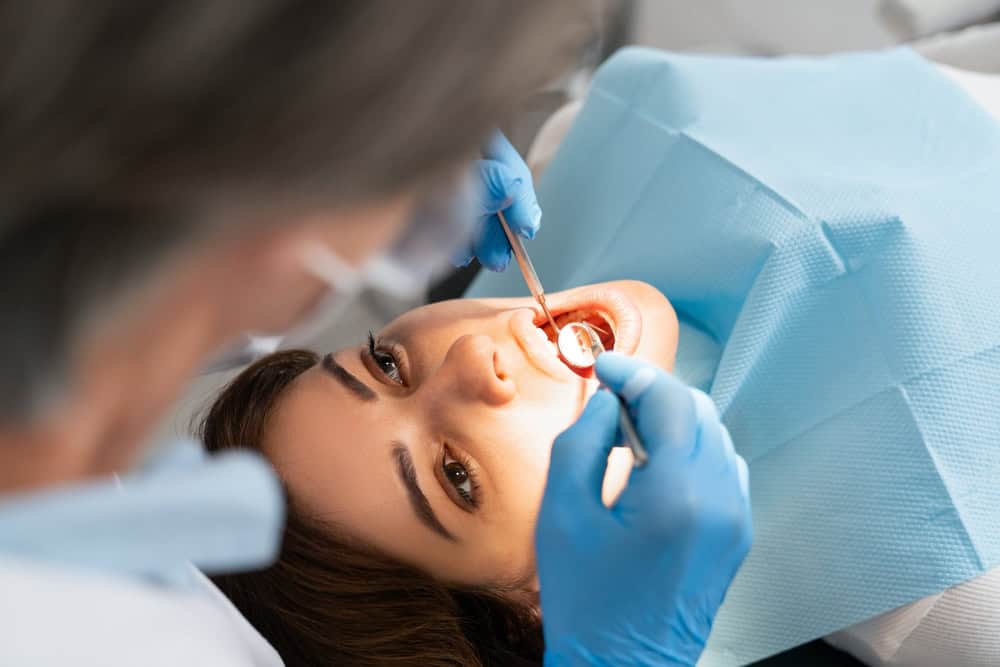
Knowing how often to visit the dentist can make a real difference to your long-term oral health and your family’s comfort with dental care. Regular visits are not just about treating problems. They are about preventing them, catching small changes early, and supporting healthy habits at every stage of life. As part of our Dental Check-ups & Examinations approach, we guide each patient with a schedule that feels manageable and suited to their individual needs.
Why regular dental visits are important
Many dental problems develop gradually and without obvious symptoms in the early stages. Tooth decay, gum inflammation, enamel wear, and even small cracks can go unnoticed until they become more serious. Regular dental visits allow your dentist to monitor these changes and address them early, often with simpler and more comfortable treatments.
Routine check-ups also support professional cleaning, which helps remove plaque and tartar that cannot be fully managed with brushing and flossing alone. Over time, this reduces the risk of gum disease, bad breath, and long-term damage to teeth and supporting structures. Just as importantly, these visits give you the chance to ask questions and receive clear advice on maintaining oral health at home.
The general recommendation
For many people, visiting the dentist every six months is a good starting point. This schedule allows for regular monitoring and timely cleaning while keeping appointments spaced comfortably throughout the year. However, it is important to understand that this is a general guideline rather than a strict rule.
Each person’s oral health is different. Some patients may benefit from more frequent visits, while others with consistently healthy teeth and gums may be advised to come in less often. Your dentist will recommend a schedule based on your individual needs rather than applying a one-size-fits-all approach.
Factors that influence how often you should visit
The ideal frequency for dental visits depends on several factors. These include your current oral health, medical history, lifestyle habits, and how well you are able to maintain your daily oral hygiene routine.
Oral health status
If your teeth and gums are healthy, with no signs of decay or gum disease, you may be able to maintain a six to twelve month schedule. However, if you have a history of frequent cavities, gum problems, or ongoing dental concerns, your dentist may recommend more regular visits to keep everything under control.
Gum health
Patients with gum inflammation or early signs of gum disease often benefit from more frequent appointments. These visits help manage plaque build-up, monitor gum condition, and prevent progression to more advanced stages. Keeping gum health stable is an important part of protecting your overall oral health.
Age and stage of life
Children, teenagers, adults, and older patients all have different dental needs. Young children benefit from regular visits to support healthy development, build confidence, and establish good habits. Teenagers may need monitoring for alignment or orthodontic concerns. Adults often focus on maintenance and prevention, while older patients may require closer attention to gum health, tooth wear, or existing dental work.
Medical conditions and medications
Certain health conditions can affect oral health. For example, diabetes can increase the risk of gum disease, while medications that cause dry mouth can raise the risk of tooth decay. In these cases, more frequent dental visits may be recommended to help manage these risks and maintain comfort.
Lifestyle habits
Diet, smoking, oral hygiene routines, and daily habits all play a role. Frequent consumption of sugary or acidic foods and drinks can increase the risk of decay and enamel wear. Smoking can affect gum health and healing. Patients with these risk factors may benefit from more regular monitoring and support.
Dental visits for children
For children, early and consistent dental visits are especially important. Most children should begin visiting the dentist from a young age, and continue with regular check-ups every six months unless advised otherwise. These visits help monitor how teeth are growing, identify early concerns, and guide parents on brushing, diet, and habits such as thumb sucking.
Equally important is helping children feel comfortable and confident at the dentist. Gentle, positive experiences during early visits can shape how they feel about dental care for years to come. Regular appointments also help children become familiar with the environment, making future visits easier and less stressful.
Dental visits for adults
Adults often assume that if they are not in pain, they do not need to visit the dentist. In reality, regular check-ups are essential even when everything feels fine. Preventive visits help identify early signs of decay, gum disease, worn enamel, or issues with existing fillings and crowns.
Adults may also experience changes related to stress, diet, or lifestyle that affect oral health. Grinding or clenching teeth, for example, can cause gradual wear or discomfort. Regular visits allow these issues to be identified and managed before they lead to more noticeable problems.
Dental visits for older patients
As we get older, dental care often requires a more tailored approach. Gum recession, dry mouth, tooth sensitivity, and the maintenance of existing dental work become more important. Regular visits help ensure that these concerns are managed in a way that supports comfort and long-term function.
Older patients may also be managing other health conditions, which can have an impact on oral health. A consistent dental schedule helps maintain stability and prevent complications.
What happens if you delay dental visits
Skipping or delaying dental visits can allow small issues to develop into more complex problems. A minor cavity can become a larger area of decay, gum inflammation can progress to gum disease, and plaque build-up can harden into tartar that is more difficult to remove.
In many cases, patients only notice a problem once discomfort or visible damage appears. By this stage, treatment may require more time and care than if the issue had been identified earlier. Regular visits help avoid this cycle by keeping oral health on track.
How your dentist decides your schedule
At the end of each visit, your dentist will recommend when you should return. This decision is based on what they have observed during your examination, your dental history, and any risk factors that may affect your oral health. The goal is to create a schedule that supports prevention while fitting comfortably into your routine.
If your oral health improves over time, your visit frequency may be adjusted. Similarly, if new concerns arise, your dentist may suggest closer follow-up until things are stable again. This flexible approach ensures that your care is always appropriate for your needs.
Building a routine that works for your family
For families, scheduling regular dental visits together can make it easier to stay consistent. Many parents find it helpful to plan check-ups at the same time each year or align them with school schedules. This creates a routine that children become familiar with and helps reinforce the importance of ongoing care.
Simple habits at home, such as brushing twice daily, cleaning between the teeth, and making balanced dietary choices, work alongside regular dental visits to maintain healthy smiles. When these habits are supported by professional care, the results are more predictable and easier to maintain.
Conclusion
How often you should visit the dentist depends on your individual oral health, lifestyle, and stage of life, but regular check-ups remain an essential part of preventive care. While many patients benefit from visiting every six months, your dentist will guide you toward a schedule that suits your needs and supports long-term health. With consistent visits, early detection, and clear guidance, dental care becomes a simple and reassuring part of maintaining a healthy smile for you and your family.