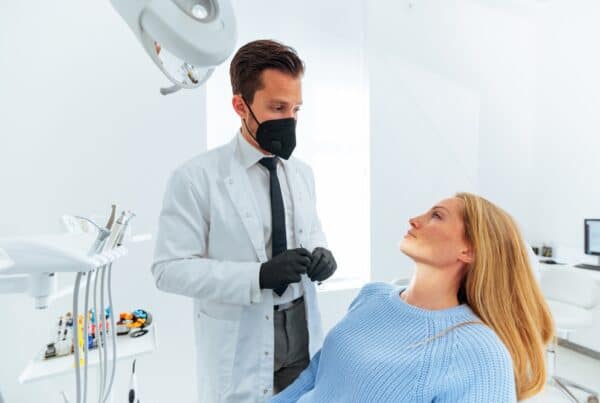
Your overall health and your oral health are closely connected, and understanding this link is an important part of maintaining a healthy smile. A medical history review is a routine step during dental visits, helping your dentist provide safe, effective, and personalised care. As part of our Dental Check-ups & Examinations approach, we take the time to understand your health background so we can support your dental care in a calm and practical way.
Why medical history matters in dentistry
Your mouth does not function in isolation from the rest of your body. Many medical conditions, medications, and lifestyle factors can influence your teeth, gums, and overall oral health. Reviewing your medical history allows your dentist to identify any risks, adjust treatment where needed, and ensure your care is appropriate and comfortable.
This step is not just about safety. It also helps your dentist provide advice that reflects your individual situation, supporting both your oral health and general wellbeing.
What is included in a medical history review
During your dental visit, you will be asked to provide information about your health. This usually includes details about any medical conditions, medications, allergies, and recent changes in your health.
You may also be asked about lifestyle factors such as smoking, diet, and habits that could affect your oral health. Keeping this information up to date is important, as changes in your health can influence how your dental care is planned.
How medical conditions affect oral health
Several health conditions can have a direct or indirect impact on your teeth and gums. Understanding these links helps your dentist monitor your oral health more closely.
Diabetes
Diabetes can affect how the body responds to infection, making gum health more difficult to maintain. Patients with diabetes may be more prone to gum inflammation and may require closer monitoring to keep their gums healthy.
Heart conditions
Certain heart conditions may require specific precautions during dental treatment. Your dentist may adjust your care to ensure it is carried out safely and comfortably.
Hormonal changes
Hormonal changes during pregnancy or other life stages can affect gum sensitivity and increase the likelihood of inflammation. Regular dental care helps manage these changes effectively.
Autoimmune conditions
Conditions that affect the immune system can influence how the body responds to oral bacteria and healing. This may require a more tailored approach to dental care.
The impact of medications on oral health
Medications can play a significant role in oral health. Many commonly used medicines may affect the mouth in different ways.
Dry mouth
Some medications reduce saliva flow, leading to dry mouth. Saliva helps protect teeth by neutralising acids and washing away food particles, so reduced saliva can increase the risk of decay.
Gum changes
Certain medications can cause the gums to become more sensitive or overgrown. Regular dental visits help monitor these changes and manage them effectively.
Healing and bleeding
Some medicines may affect how quickly the body heals or how it responds to dental treatment. Sharing this information allows your dentist to plan care that supports your comfort and safety.
Allergies and sensitivities
Informing your dentist about any allergies is an important part of your medical history. This may include allergies to medications, materials, or substances used during dental care.
By understanding your sensitivities, your dentist can choose suitable materials and approaches that avoid discomfort and ensure a safe experience.
Lifestyle factors and oral health
Your daily habits can also influence your oral health and are often discussed as part of your medical history.
Smoking
Smoking can affect gum health, healing, and the overall condition of your mouth. It may increase the risk of gum disease and other concerns.
Diet
Frequent consumption of sugary or acidic foods and drinks can increase the risk of tooth decay and enamel wear. Discussing your diet helps your dentist provide practical advice.
Stress and habits
Stress can lead to habits such as teeth grinding or clenching, which may affect the teeth and jaw. Identifying these patterns allows for early support.
How dentists use your medical history
Your medical history helps guide every aspect of your dental care, from routine check-ups to more specific treatments.
Personalised treatment planning
By understanding your health background, your dentist can tailor treatment plans to suit your needs, ensuring that care is both effective and appropriate.
Preventive care guidance
Your dentist can provide advice that reflects your individual risk factors, helping you maintain oral health with simple, practical steps.
Safe treatment decisions
Knowing your medical history allows your dentist to take any necessary precautions and provide care that prioritises your safety and comfort.
Updating your medical information
It is important to keep your medical information up to date at each dental visit. Even small changes, such as starting a new medication or experiencing a change in health, can be relevant to your care.
Sharing this information ensures that your dentist has the most accurate understanding of your needs and can provide the best possible support.
Supporting children and family care
For children, parents are asked to provide medical history information during dental visits. This helps the dentist understand any factors that may influence the child’s oral health or development.
Family dental care benefits from clear communication, ensuring that each member receives care that reflects their individual needs and stage of life.
Building trust through communication
A clear and open discussion about your medical history helps build trust between you and your dental team. It allows you to feel confident that your care is based on a full understanding of your health.
Your dentist is there to listen, guide, and support you, making sure that your experience is comfortable and reassuring.
Conclusion
Understanding the connection between medical history and oral health helps ensure that your dental care is safe, personalised, and effective. By sharing accurate information and keeping it up to date, you support your dentist in providing care that reflects your needs. With clear communication and regular visits, maintaining a healthy smile becomes a well-supported and reassuring part of your overall wellbeing.