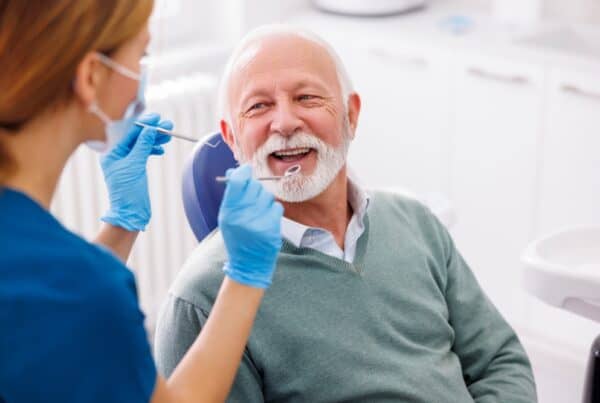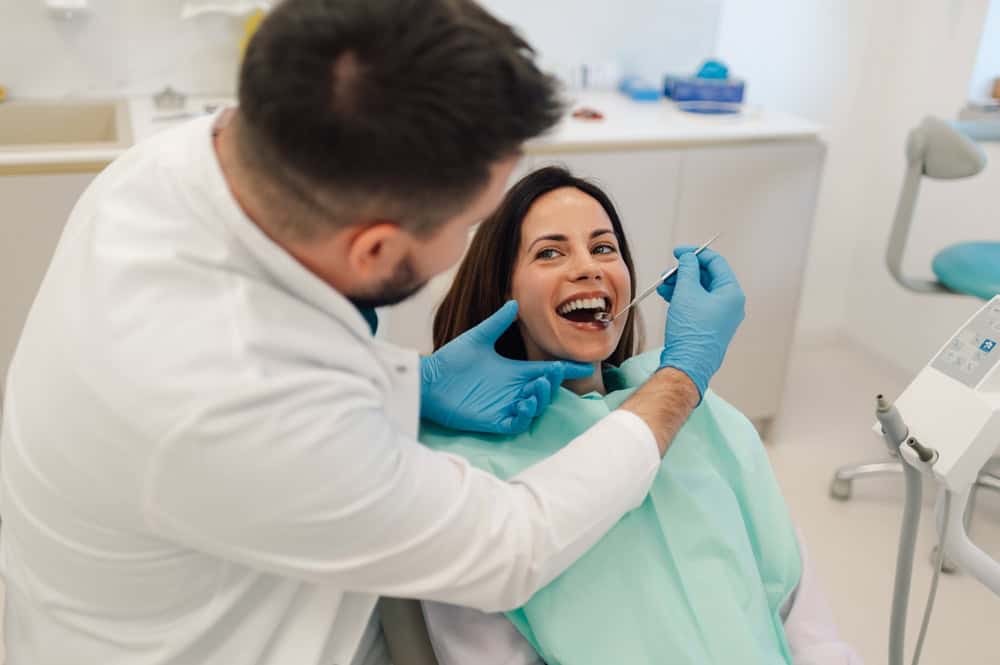
Keeping your teeth and gums healthy starts with understanding what to look for and how to stay consistent with daily care. An oral health assessment checklist is a simple and practical way to stay aware of your dental health between visits and to know when it may be time to see a dentist. As part of our Dental Check-ups & Examinations approach, we encourage patients and families to use clear, easy steps to monitor their oral health with confidence and comfort.
What is an oral health assessment checklist
An oral health assessment checklist is a guide that helps you review the condition of your teeth, gums, and mouth on a regular basis. It is not a replacement for a professional dental examination, but it supports awareness and helps you recognise early changes that may need attention.
This checklist can be used at home by individuals or families, and it can also help parents monitor their children’s dental health. By taking a few moments to observe and reflect, you can build habits that support long-term oral health.
Why using a checklist is helpful
Many dental issues begin without pain or obvious symptoms. A checklist provides a structured way to notice small changes that might otherwise be overlooked. It also encourages consistency, making it easier to stay on track with good oral hygiene and preventive care.
Using a checklist can also make dental visits more productive. When you are aware of changes or concerns, you can discuss them clearly with your dentist, helping them provide more focused guidance and care.
Daily oral hygiene check
Your daily routine plays a key role in maintaining oral health. Reviewing your habits regularly helps ensure you are giving your teeth and gums the care they need.
Brushing routine
Check that you are brushing your teeth at least twice a day using a fluoride toothpaste. Brushing should last around two minutes and cover all surfaces of the teeth. Pay attention to whether you are brushing gently but thoroughly, especially along the gumline.
Cleaning between teeth
Cleaning between your teeth is just as important as brushing. Consider whether you are using floss, interdental brushes, or another suitable method daily. This helps remove plaque from areas that a toothbrush cannot reach.
Toothbrush condition
Take a moment to look at your toothbrush. Worn or frayed bristles are less effective at cleaning. Replacing your toothbrush regularly helps maintain good oral hygiene.
Checking your teeth
Looking closely at your teeth can help you spot early signs of concern. Use a mirror and good lighting to carry out a simple visual check.
Colour and surface
Notice if there are any dark spots, white patches, or changes in colour. These can sometimes indicate early decay or enamel changes. Teeth should generally appear smooth and consistent in colour.
Shape and structure
Check for chips, cracks, or uneven edges. Even small changes in the shape of a tooth may need attention, especially if they affect how your teeth come together when you bite.
Sensitivity
Be aware of any sensitivity to hot, cold, or sweet foods. If this is happening more often or becoming uncomfortable, it may be worth discussing with your dentist.
Checking your gums
Your gums provide essential support for your teeth, so it is important to monitor their condition regularly.
Colour and appearance
Healthy gums are usually pink and firm. Redness, swelling, or puffiness may indicate irritation or inflammation.
Bleeding
Notice whether your gums bleed when brushing or cleaning between your teeth. Occasional minor bleeding can happen, but regular or persistent bleeding should be assessed by a dentist.
Gum position
Check whether your gums appear to be receding or pulling away from the teeth. This may make teeth look longer and can lead to sensitivity.
Monitoring your breath and taste
Changes in breath or taste can also be part of an oral health assessment.
Bad breath
Persistent bad breath that does not improve with regular cleaning may indicate plaque build-up or gum concerns. It is helpful to notice patterns and whether the issue continues over time.
Unusual taste
An ongoing unpleasant taste in the mouth may suggest that there is an area that needs attention. This can sometimes be linked to trapped food, infection, or other dental issues.
Assessing your bite and comfort
Your bite and how your teeth feel when you chew are also important indicators of oral health.
Bite alignment
Pay attention to how your teeth come together. If your bite feels different, uneven, or uncomfortable, it may be worth having it checked.
Jaw comfort
Notice any jaw pain, clicking, or stiffness when opening and closing your mouth. These signs can be related to muscle tension or bite concerns.
Checking the soft tissues of the mouth
The soft tissues inside your mouth also play an important role in overall oral health.
Tongue and cheeks
Look for any sores, patches, or areas of irritation on your tongue and the inside of your cheeks. Most minor issues heal quickly, but anything that does not improve should be assessed.
Lips and mouth lining
Check for dryness, cracking, or unusual changes. Keeping these areas healthy contributes to overall comfort and function.
Diet and lifestyle review
Your daily habits can influence your oral health, so it is helpful to reflect on them as part of your checklist.
Food and drink choices
Frequent sugary or acidic foods and drinks can increase the risk of decay and enamel wear. Consider whether your diet supports balanced oral health.
Hydration
Staying hydrated helps maintain saliva flow, which protects your teeth and gums. Dry mouth can increase the risk of dental problems.
Habits
Habits such as smoking or frequent snacking can affect oral health. Being aware of these factors can help you make small, positive changes.
When to schedule a dental visit
If your checklist highlights any concerns such as pain, sensitivity, bleeding gums, or changes in appearance, it is a good idea to schedule a dental examination. Even if everything appears normal, regular check-ups remain an important part of maintaining oral health.
Using this checklist can help you feel more prepared and confident when visiting the dentist, as you will have a clear understanding of any changes or questions you want to discuss.
Using the checklist for children
For families, this checklist can also be adapted for children. Parents can help monitor brushing habits, check for visible changes in teeth, and encourage children to speak up if they feel discomfort. Making this a simple and positive routine helps children develop awareness and confidence in caring for their teeth.
Keeping the process relaxed and encouraging can make a big difference, especially for younger children who are still building their dental habits.
Conclusion
An oral health assessment checklist is a simple and effective way to stay connected to your dental health between visits. By regularly checking your teeth, gums, habits, and comfort, you can identify early changes and take action when needed. Combined with regular dental examinations, this approach supports healthy routines, early prevention, and long-term care for you and your family.