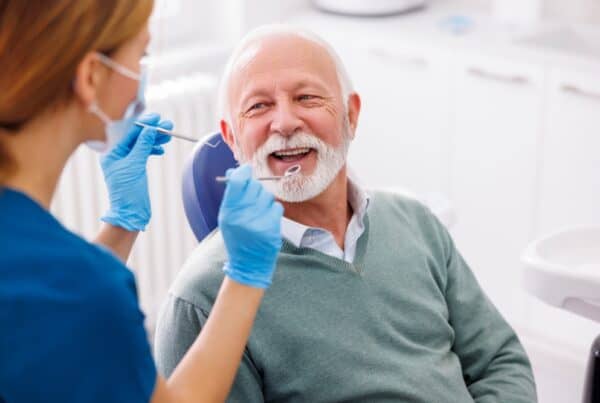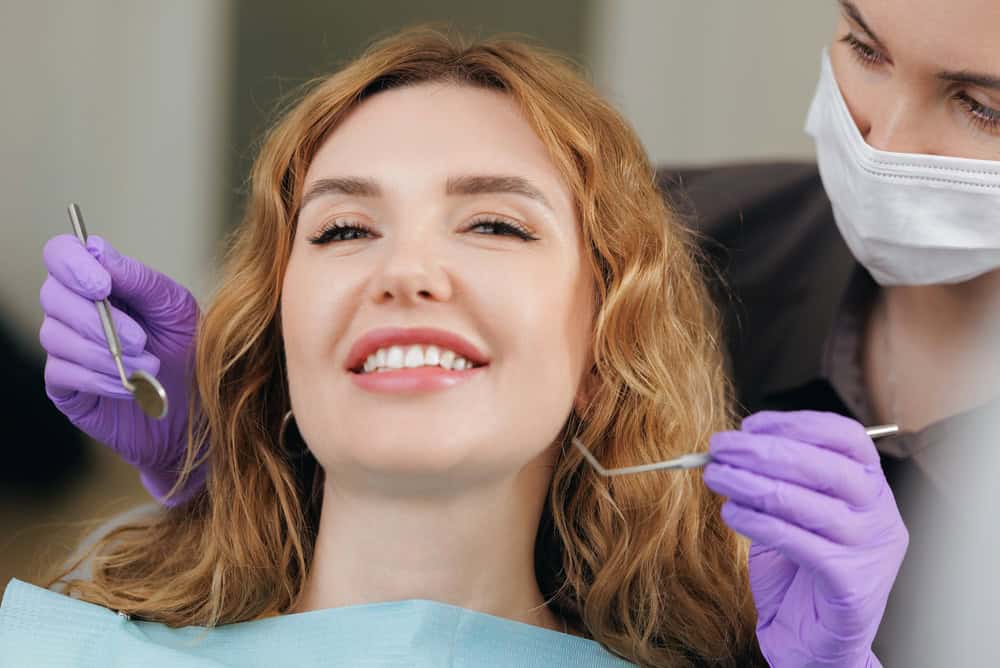
Maintaining healthy teeth and gums starts with good daily habits, but understanding how effective those habits are is just as important. An oral hygiene evaluation is a supportive way for your dentist to assess how well your routine is working and where small improvements can make a big difference. As part of our Dental Check-ups & Examinations approach, we take the time to review your oral care in a clear and practical way, helping you feel confident about your routine at home.
What is an oral hygiene evaluation
An oral hygiene evaluation is a focused assessment of how well your daily brushing and cleaning habits are maintaining your oral health. It looks at the presence of plaque and tartar, the condition of your gums, and how effectively you are cleaning different areas of your mouth.
This evaluation is not about judgement. It is about understanding your current routine and providing guidance that fits your lifestyle, making it easier to care for your teeth and gums consistently.
Why oral hygiene evaluation is important
Even with regular brushing, it is easy to miss certain areas of the mouth. Plaque can build up in places that are difficult to reach, such as between the teeth or along the gumline. Over time, this can lead to tooth decay, gum irritation, and other concerns.
An oral hygiene evaluation helps identify these areas early and allows your dentist to guide you on simple changes that improve your routine. This supports prevention and helps maintain a healthy, comfortable smile.
What dentists look for during an evaluation
During an oral hygiene evaluation, your dentist carefully assesses several aspects of your oral health to understand how well your current routine is working.
Plaque build-up
Plaque is a soft, sticky layer of bacteria that forms on the teeth. Dentists look for areas where plaque tends to accumulate, especially near the gums and between teeth. Identifying these areas helps guide more effective cleaning techniques.
Tartar formation
If plaque is not removed regularly, it can harden into tartar. This cannot be removed with brushing alone and may require professional cleaning. The presence of tartar can indicate that certain areas need more attention during daily care.
Gum condition
The health of your gums provides important insight into your oral hygiene. Dentists check for redness, swelling, and bleeding, which may suggest that plaque is affecting the gums.
Tooth surface cleanliness
The overall cleanliness of the tooth surfaces is assessed to see how effectively brushing is removing plaque. Areas that appear dull or coated may benefit from improved technique or additional cleaning tools.
Reviewing your daily routine
An oral hygiene evaluation includes a discussion about your daily habits. This helps your dentist understand your routine and provide practical advice.
Brushing habits
You may be asked how often you brush, how long you spend brushing, and what type of toothbrush and toothpaste you use. Technique is just as important as frequency, so small adjustments can make a significant difference.
Cleaning between teeth
Your dentist will ask whether you use floss, interdental brushes, or other tools to clean between your teeth. These areas are commonly missed, so finding the right method for you is important.
Diet and lifestyle
Dietary habits, such as frequent sugary snacks or acidic drinks, can affect your oral health. Lifestyle factors like smoking or dry mouth may also be discussed, as they can influence how plaque builds up and how gums respond.
Tools used during the evaluation
Your dentist may use a few simple tools to help assess your oral hygiene more clearly.
Disclosing agents
In some cases, a disclosing solution may be used to highlight plaque on the teeth. This can help you see areas that are being missed during brushing, making it easier to improve your technique.
Dental instruments
Small dental instruments may be used to gently check for plaque and tartar build-up. This helps identify areas that need more attention.
Common findings and what they mean
An oral hygiene evaluation may reveal patterns that are common and easy to address with the right guidance.
Plaque near the gumline
This often indicates that brushing is not reaching the gumline effectively. Adjusting the angle of the toothbrush can help improve cleaning in this area.
Build-up between teeth
This suggests that cleaning between the teeth may need to be improved. Your dentist can recommend the most suitable tools for your needs.
Generalised tartar
If tartar is present in multiple areas, professional cleaning may be recommended along with guidance on maintaining a more consistent routine at home.
How dentists guide improvement
After the evaluation, your dentist will provide clear and simple advice to help you improve your oral hygiene.
Brushing technique adjustments
You may be shown how to position your toothbrush and move it effectively to reach all areas of your mouth. Small changes in technique can lead to noticeable improvements.
Choosing the right tools
Your dentist may recommend specific tools such as a soft-bristled toothbrush, interdental brushes, or floss that suits your needs and comfort level.
Creating a routine
Consistency is key to good oral hygiene. Your dentist can help you establish a routine that fits your daily schedule and is easy to maintain.
Supporting children’s oral hygiene
Oral hygiene evaluation is especially helpful for children, as they are still developing their brushing habits. Dentists can guide both children and parents on proper techniques and routines.
Making brushing a positive and consistent part of the day helps children build habits that support their oral health as they grow.
The role of professional cleaning
In some cases, professional cleaning may be recommended following an oral hygiene evaluation. This helps remove tartar and plaque build-up, creating a clean surface for maintaining good oral hygiene at home.
Regular cleaning, combined with improved daily habits, supports healthy gums and reduces the risk of dental problems.
Maintaining results over time
An oral hygiene evaluation is not a one-time process. Regular reviews help track your progress and ensure that your routine continues to support your oral health.
Over time, these small adjustments can lead to lasting improvements, making it easier to maintain a healthy smile with confidence.
Conclusion
An oral hygiene evaluation provides a clear and supportive way to understand how well your daily routine is working and where small improvements can make a difference. By identifying areas that need attention and offering practical guidance, it helps you maintain healthy teeth and gums with confidence. Combined with regular dental visits, this approach supports long-term oral health for you and your family.