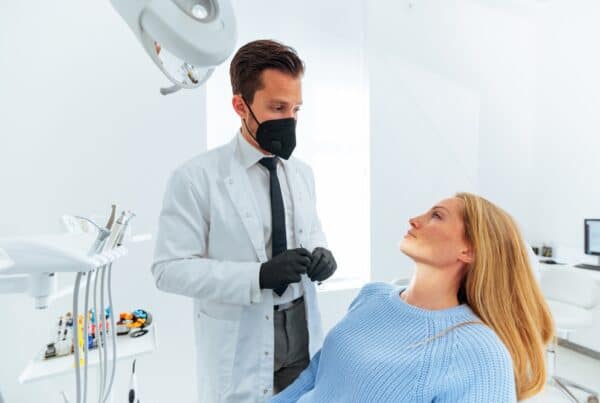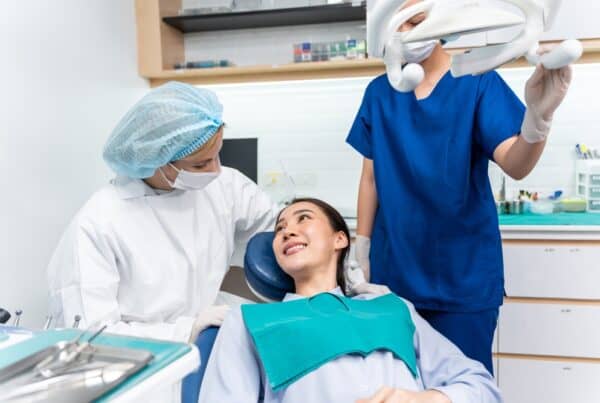
Keeping your teeth and gums healthy is not just about daily brushing and good habits at home. Regular dental visits play an essential role in maintaining long-term oral health and preventing problems before they develop. Routine exams are designed to be simple, supportive, and focused on your overall wellbeing. As part of our Dental Check-ups & Examinations approach, we aim to make every visit clear, comfortable, and helpful for patients of all ages.
What are routine dental exams
Routine dental exams are regular check-ups where your dentist assesses the health of your teeth, gums, and mouth. These visits are typically scheduled every six months for many patients, although the exact timing may vary depending on individual needs.
During these exams, your dentist looks for early signs of tooth decay, gum issues, enamel wear, and other changes. The goal is to maintain oral health through prevention, early detection, and clear guidance.
Why routine exams are important
Many dental problems develop gradually and without noticeable symptoms. Routine exams provide the opportunity to identify these issues early, often before they cause discomfort or require more involved treatment.
By attending regular check-ups, you are taking a proactive approach to your oral health. This helps protect your teeth and gums, reduces the risk of complications, and supports a consistent care routine that is easy to maintain over time.
Early detection of dental issues
One of the key benefits of routine dental exams is the ability to detect problems at an early stage.
Tooth decay
Small areas of decay can often be identified before they become larger cavities. Early treatment helps preserve the structure of the tooth and keeps procedures simple and comfortable.
Gum health concerns
Routine exams allow your dentist to monitor your gums for signs of inflammation or early gum disease. Addressing these issues early can help restore gum health and prevent progression.
Other oral changes
Changes in the soft tissues, bite, or enamel can also be identified during routine visits. Early detection ensures that any concerns are managed promptly.
Preventive care and maintenance
Routine exams are not only about identifying problems. They are also an opportunity to maintain healthy teeth and gums through preventive care.
Professional cleaning
During or alongside your exam, professional cleaning may be recommended to remove plaque and tartar build-up. This helps support gum health and keeps your teeth clean in areas that are difficult to reach at home.
Fluoride support
Fluoride treatments may be suggested to strengthen enamel and protect against decay, particularly for children or patients at higher risk.
Monitoring progress
Regular visits allow your dentist to track changes over time and ensure that your oral health remains stable.
Personalised advice and guidance
Every patient’s oral health is different, and routine exams provide an opportunity to receive guidance that is tailored to your needs.
Oral hygiene techniques
Your dentist can review your brushing and cleaning routine and suggest simple improvements that make a meaningful difference.
Diet and lifestyle
Advice on diet, hydration, and habits such as smoking can help support your oral health and reduce the risk of future problems.
Product recommendations
You may also receive guidance on choosing the right toothbrush, toothpaste, or cleaning tools for your specific needs.
Supporting children’s dental health
Routine dental exams are especially important for children as their teeth and jaws develop. Regular visits help monitor growth, identify early concerns, and guide parents on supporting their child’s oral health.
These visits also help children become familiar with the dental environment, making them feel more comfortable and confident over time. A positive experience early on can encourage lifelong healthy habits.
Maintaining existing dental work
If you have fillings, crowns, or other dental treatments, routine exams help ensure they remain in good condition.
Checking stability
Your dentist will assess whether existing dental work is secure and functioning properly.
Identifying wear
Over time, restorations may show signs of wear. Regular monitoring allows for timely maintenance or replacement if needed.
Reducing the need for complex treatment
One of the most practical benefits of routine dental exams is that they help reduce the likelihood of needing more complex treatment in the future.
By identifying and addressing issues early, treatment is often simpler, more comfortable, and easier to manage. This approach supports both your oral health and your overall wellbeing.
Building a positive dental routine
Routine exams help establish a consistent approach to dental care. When visits are regular and predictable, they become a normal part of your health routine rather than something to worry about.
This is especially important for families, as it encourages children to see dental care as a positive and supportive experience.
How often should you attend
While many patients benefit from visiting the dentist every six months, your dentist will recommend a schedule that suits your individual needs. Factors such as oral health, age, and risk level all play a role in determining the right frequency.
Following this guidance helps ensure that your care remains effective and appropriate for your situation.
Long-term benefits of routine exams
Over time, routine dental exams contribute to a healthier, more comfortable smile. They support prevention, early detection, and consistent care, all of which help maintain strong teeth and healthy gums.
Regular visits also provide reassurance, allowing you to feel confident that your oral health is being monitored and supported.
Conclusion
The importance of routine dental exams lies in their ability to prevent problems, detect issues early, and support long-term oral health. By attending regular check-ups and following your dentist’s guidance, you can maintain healthy teeth and gums with simple, consistent care. With a focus on comfort, clarity, and prevention, routine exams become a valuable and reassuring part of your overall wellbeing.