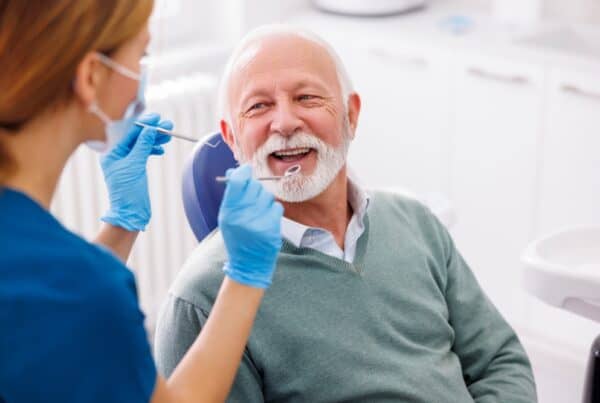
As we get older, our dental needs can change, and regular check-ups become an important way to maintain comfort, function, and overall oral health. Dental visits for seniors are designed to be calm, practical, and focused on supporting long-term wellbeing. As part of our Dental Check-ups & Examinations approach, we take the time to provide clear, gentle care that reflects each patient’s stage of life and individual needs.
Why dental check-ups are important for seniors
Oral health remains essential at every age. Regular dental check-ups help monitor changes that may occur over time, allowing concerns to be addressed early and managed in a comfortable way. Many dental issues in older adults develop gradually, so consistent visits provide reassurance and help maintain stability.
Check-ups also support overall health. Conditions affecting the mouth, such as gum disease or infection, can impact general wellbeing. Keeping your teeth and gums healthy helps support nutrition, speech, and confidence in daily life.
Common oral health changes with age
As people age, natural changes can affect the teeth, gums, and mouth. Understanding these changes helps explain why regular dental care is important.
Gum recession
Gums may gradually recede over time, exposing more of the tooth surface. This can lead to sensitivity and increased risk of decay along the roots of the teeth.
Tooth wear
Years of chewing, grinding, or brushing can lead to gradual wear of the enamel. This may make teeth more sensitive or change how they function.
Dry mouth
Reduced saliva flow is common, often due to medications or health conditions. Saliva plays an important role in protecting teeth, so dryness can increase the risk of decay and discomfort.
Changes in existing dental work
Fillings, crowns, and other dental treatments may require monitoring over time. Regular check-ups help ensure they remain secure and effective.
What happens during a senior dental check-up
Dental check-ups for seniors follow a familiar process, with additional attention to areas that may require closer monitoring. The focus is on comfort, clarity, and practical care.
Review of medical history
Your dentist will begin by reviewing your medical history, including any conditions and medications. This is important, as general health and medications can influence oral health and treatment planning.
Examination of teeth
Each tooth is carefully assessed for decay, wear, cracks, and the condition of any existing dental work. Special attention may be given to the root surfaces of the teeth, which can become more exposed over time.
Gum health assessment
The gums are examined for signs of inflammation, recession, and overall support for the teeth. Maintaining healthy gums is essential for keeping teeth stable and comfortable.
Soft tissue check
The dentist will also check the tongue, cheeks, and other soft tissues to ensure everything is healthy and functioning well.
Bite and jaw evaluation
Your bite and jaw movement may be assessed, particularly if there are signs of grinding, clenching, or discomfort.
Managing dry mouth
Dry mouth is a common concern for many seniors and can affect comfort as well as oral health. During your check-up, your dentist may discuss ways to manage dryness and support saliva flow.
This may include practical advice such as staying well hydrated, using suitable oral care products, and adjusting habits that may contribute to dryness. Addressing this early helps reduce the risk of decay and keeps the mouth more comfortable.
Maintaining existing dental work
Many seniors have dental restorations such as fillings, crowns, bridges, or dentures. Regular check-ups ensure that these remain in good condition and continue to function properly.
If any adjustments or maintenance are needed, they can often be carried out before more noticeable issues develop. This helps preserve comfort and function over time.
Preventive care for long-term health
Preventive care remains a key part of dental visits for seniors. Regular check-ups support simple steps that help maintain oral health.
Professional cleaning
Professional cleaning helps remove plaque and tartar build-up, supporting gum health and reducing the risk of decay.
Fluoride support
Fluoride treatments may be recommended to strengthen enamel and protect exposed root surfaces.
Monitoring changes
Regular visits allow your dentist to track changes over time and provide guidance that supports ongoing care.
Supporting comfort and function
Maintaining comfort and function is especially important for seniors. Healthy teeth and gums support everyday activities such as eating and speaking.
During your check-up, your dentist may discuss any concerns related to chewing, sensitivity, or comfort. Addressing these early helps ensure that your oral health continues to support your quality of life.
Dental care for denture wearers
For patients who wear dentures, regular dental visits remain important. The dentist will check the fit and condition of the dentures, as well as the health of the underlying tissues.
Adjustments may be recommended to improve comfort and function, and guidance will be provided on how to care for dentures at home.
Encouraging consistent routines
Daily oral care remains essential at every age. Brushing, cleaning between teeth, and maintaining a balanced diet all support oral health.
For seniors, adapting routines to suit comfort and ease can be helpful. Your dentist can provide practical advice on tools and techniques that make daily care more manageable.
How often seniors should visit the dentist
Many seniors benefit from visiting the dentist every six months, although this may vary depending on individual needs. Patients with specific concerns, such as gum issues or dry mouth, may benefit from more frequent visits.
Your dentist will recommend a schedule that supports your oral health and ensures that any changes are monitored appropriately.
Conclusion
Dental check-ups for seniors provide a supportive and practical way to maintain oral health, comfort, and function over time. By monitoring changes, maintaining existing dental work, and offering clear guidance, these visits help prevent problems and support long-term wellbeing. With regular care and simple daily habits, maintaining a healthy smile can remain a comfortable and reassuring part of life at every age.