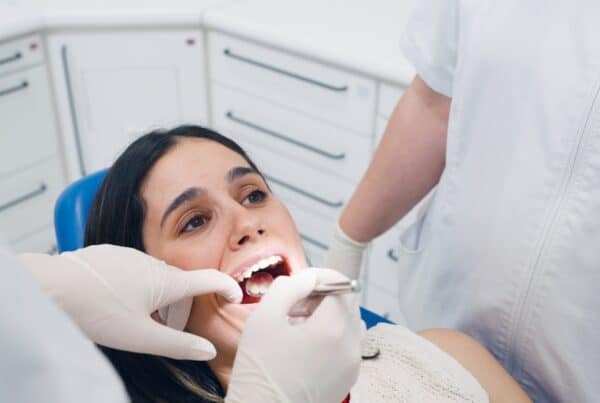
Protecting teeth from cavities can be simple and effective with the right preventive care, and dental sealants are one of the tools we use as part of Preventive Dentistry. At City Smile Dental Center, we focus on practical solutions that help families maintain healthy smiles with confidence. Dental sealants provide an added layer of protection for teeth that are more vulnerable to decay, especially in children and teenagers.
What Are Dental Sealants?
Dental sealants are a thin, protective coating applied to the chewing surfaces of the back teeth, known as molars and premolars. These teeth have natural grooves and pits where food and bacteria can collect, making them more difficult to clean with brushing alone.
The sealant forms a smooth surface over these areas, helping to keep them clean and reducing the chance of cavities developing. It is a simple, comfortable treatment that supports long-term oral health.
Why Back Teeth Need Extra Protection
Deep Grooves and Pits
The back teeth are designed for chewing and often have deeper grooves than other teeth. While these grooves are natural, they can trap food and plaque, making them harder to clean thoroughly.
Even with careful brushing, it can be challenging to reach every small area, which is why additional protection can be helpful.
Higher Risk of Cavities
Because of their shape and location, molars are more likely to develop cavities compared to front teeth. Sealants help reduce this risk by covering vulnerable areas and creating a barrier against bacteria.
This makes them especially useful for children, whose newly erupted teeth may be more sensitive to decay.
How Dental Sealants Work
Creating a Protective Barrier
Once applied, the sealant bonds to the surface of the tooth and fills in the grooves. This creates a smooth layer that prevents food particles and plaque from settling into hard-to-reach areas.
The result is a tooth surface that is easier to keep clean through daily brushing.
Supporting Daily Oral Hygiene
Sealants do not replace brushing or flossing, but they make these habits more effective. By reducing areas where plaque can build up, they support a cleaner, healthier mouth.
This added protection works alongside regular oral care to maintain strong teeth.
The Sealant Application Process
Step 1: Cleaning the Tooth
The tooth is first cleaned thoroughly to remove any plaque or debris. This ensures that the sealant can bond properly to the surface.
This step is gentle and similar to a routine cleaning process.
Step 2: Preparing the Surface
A special solution is applied to the tooth to slightly roughen the surface. This helps the sealant adhere securely.
The solution is then rinsed away, and the tooth is dried carefully.
Step 3: Applying the Sealant
The sealant material is painted onto the tooth surface, flowing into the grooves and pits. It is then hardened using a special light, forming a strong protective layer.
The process is quick, comfortable, and does not require drilling or injections.
Who Can Benefit from Dental Sealants?
Children and Teenagers
Sealants are most commonly recommended for children and teenagers as their permanent molars come through. Applying sealants early helps protect these teeth during the years when they are most vulnerable to cavities.
This can be an important step in supporting long-term oral health from a young age.
Adults
Adults can also benefit from sealants, especially if they have deep grooves in their teeth or a higher risk of decay. In some cases, sealants can be applied to healthy teeth that do not already have fillings or damage.
A dental visit can help determine whether sealants are suitable based on individual needs.
How Long Do Sealants Last?
Dental sealants are designed to be durable and can last for several years with proper care. During regular dental check-ups, the dentist will examine the sealants to ensure they remain intact and effective.
If needed, sealants can be repaired or reapplied to maintain protection.
Are Dental Sealants Safe?
Sealants are considered a safe and effective preventive treatment. They have been used for many years to help protect teeth from decay and are applied in a controlled and comfortable way.
The materials used are designed specifically for dental care, supporting both safety and effectiveness.
Benefits of Dental Sealants
Reducing the Risk of Cavities
Sealants provide a physical barrier that helps prevent bacteria and food particles from settling in the grooves of the teeth. This reduces the likelihood of cavities forming in these areas.
This can be especially helpful during the early years when maintaining oral hygiene may still be developing.
Supporting Easy Maintenance
With a smoother tooth surface, brushing becomes more effective and easier to manage. This supports daily oral hygiene and helps maintain a clean mouth.
Sealants work alongside regular brushing and flossing to provide complete care.
Comfortable and Quick Treatment
The application process is simple and comfortable, making it suitable for children and adults alike. There is no need for drilling or injections, which helps create a positive dental experience.
This ease of treatment encourages patients to take advantage of preventive care options.
Sealants as Part of a Preventive Approach
Working with Other Preventive Measures
Dental sealants are most effective when combined with other preventive practices such as brushing, flossing, and regular dental visits. Together, these steps create a strong foundation for oral health.
This balanced approach helps reduce the risk of dental issues and supports long-term wellbeing.
Regular Monitoring
During routine dental check-ups, sealants are checked to ensure they remain in good condition. This ongoing care helps maintain their effectiveness and provides reassurance that teeth are well protected.
Any adjustments can be made easily if needed.
Helping Children Feel Comfortable
For children, dental sealants can be a positive introduction to preventive treatments. The process is quick and gentle, helping them feel relaxed during their visit.
Creating a calm and supportive experience encourages children to feel confident about dental care and builds trust over time.
Conclusion
Dental sealants are a simple and effective way to protect teeth from cavities, particularly in areas that are harder to clean. By creating a protective barrier on the chewing surfaces of back teeth, they support daily oral hygiene and reduce the risk of decay. At City Smile Dental Center, we provide gentle, family-friendly care that helps patients of all ages maintain healthy smiles with confidence and ease.