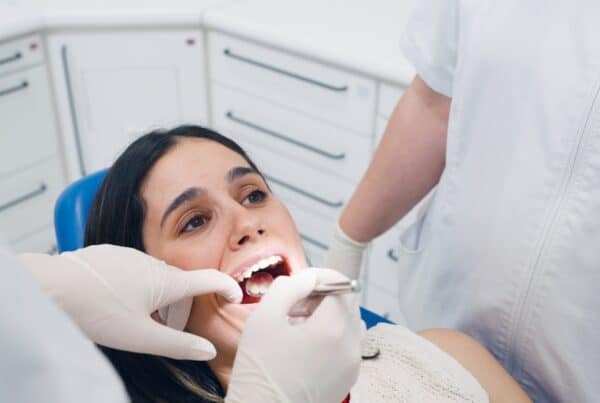
The foods and drinks you choose each day have a direct impact on your teeth and gums, shaping your oral health over time. As part of Preventive Dentistry, understanding the connection between diet and oral health can help you make simple, practical choices that protect your smile. At City Smile Dental Center, we guide families with clear, supportive advice so that everyday habits can contribute to long-term dental comfort and wellbeing.
How Diet Affects Oral Health
Every time you eat or drink, your mouth responds. Bacteria naturally present in the mouth interact with sugars and carbohydrates, producing acids that can affect tooth enamel. Over time, repeated exposure to these acids may lead to tooth decay if not balanced by good oral hygiene and healthy habits.
At the same time, certain foods provide nutrients that help strengthen teeth and support gum health. A balanced diet plays a key role in maintaining a healthy oral environment.
The Role of Sugar in Tooth Decay
How Sugar Feeds Bacteria
Sugary foods and drinks provide a source of energy for bacteria in the mouth. When these bacteria break down sugar, they produce acids that can weaken enamel and increase the risk of cavities.
It is not only the amount of sugar that matters but also how often it is consumed. Frequent snacking can expose teeth to repeated acid attacks throughout the day.
Hidden Sources of Sugar
Sugar is not always obvious. It can be found in drinks, packaged foods, and even items that may not taste particularly sweet. Being aware of these hidden sources can help reduce overall exposure.
Making small adjustments, such as choosing water instead of sugary drinks, can support healthier teeth.
Acidic Foods and Enamel Protection
Understanding Acid Exposure
Acidic foods and drinks, including certain fruits and beverages, can soften enamel over time. While these foods can be part of a balanced diet, frequent exposure may affect tooth strength.
Allowing time between meals and rinsing with water can help reduce the impact of acidity.
Protecting Your Teeth
Waiting before brushing after consuming acidic foods gives enamel time to recover. Gentle care and a balanced routine help maintain the natural strength of teeth.
Being mindful of how and when you consume acidic items can make a difference over time.
Tooth-Friendly Foods That Support Oral Health
Fruits and Vegetables
Fresh fruits and vegetables provide important nutrients and can help stimulate saliva production. Crunchy options such as carrots and apples may also help clean the surface of teeth during eating.
Including a variety of fruits and vegetables supports both oral and overall health.
Dairy Products
Milk, cheese, and yoghurt contain calcium and other nutrients that help support strong teeth. These foods can also help neutralise acids in the mouth, contributing to a balanced environment.
Incorporating dairy into your diet can provide additional support for enamel health.
Whole Grains and Balanced Meals
Whole grains and balanced meals provide steady energy and support general health. Eating regular meals rather than frequent snacks can reduce the number of times teeth are exposed to acids.
A structured approach to eating helps maintain a more stable oral environment.
The Importance of Hydration
Drinking water throughout the day supports saliva production and helps rinse away food particles. Saliva plays a natural role in protecting teeth by neutralising acids and supporting the repair of early enamel changes.
Choosing water as your main drink is one of the simplest ways to support oral health.
Snacking Habits and Oral Health
Frequency Matters
Frequent snacking can keep the mouth in a constant state of acid exposure. Reducing the number of snacks between meals allows the mouth time to recover.
Spacing out meals and snacks can help protect enamel and reduce the risk of decay.
Choosing Better Snack Options
When snacks are needed, choosing options such as fresh fruit, vegetables, or dairy products can be more supportive of oral health. These foods are less likely to contribute to plaque buildup compared to sugary or sticky snacks.
Simple changes in snack choices can have a positive impact over time.
Diet and Gum Health
Nutrients for Healthy Gums
Gums benefit from a diet rich in vitamins and minerals. Nutrients such as vitamin C support healthy gum tissue and help maintain resilience.
A balanced diet contributes to stronger gums and supports overall oral comfort.
Avoiding Irritants
Highly processed or sugary foods may contribute to plaque buildup, which can affect gum health. Reducing these foods supports a cleaner, healthier mouth.
Maintaining balance in your diet helps protect both teeth and gums.
Supporting Children’s Oral Health Through Diet
Children’s dietary habits play an important role in their developing oral health. Encouraging balanced meals and limiting sugary snacks helps protect their teeth as they grow.
Parents can support healthy choices by offering water as the main drink and keeping snack options simple and nutritious. These habits help children build a positive foundation for long-term dental health.
Combining Diet with Daily Oral Care
While diet plays a key role, it works best when combined with regular brushing, flossing, and dental visits. These habits help remove plaque and maintain a clean mouth, supporting the benefits of a healthy diet.
Consistent care helps ensure that teeth and gums remain strong and comfortable over time.
Creating a Balanced Approach
Oral health does not require strict or complicated rules. A balanced approach that includes mindful eating, good hydration, and consistent oral hygiene can make a meaningful difference.
Small, practical changes in daily habits can support long-term dental health without disrupting your routine.
Conclusion
The connection between diet and oral health is clear, with everyday food and drink choices playing a key role in protecting teeth and gums. By limiting sugar, choosing balanced meals, and staying hydrated, patients can support a healthy oral environment and reduce the risk of dental concerns. At City Smile Dental Center, we provide family-friendly guidance to help you make simple, confident choices that support your smile for years to come.