Persistent bad breath can be uncomfortable and sometimes difficult to manage with home care alone, which is why understanding the role of Professional Teeth Cleaning can be so helpful. While brushing and flossing are essential daily habits, they may not fully remove the bacteria and buildup that contribute to ongoing bad breath. Professional cleaning provides a deeper level of care, helping to address the root causes and restore a fresh, healthy feeling in the mouth.
What Causes Bad Breath
Bad breath, also known as halitosis, is often linked to bacteria in the mouth. These bacteria break down food particles and release compounds that can create an unpleasant odor. While occasional bad breath can happen to anyone, persistent issues may indicate that there is buildup or imbalance that needs attention.
Plaque and Tartar Build-Up
Plaque is a soft layer of bacteria that forms on the teeth throughout the day. If not removed, it can harden into tartar, which traps more bacteria and contributes to odor. These deposits are a common cause of ongoing bad breath.
Food Particles and Debris
Small food particles can become trapped between teeth or along the gum line. When these particles break down, they can create unpleasant smells if not properly cleaned.
Gum Health Concerns
Inflamed or irritated gums can create an environment where bacteria thrive. This can lead to both discomfort and noticeable bad breath.
Dry Mouth
Saliva helps naturally clean the mouth by washing away bacteria. When the mouth is dry, bacteria can build up more easily, contributing to bad breath.
How Professional Cleaning Helps Reduce Bad Breath
Professional teeth cleaning is one of the most effective ways to manage bad breath caused by oral factors. By thoroughly removing plaque, tartar, and bacteria, it addresses the underlying causes rather than just masking the symptoms.
Removing Bacteria at the Source
Cleaning removes the bacteria responsible for producing odor. This includes bacteria found along the gum line and in areas that are difficult to reach with regular brushing.
Eliminating Tartar Deposits
Tartar creates a rough surface that allows bacteria to collect and grow. Professional cleaning smooths the tooth surface, making it less likely for bacteria to accumulate.
Improving Gum Health
By reducing inflammation and removing irritants, cleaning helps restore healthier gums. This contributes to a cleaner environment in the mouth and fresher breath.
What to Expect During Cleaning for Bad Breath
If bad breath is a concern, your dental professional will take a careful and supportive approach during your cleaning appointment. The process remains gentle and is adjusted to your needs.
Assessment of Oral Health
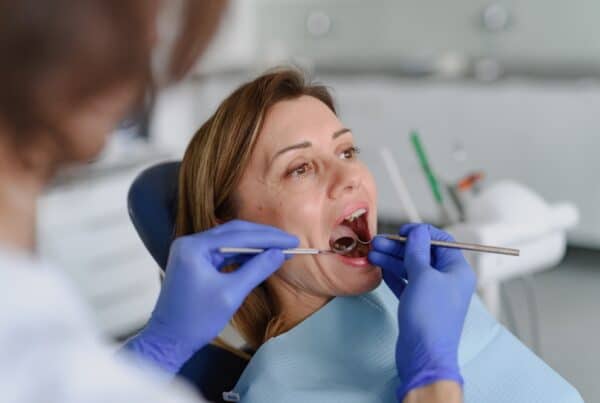
The dental team will begin by examining your teeth and gums to identify areas where buildup or irritation may be contributing to bad breath.
Thorough Cleaning
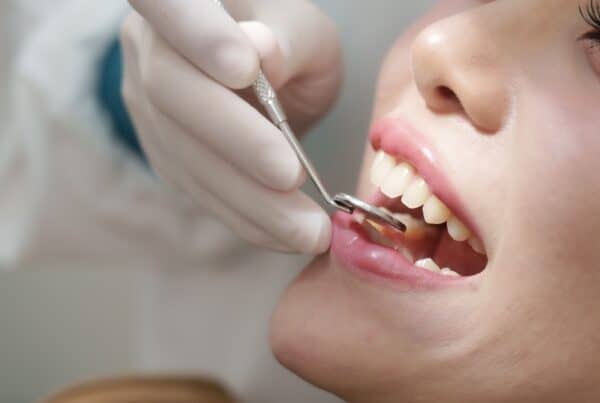
Scaling removes plaque and tartar, particularly in areas where bacteria are likely to collect. Polishing follows to smooth the teeth and remove surface stains.
Guidance for Home Care
You will also receive simple and practical advice on how to maintain fresh breath at home, including brushing techniques and daily habits.
Additional Benefits Beyond Fresh Breath
While reducing bad breath is an important benefit, professional cleaning also supports overall oral health in several ways.
Prevention of Gum Concerns
Regular cleaning helps prevent gum irritation and supports healthier tissue, reducing the likelihood of ongoing issues.
Protection Against Tooth Decay
By removing bacteria and buildup, cleaning helps protect the teeth from cavities and other concerns.
Improved Comfort and Confidence
A clean and fresh mouth can improve everyday comfort and boost confidence in social interactions.
Maintaining Fresh Breath Between Visits
Professional cleaning is most effective when combined with a consistent home care routine. Simple daily habits can help maintain fresh breath between appointments.
Brushing and Flossing
Brushing twice a day and flossing daily help remove food particles and bacteria that contribute to odor.
Cleaning the Tongue
Bacteria can also accumulate on the tongue. Gently cleaning the tongue as part of your routine can help reduce bad breath.
Staying Hydrated
Drinking water throughout the day helps keep the mouth moist and supports natural cleaning processes.
Regular Dental Visits
Attending scheduled cleanings ensures that buildup is removed before it leads to persistent bad breath.
When to Seek Professional Advice
If bad breath continues despite good oral hygiene, it is important to consult your dental professional. They can identify the cause and recommend the most appropriate care.
In some cases, bad breath may be linked to factors beyond oral health, and your dental team can guide you on the next steps if needed.
Creating a Comfortable Experience
At City Smile Dental Center, we understand that concerns about bad breath can feel sensitive. Our approach is always calm, respectful, and supportive. We take the time to listen, explain, and provide care in a way that feels comfortable and reassuring.
Our goal is to help every patient feel confident and supported, with clear guidance and gentle treatment at every visit.
Conclusion
Bad breath is often linked to bacteria and buildup in the mouth, and professional teeth cleaning plays a key role in addressing these underlying causes. By removing plaque and tartar and supporting gum health, cleaning helps restore a fresh and comfortable feeling. Combined with simple daily habits, it offers a reliable way to maintain long-term oral health. At City Smile Dental Center, we focus on gentle, family-friendly care that helps you feel confident in your smile and your everyday routine.