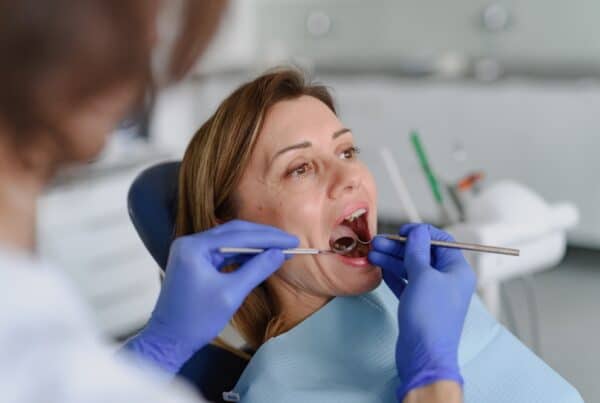
Knowing how often to visit the dentist for Professional Teeth Cleaning is an important part of maintaining a healthy smile. While daily brushing and flossing form the foundation of good oral hygiene, regular dental cleanings provide the extra level of care needed to keep teeth and gums in the best possible condition. For families and individuals alike, understanding the right schedule helps make dental care simple, consistent, and reassuring.
General Recommendation for Teeth Cleaning
For most patients, visiting the dentist every six months for a professional cleaning is a reliable and effective routine. This schedule allows dental professionals to remove plaque and tartar before they build up and cause problems. It also ensures that any early signs of dental concerns are identified and managed promptly.
Regular six-month visits are suitable for many people, especially those with generally healthy teeth and gums. This consistent approach supports prevention and helps maintain a clean, comfortable smile throughout the year.
Why Regular Cleaning Intervals Matter
Plaque forms on the teeth daily, and even with careful brushing, some areas are difficult to reach. Over time, plaque can harden into tartar, which requires professional removal. By attending regular cleaning appointments, patients can prevent this buildup from affecting their oral health.
Maintaining a consistent schedule also helps create a routine that feels manageable and stress-free. Rather than waiting for discomfort or visible issues, regular visits keep dental care proactive and reassuring.
When More Frequent Cleaning May Be Needed
While six-month intervals work well for many patients, some individuals may benefit from more frequent cleanings. This depends on personal oral health needs and risk factors.
Gum Health Concerns
Patients with signs of gum irritation, such as bleeding or swelling, may be advised to have cleanings every three to four months. More frequent care helps manage bacteria levels and supports healthier gums.
Higher Plaque Build-Up
Some people naturally develop plaque and tartar more quickly. In these cases, shorter intervals between cleanings can help maintain a cleaner and healthier mouth.
Orthodontic Treatment
Patients wearing braces or other orthodontic appliances may find it harder to clean certain areas effectively. More frequent professional cleaning helps ensure that these areas remain free from buildup.
Lifestyle Factors
Habits such as smoking or frequent consumption of staining foods and drinks can contribute to faster buildup and discoloration. Regular cleanings can help manage these effects and maintain oral health.
When Less Frequent Cleaning May Be Suitable
In some cases, patients with excellent oral hygiene and very low risk of dental issues may be advised to extend the time between cleanings slightly. However, this decision is always made carefully by a dental professional and is based on a thorough assessment of oral health.
Even when visits are spaced further apart, it remains important to maintain regular check-ups and consistent home care to ensure that any changes are detected early.
How Age Influences Cleaning Frequency
Children
Children generally benefit from six-month cleaning visits, which help establish healthy habits and keep their developing teeth in good condition. Regular visits also create a positive and familiar dental experience.
Teenagers
Teenagers may require more attention if they have braces or changes in oral hygiene habits. Maintaining regular cleanings helps manage these changes effectively.
Adults
For most adults, a six-month schedule remains appropriate. However, adjustments may be made depending on gum health, lifestyle, and overall oral condition.
Older Adults
As oral health needs evolve over time, older adults may benefit from more personalised cleaning schedules. Regular care supports comfort, function, and ongoing dental health.
Signs You May Need a Cleaning Sooner
Even with a planned schedule, there are times when an earlier visit may be helpful. Paying attention to these signs can ensure that your oral health stays on track.
Bleeding Gums
Gums that bleed during brushing or flossing may indicate the presence of plaque or early gum irritation. A professional cleaning can help address this gently and effectively.
Persistent Bad Breath
Ongoing bad breath may be linked to bacteria buildup. Cleaning can help remove the source and refresh the mouth.
Visible Tartar Build-Up
If you notice hardened deposits along the gum line, it may be time for a cleaning. Tartar cannot be removed at home and requires professional care.
Tooth Sensitivity or Discomfort
Changes in how your teeth feel may indicate underlying buildup or irritation. A dental visit can help identify and resolve the cause.
The Role of Home Care Between Visits
While professional cleanings are essential, daily care at home plays an equally important role. Brushing twice a day, flossing regularly, and using recommended dental products help maintain the results of each cleaning.
Good home care also allows dental visits to remain simple and comfortable, reducing the need for additional treatments.
Creating a Routine That Works for You
Finding the right cleaning schedule is about understanding your individual needs and working with your dental team to create a plan that feels practical and supportive. For many families, scheduling appointments at the same time each year helps make dental care a consistent and manageable part of life.
Your dental team will guide you based on your oral health, ensuring that your visits are timed to provide the best possible care and prevention.
Conclusion
Regular teeth cleaning is a key part of maintaining healthy teeth and gums, with most patients benefiting from visits every six months. However, the ideal frequency can vary depending on individual needs, lifestyle, and oral health conditions. By staying consistent with appointments and maintaining good habits at home, you can enjoy a clean, comfortable smile and long-term dental wellbeing. At City Smile Dental Center, we focus on providing clear guidance and gentle care, helping every patient feel confident in their dental routine.