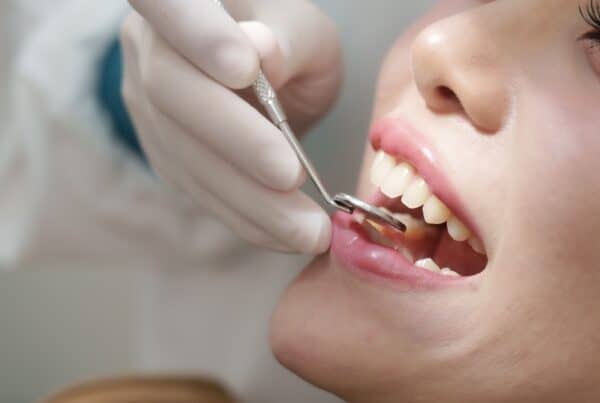
Understanding the difference between deep cleaning and routine care is an important part of maintaining a healthy smile, especially when considering how Professional Teeth Cleaning fits into your overall dental routine. While both types of cleaning are designed to support oral health, they serve different purposes and are recommended based on your individual needs. Knowing when each is appropriate can help you feel more confident and comfortable about your dental care.
What Is Regular Teeth Cleaning
Regular teeth cleaning is a preventive dental treatment that most patients receive as part of their routine check-ups. It focuses on removing plaque, tartar, and surface stains from the visible areas of the teeth and around the gum line.
This type of cleaning is suitable for patients with generally healthy teeth and gums. It helps maintain oral hygiene, prevent buildup, and keep the mouth feeling clean and refreshed.
What Happens During Regular Cleaning
During a regular cleaning appointment, the dental professional gently removes plaque and tartar using scaling tools. This is followed by polishing to smooth the teeth and remove surface stains. The process is typically comfortable and straightforward, making it an easy part of ongoing dental care.
Purpose of Regular Cleaning
The main goal of regular cleaning is prevention. By removing buildup before it causes problems, it helps protect the teeth and gums and supports long-term oral health.
What Is Deep Cleaning
Deep cleaning, also known as scaling and root planing, is a more focused treatment recommended when there are signs of gum concerns. It goes beyond the surface to clean below the gum line and address areas where bacteria may have accumulated.
This type of cleaning is usually suggested when there is evidence of gum irritation, such as bleeding, swelling, or deeper pockets between the teeth and gums.
What Happens During Deep Cleaning
Deep cleaning involves two main steps. First, scaling removes plaque and tartar from both above and below the gum line. Then, root planing smooths the root surfaces of the teeth, helping the gums reattach more effectively and reducing areas where bacteria can collect.
The process may be carried out over one or more visits, depending on the level of care required. The dental team ensures that the treatment is performed gently and with attention to patient comfort.
Purpose of Deep Cleaning
The goal of deep cleaning is to manage and improve gum health. By removing bacteria from below the gum line, it helps reduce inflammation and supports healing of the gum tissue.
Key Differences Between Deep Cleaning and Regular Cleaning
While both treatments focus on cleaning the teeth, there are clear differences in their purpose, scope, and when they are recommended.
Level of Cleaning
Regular cleaning focuses on the visible surfaces of the teeth and the gum line. Deep cleaning extends below the gum line to reach areas that are not accessible during routine care.
When It Is Needed
Regular cleaning is part of routine preventive care for maintaining oral health. Deep cleaning is recommended when there are signs of gum concerns that require more detailed attention.
Complexity of the Procedure
Regular cleaning is quick and straightforward. Deep cleaning is more detailed and may take longer or require multiple visits to complete.
Focus on Gum Health
While both types of cleaning support gum health, deep cleaning is specifically designed to address existing gum issues and promote healing.
Signs You May Need Deep Cleaning
Your dental professional will recommend deep cleaning if they notice certain signs during an examination. These signs indicate that bacteria may be affecting the gums more deeply.
Bleeding or Swollen Gums
Gums that bleed easily or appear swollen may need more focused care to remove buildup below the surface.
Persistent Bad Breath
Ongoing bad breath can be linked to bacteria trapped below the gum line, which may require deep cleaning to address.
Gum Pockets
When the space between the teeth and gums becomes deeper, it creates areas where bacteria can collect. Deep cleaning helps clean these areas effectively.
What to Expect in Terms of Comfort
Both regular and deep cleaning are carried out with patient comfort in mind. Regular cleaning is usually quick and comfortable, while deep cleaning may involve additional care to ensure a gentle experience.
Some patients may experience mild sensitivity after deep cleaning, particularly if the gums have been inflamed. This is temporary and typically improves as the gums begin to heal.
Benefits of Each Type of Cleaning
Benefits of Regular Cleaning
Regular cleaning helps maintain a clean and healthy mouth, prevents buildup, and supports a fresh, comfortable feeling. It also allows for early detection of any changes in oral health.
Benefits of Deep Cleaning
Deep cleaning helps manage gum concerns, reduces bacteria below the gum line, and supports the healing of gum tissue. It is an important step in restoring gum health and preventing further complications.
Maintaining Results After Cleaning
Whether you have had a regular or deep cleaning, maintaining results at home is essential. Brushing twice a day, flossing regularly, and following your dental team’s advice help keep your teeth and gums in good condition.
Regular follow-up visits also ensure that your oral health remains on track and that any concerns are addressed early.
Conclusion
Both deep cleaning and regular cleaning play important roles in maintaining oral health, each serving a different purpose based on your needs. Regular cleaning supports prevention and ongoing care, while deep cleaning provides focused treatment when gum health requires additional attention. At City Smile Dental Center, we take a gentle and supportive approach, guiding you through each step and helping you feel confident in the care you receive for a healthy, lasting smile.