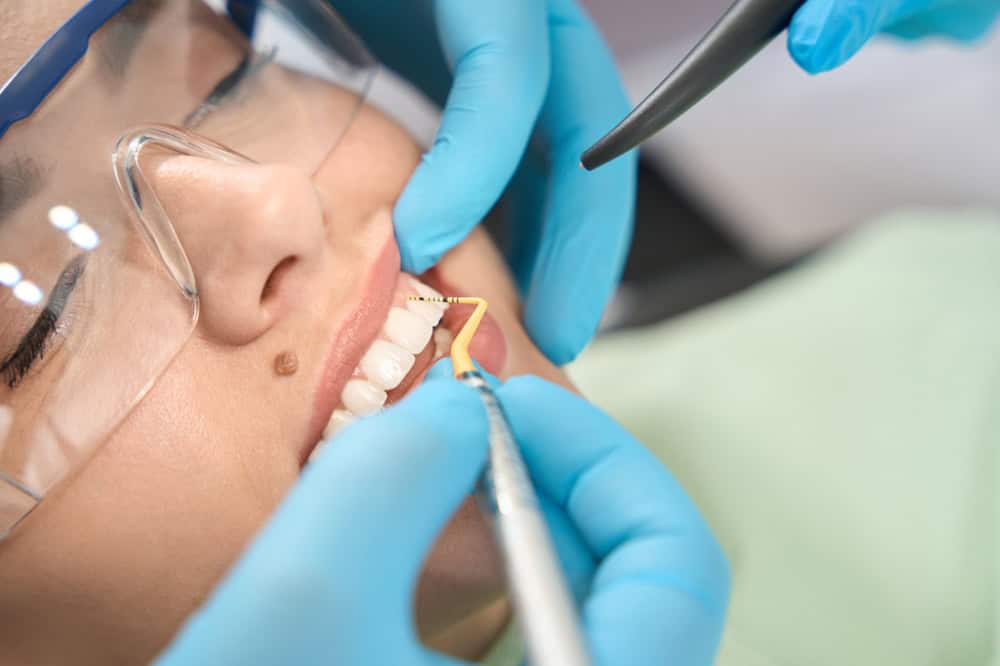
Understanding the difference between plaque and tartar is an important step in caring for your smile, especially when considering the role of Professional Teeth Cleaning in maintaining healthy teeth and gums. While both are common forms of buildup in the mouth, they are not the same, and each requires a different approach when it comes to removal. Knowing how they form and how they are treated can help you feel more confident in your daily routine and your dental visits.
What Is Plaque
Plaque is a soft, sticky film of bacteria that forms naturally on the teeth throughout the day. It develops when food particles and sugars interact with bacteria in the mouth. Because plaque is constantly forming, it needs to be removed regularly to prevent it from causing harm.
Plaque is usually colorless or pale, which can make it difficult to see. However, it tends to build up along the gum line and between teeth, especially in areas that are harder to reach with a toothbrush.
Why Plaque Matters
If plaque is not removed effectively, it can lead to tooth decay and gum irritation. The bacteria in plaque produce acids that weaken tooth enamel, increasing the risk of cavities. At the same time, plaque along the gum line can cause inflammation, leading to redness and bleeding.
What Is Tartar
Tartar, also known as calculus, is what forms when plaque is not removed and hardens over time. Once plaque becomes tartar, it attaches firmly to the teeth and cannot be removed with regular brushing or flossing.
Tartar is often yellow or brown in color and is commonly found near the gum line or between teeth. It creates a rough surface that allows more plaque to accumulate, making it easier for oral health issues to develop if not addressed.
Why Tartar Needs Professional Care
Unlike plaque, tartar cannot be removed at home. It requires specialized dental tools and professional care to safely and effectively clean the teeth. Leaving tartar untreated can lead to more serious gum concerns and affect the overall health of the mouth.
Plaque vs Tartar: Key Differences
While plaque and tartar are closely related, there are important differences between the two that affect how they are managed.
Texture and Appearance
Plaque is soft and sticky, while tartar is hard and firmly attached to the tooth surface. Plaque is usually not visible, whereas tartar can often be seen as a darker deposit on the teeth.
How They Form
Plaque forms continuously as part of the natural environment in the mouth. Tartar forms when plaque is left on the teeth for an extended period and begins to harden.
Removal Methods
Plaque can be removed through daily brushing and flossing. Tartar, on the other hand, requires professional removal during a dental cleaning.
How Plaque Is Removed
Removing plaque is part of your everyday oral hygiene routine. With consistent care, it can be managed effectively at home.
Brushing
Brushing twice a day with a fluoride toothpaste helps remove plaque from the surfaces of the teeth. Using a soft-bristled toothbrush and proper technique ensures that all areas are cleaned gently and thoroughly.
Flossing
Flossing once a day helps remove plaque from between the teeth and along the gum line, where a toothbrush may not reach.
Regular Dental Visits
Even with good home care, professional cleanings are important to ensure that any missed areas are addressed and to prevent plaque from hardening into tartar.
How Tartar Is Removed
Tartar removal is carried out by dental professionals using specialized tools in a process known as scaling. This is a safe and effective way to clean the teeth without causing damage.
Scaling Process
During scaling, dental instruments are used to gently remove hardened deposits from the teeth, particularly around the gum line. The process is careful and precise, ensuring that the teeth are cleaned thoroughly while maintaining comfort.
Polishing After Removal
After tartar is removed, the teeth are usually polished to smooth the surface. This makes it more difficult for plaque to build up again and leaves the teeth feeling clean and refreshed.
Why Removing Both Is Important
Managing both plaque and tartar is essential for maintaining healthy teeth and gums. Each plays a role in the development of common dental issues if left untreated.
Protecting Gum Health
Removing plaque and tartar helps prevent irritation and inflammation of the gums. This supports healthy tissue and reduces the risk of gum disease.
Preventing Tooth Decay
By controlling plaque, the risk of cavities is reduced. Regular removal of tartar also prevents bacteria from accumulating in hard-to-reach areas.
Maintaining a Clean Smile
Keeping teeth free from buildup helps maintain a cleaner, brighter appearance and contributes to overall confidence.
How to Prevent Plaque and Tartar Build-Up
Preventing buildup is always easier than treating it. A consistent oral hygiene routine and regular dental care can make a significant difference.
Daily Oral Care
Brushing twice a day and flossing daily are essential habits for controlling plaque. Using recommended dental products can further support this routine.
Healthy Eating Habits
Limiting sugary foods and drinks helps reduce the amount of bacteria in the mouth. Drinking water throughout the day also helps rinse away food particles.
Routine Dental Check-Ups
Regular visits to the dentist ensure that tartar is removed before it leads to more serious concerns. These visits also provide an opportunity for personalised advice on maintaining oral health.
Conclusion
Understanding the difference between plaque and tartar makes it easier to take care of your oral health with confidence. While plaque can be managed with daily brushing and flossing, tartar requires professional care to remove safely. By combining good habits at home with regular dental visits, you can keep your teeth and gums healthy and comfortable. At City Smile Dental Center, we focus on clear, gentle care that helps every patient feel supported in maintaining a healthy, lasting smile.