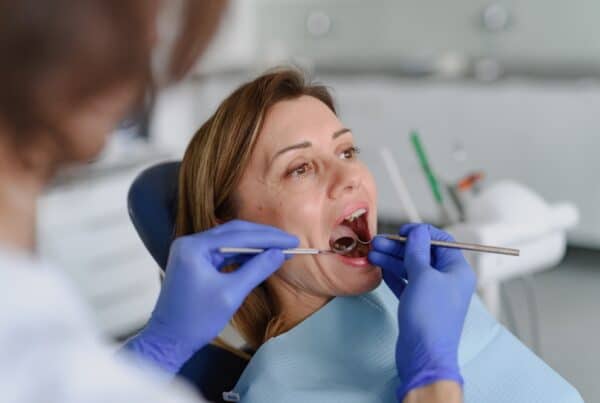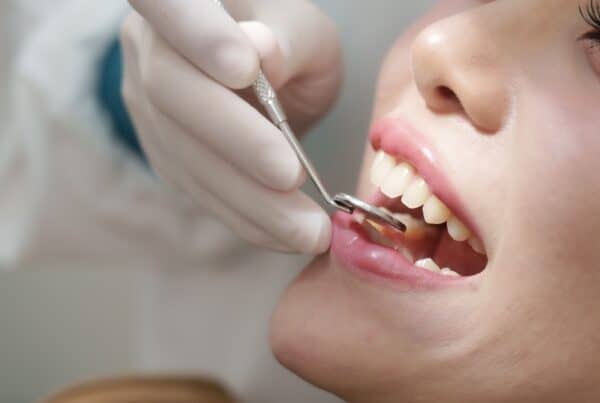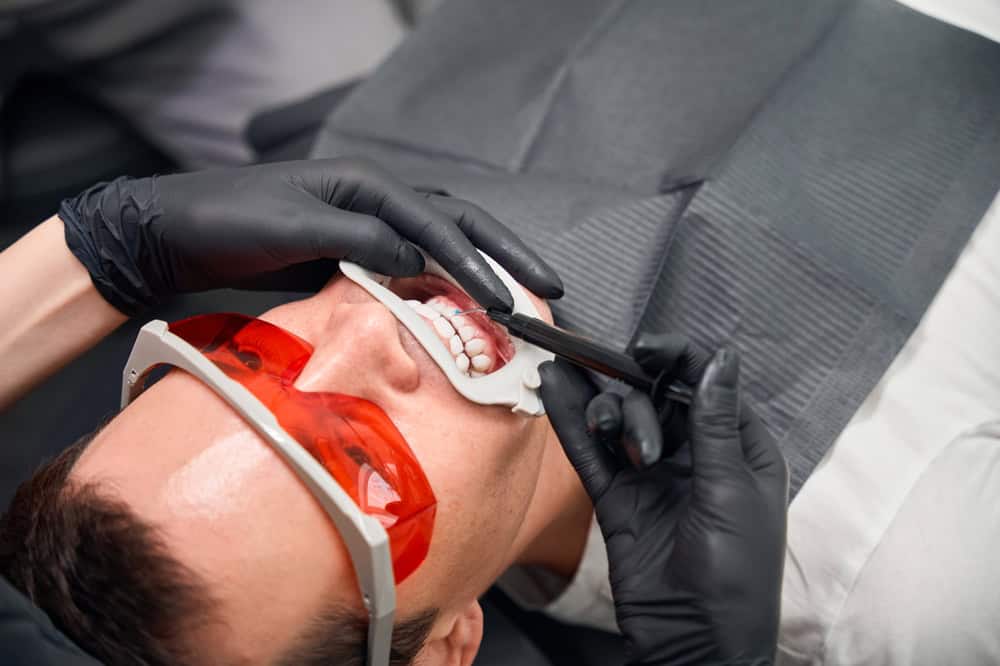
Keeping your teeth free from buildup is an important part of maintaining a healthy smile, and understanding how Professional Teeth Cleaning supports tartar prevention can make daily care feel more manageable. Tartar forms when plaque is left on the teeth and hardens over time, creating a rough surface that attracts more bacteria. With the right habits and regular dental care, it is possible to prevent tartar build-up and keep your teeth and gums in good condition.
What Is Tartar and Why It Forms
Tartar, also known as calculus, develops when plaque is not fully removed through brushing and flossing. Plaque is a soft layer of bacteria that forms naturally on the teeth each day. If it remains on the teeth for too long, it begins to harden, forming tartar.
Once tartar has formed, it cannot be removed at home and requires professional care. Preventing tartar is therefore focused on controlling plaque before it hardens.
Why Preventing Tartar Is Important
Preventing tartar build-up is essential for maintaining both dental health and comfort. When tartar accumulates, it can affect the teeth and gums in several ways.
Protecting Gum Health
Tartar often forms along the gum line, where it can irritate the gums and lead to redness or swelling. Preventing buildup helps keep the gums healthy and comfortable.
Reducing Risk of Tooth Decay
The rough surface of tartar allows bacteria to collect more easily, increasing the likelihood of cavities. Keeping teeth clean helps reduce this risk.
Maintaining a Clean Appearance
Tartar can appear as yellow or brown deposits on the teeth. Preventing it helps maintain a cleaner, more natural-looking smile.
Daily Habits to Prevent Tartar Build-Up
Consistent oral hygiene is the most effective way to prevent tartar from forming. Simple daily habits can make a significant difference.
Brushing Twice a Day
Brushing in the morning and before bed helps remove plaque before it has a chance to harden. Using a soft-bristled toothbrush and proper technique ensures that all surfaces are cleaned effectively.
Flossing Daily
Flossing removes plaque from between the teeth and along the gum line, where tartar often begins to form. This step is essential for thorough cleaning.
Using Recommended Toothpaste
Toothpaste that supports plaque control can help reduce the amount of buildup on the teeth. Your dental team can guide you on suitable options.
Supporting Prevention with Healthy Habits
In addition to daily brushing and flossing, certain lifestyle choices can help reduce the risk of tartar build-up.
Balanced Diet
Limiting sugary foods and drinks helps reduce the amount of bacteria in the mouth. Choosing a balanced diet supports overall oral health.
Staying Hydrated
Drinking water throughout the day helps rinse away food particles and supports natural cleaning processes in the mouth.
Rinsing After Meals
Rinsing your mouth with water after eating can help remove debris and reduce plaque formation.
The Role of Regular Dental Visits
Even with good home care, some areas of the mouth can be difficult to clean completely. Regular dental visits play an important role in preventing tartar build-up.
Professional Removal of Early Deposits
During routine cleanings, dental professionals remove plaque and tartar before they cause problems. This helps maintain a clean and healthy environment in the mouth.
Monitoring Oral Health
Regular check-ups allow the dental team to monitor your oral health and provide guidance tailored to your needs. This ensures that any changes are addressed early.
Who May Be More Prone to Tartar Build-Up
Some individuals may develop tartar more quickly than others. Understanding these factors can help guide prevention efforts.
Natural Variation
Each person’s mouth is different, and some may naturally produce more plaque. This can lead to faster tartar formation if not managed carefully.
Orthodontic Appliances
Braces and other dental appliances can make it more difficult to clean certain areas, increasing the likelihood of buildup.
Lifestyle Factors
Habits such as smoking or frequent consumption of staining foods and drinks can contribute to plaque and tartar accumulation.
Signs of Tartar Build-Up
Recognising the early signs of tartar can help you take action before it becomes a larger concern.
Visible Deposits
Tartar may appear as yellow or brown patches on the teeth, especially near the gum line.
Rough Feeling on Teeth
Teeth may feel less smooth when tartar is present, particularly along the edges of the gums.
Gum Irritation
Redness or slight swelling in the gums can be a sign that buildup is affecting the gum line.
Creating a Preventive Routine
Preventing tartar build-up is about consistency. By combining daily oral hygiene with regular dental care, you can keep your teeth clean and your gums healthy.
Establishing a routine that fits into your daily life makes it easier to maintain these habits over time. For families, encouraging children to follow the same routine helps build lifelong oral care practices.
Conclusion
Tartar build-up can be prevented with simple, consistent care and regular dental visits. By managing plaque through daily brushing, flossing, and healthy habits, you can protect your teeth and gums from unnecessary buildup. Professional care supports this process by removing any deposits that cannot be managed at home. At City Smile Dental Center, we provide clear, supportive guidance to help every patient maintain a clean, healthy smile with confidence.