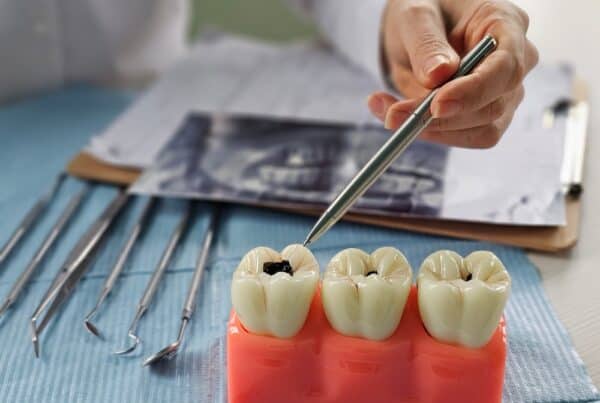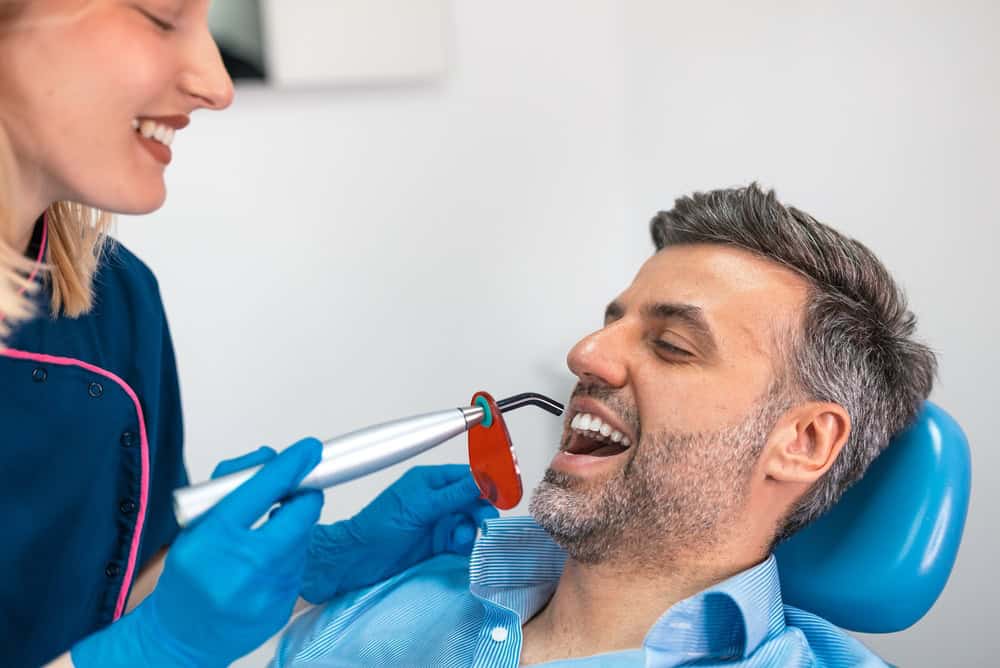
A filling is designed to protect and restore your tooth, but like any dental work, it can sometimes become damaged over time. Dental Fillings may chip, crack, or loosen due to daily wear, and addressing the issue early helps keep your tooth healthy and comfortable. At City Smile Dental Center, we provide gentle and practical solutions to repair broken fillings and restore your smile with confidence.
What Happens When a Filling Breaks
A broken filling can expose part of the tooth underneath, making it more vulnerable to bacteria, sensitivity, and further damage. Even a small crack or chip can affect how well the filling protects the tooth.
Prompt care helps restore the seal and prevents the problem from becoming more complex.
Common Causes of Broken Fillings
Everyday Wear and Tear
Fillings are exposed to constant pressure from chewing and biting. Over time, this can lead to natural wear that weakens the material.
Regular dental check-ups help identify early signs of wear before a filling breaks.
Biting Hard Foods or Objects
Chewing on hard items such as ice, hard sweets, or even non-food objects can place extra stress on a filling. This can cause it to crack or chip unexpectedly.
Being mindful of these habits helps protect both your teeth and fillings.
Teeth Grinding
Grinding or clenching your teeth can put significant pressure on fillings, especially during sleep. This repeated stress can weaken the material over time.
If needed, your dentist may recommend ways to reduce this pressure and protect your teeth.
Age of the Filling
Older fillings may naturally weaken as they age. Over time, they can lose their strength or develop small gaps that lead to damage.
Replacing or repairing older fillings helps maintain the health of the tooth.
Signs You May Have a Broken Filling
Sensitivity to Temperature
If a filling is damaged, the tooth may become sensitive to hot or cold foods and drinks. This happens because the protective barrier is no longer fully intact.
Even mild sensitivity is worth checking to prevent further issues.
Pain When Chewing
Discomfort when biting down can indicate that the filling is cracked or uneven. This may place pressure on the tooth and surrounding area.
A simple repair or adjustment can often resolve this quickly.
Rough or Sharp Edges
You may feel a rough or sharp edge with your tongue if a filling has chipped. This is often one of the first signs that something has changed.
It is best to have this assessed to avoid further damage.
Visible Damage
In some cases, you may be able to see that part of the filling is missing or cracked. This makes it easier to identify the issue, but even small changes should be checked by a dentist.
Early repair helps protect the tooth from further exposure.
Repair Options for Broken Fillings
Polishing Minor Damage
If the damage is very small, such as a rough edge or slight wear, the filling may simply need smoothing or polishing. This restores comfort without replacing the entire filling.
This is a quick and straightforward solution.
Repairing the Filling
For minor cracks or chips, it may be possible to repair the filling by adding new material to the affected area. This helps restore the shape and seal of the filling.
This option is suitable when the underlying structure of the filling remains strong.
Replacing the Filling
If the filling is significantly damaged or worn, it may need to be replaced completely. The old material is removed, the tooth is cleaned, and a new filling is placed.
This ensures the tooth is fully protected and restored.
Advanced Restoration if Needed
In cases where the tooth has been affected beyond the filling, a larger restoration such as an inlay, onlay, or crown may be recommended. This provides additional support and protection.
Your dentist will guide you clearly if this is required.
What to Expect During Repair
Repairing a broken filling is usually a simple and comfortable procedure. The area is assessed, and the most suitable approach is chosen based on the extent of the damage.
At City Smile Dental Center, we take a gentle approach and explain each step clearly so you feel at ease throughout the process.
How to Protect Your Fillings
Avoid Hard Objects
Being careful with hard foods and objects helps reduce the risk of damage. Small changes in daily habits can make a big difference.
Maintain Good Oral Hygiene
Brushing and flossing regularly help keep your teeth and fillings healthy. This reduces the risk of decay forming around the filling.
Attend Regular Check-Ups
Routine dental visits allow us to monitor your fillings and detect any early signs of wear or damage. This helps prevent unexpected issues.
Manage Teeth Grinding
If you grind your teeth, addressing this habit can help protect your fillings and natural teeth from excessive pressure.
Your dentist can guide you on suitable options if needed.
When to Seek Care
If you notice any changes in how your filling feels or looks, it is best to have it checked as soon as possible. Early care helps keep the repair simple and prevents further damage.
Even if the discomfort is mild, a quick visit can provide reassurance and the right solution.
Conclusion
A broken filling is a common issue that can be managed easily with the right care. Whether it requires a simple polish, a repair, or a replacement, addressing the problem early helps protect your tooth and maintain your comfort. At City Smile Dental Center, we provide clear guidance, gentle treatment, and practical solutions for every patient. Our goal is to keep your smile strong, comfortable, and well-protected through every stage of care.