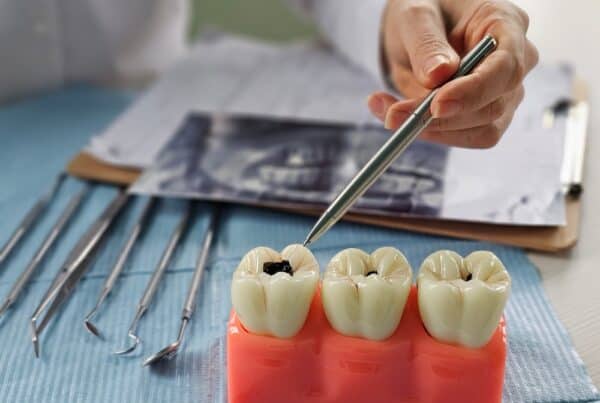
When a cavity develops, it is a sign that part of the tooth has been affected by decay and needs attention. Dental Fillings are one of the most common ways to treat cavities, but they are not the only option. At City Smile Dental Center, we look at each case carefully and guide you through the most suitable treatment based on the condition of the tooth, helping you feel confident and supported at every step.
What Is a Cavity
A cavity forms when bacteria in the mouth produce acids that gradually wear away the enamel, creating a small area of damage. If left untreated, the decay can progress deeper into the tooth, affecting its structure and causing discomfort.
Early detection is important because it allows for simpler and more comfortable treatment options.
Early-Stage Treatment Options
Fluoride Support
In very early stages, where the enamel is weakened but not yet broken, fluoride treatments can help strengthen the tooth and slow down or stop the decay process. This approach is gentle and focuses on prevention rather than repair.
It is most effective when the cavity is detected early during a routine check-up.
Improved Oral Hygiene
Better brushing and flossing habits, along with dietary adjustments, can help manage early decay. Reducing sugar intake and maintaining regular dental visits support the tooth’s ability to recover.
This approach works best when the damage is minimal and has not yet formed a visible cavity.
Fillings for Mild to Moderate Cavities
Restoring the Tooth
When a cavity has progressed beyond the early stage, a filling is usually the most suitable treatment. The decayed portion of the tooth is removed, and the area is filled to restore its shape and function.
This helps protect the tooth and prevents further decay from developing.
Types of Filling Materials
Different materials can be used for fillings, including tooth-colored composite, ceramic, and other options depending on the location and size of the cavity. Each material is chosen to provide the right balance of strength and appearance.
We explain these options clearly so you can choose what feels right for you and your family.
Inlays and Onlays for Larger Cavities
When More Support Is Needed
If a cavity is too large for a standard filling but does not require a full crown, an inlay or onlay may be recommended. These restorations are custom-made to fit the damaged area of the tooth.
They provide additional strength while preserving as much natural tooth structure as possible.
Precision and Durability
Inlays and onlays are designed to fit precisely and are often made from strong, tooth-colored materials. They offer a reliable solution for moderate damage and help maintain the natural shape of the tooth.
This option combines durability with a natural appearance.
Dental Crowns for Advanced Cavities
Full Protection for the Tooth
When a cavity is extensive and the tooth has lost a significant amount of structure, a crown may be the best option. A crown covers the entire visible part of the tooth, providing strength and protection.
This helps restore function and reduces the risk of the tooth breaking further.
Restoring Strength and Stability
Crowns are often recommended when the remaining tooth cannot support a filling or inlay. They are designed to handle everyday chewing forces and provide long-term support.
This makes them a reliable option for more advanced cases.
Root Canal Treatment for Deep Decay
When the Inner Tooth Is Affected
If decay reaches the inner part of the tooth, known as the pulp, a root canal treatment may be needed. This procedure removes the infected tissue and cleans the inside of the tooth.
After treatment, the tooth is usually restored with a crown to protect it and restore its function.
Relieving Pain and Saving the Tooth
Root canal treatment helps relieve discomfort caused by deep decay and allows the natural tooth to be preserved. This avoids the need for extraction in many cases.
With proper care, a treated tooth can continue to function normally.
Tooth Extraction in Severe Cases
When the Tooth Cannot Be Saved
In rare situations where the tooth is too damaged to be restored, extraction may be recommended. This is usually considered only when other treatment options are no longer suitable.
Our focus is always on preserving natural teeth whenever possible.
Planning for Replacement
If a tooth is removed, we discuss options for replacing it, such as bridges or other solutions. This helps maintain proper function and alignment of the remaining teeth.
We guide you through these choices with clear and supportive advice.
Choosing the Right Treatment
The best treatment for a cavity depends on how advanced the decay is and how much of the tooth is affected. Early cavities can often be managed with simple care, while more advanced cases may require additional support.
At City Smile Dental Center, we assess each situation carefully and explain your options in a way that is easy to understand. Our goal is to provide care that fits your needs and supports long-term dental health.
How to Prevent Cavities in the Future
Daily Oral Hygiene
Brushing twice a day and flossing daily help remove plaque and reduce the risk of cavities. Consistent habits play a key role in maintaining healthy teeth.
Regular Dental Visits
Routine check-ups allow us to detect early signs of decay and provide preventive care before problems develop further.
Balanced Diet
Limiting sugary and acidic foods helps protect the enamel and reduces the likelihood of cavities forming.
Simple changes in daily habits can make a meaningful difference over time.
Conclusion
Cavity treatment options range from early preventive care to more advanced restorative solutions, depending on the condition of the tooth. Understanding these options helps you take a proactive approach to your dental health. At City Smile Dental Center, we provide clear guidance, gentle care, and practical solutions for every member of your family. Our focus is on preserving your natural teeth and supporting healthy, confident smiles through every stage of care.