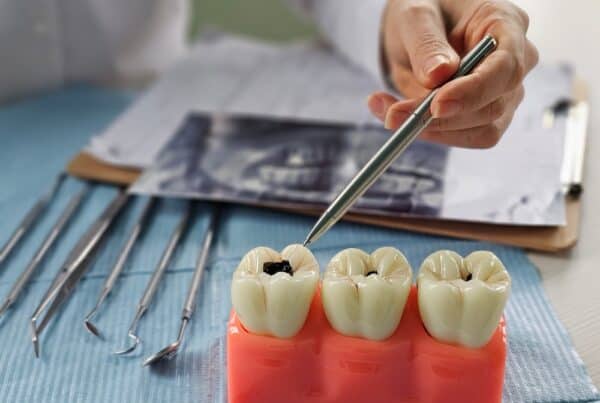
After having a tooth restored, it is natural to wonder how long the result will last and what you can expect over time. Dental Fillings are designed to be durable and reliable, helping protect your tooth and restore normal function. At City Smile Dental Center, we focus on providing fillings that suit your needs while also guiding you on how to care for them so they last as long as possible.
Average Lifespan of Dental Fillings
The lifespan of a filling can vary depending on the material used, the size of the filling, and how much pressure the tooth experiences. On average, many fillings last several years and often much longer with good care.
Smaller fillings in areas with less chewing pressure tend to last longer, while larger fillings or those placed in back teeth may experience more wear over time. Regular check-ups help us monitor their condition and ensure they continue to perform well.
How Different Filling Materials Compare
Composite Fillings
Composite, or tooth-colored fillings, are commonly used because they blend naturally with your teeth. With proper care, they can last for many years. Their lifespan may be slightly shorter in areas of heavy chewing, but they remain a reliable and popular choice for everyday dental care.
Amalgam Fillings
Amalgam fillings are known for their strength and durability, particularly in back teeth. They can often last longer than other materials, especially in areas that experience strong chewing forces.
While they are more visible due to their silver color, they remain a practical option in certain situations.
Ceramic Fillings
Ceramic or porcelain fillings offer both durability and a natural appearance. They are resistant to staining and can last many years when properly cared for. Their strength makes them suitable for larger restorations where both appearance and longevity are important.
Glass Ionomer Fillings
Glass ionomer fillings are often used in specific situations, such as for children or near the gumline. They release fluoride, which helps protect the tooth, but they may not last as long as stronger materials in high-pressure areas.
They are best suited for areas with less chewing stress.
Factors That Affect How Long Fillings Last
Location of the Filling
Fillings placed in back teeth, such as molars, are exposed to more pressure when chewing. This can lead to faster wear compared to fillings in front teeth, which are used less for heavy biting.
The position of the tooth plays an important role in how long the filling remains in good condition.
Size of the Filling
Larger fillings cover more of the tooth surface and may be more prone to wear over time. Smaller fillings, where more natural tooth structure is preserved, often last longer.
This is why early treatment is helpful, as it allows for smaller and more durable restorations.
Daily Oral Habits
Your everyday habits have a direct impact on the lifespan of your fillings. Brushing, flossing, and maintaining good oral hygiene help prevent decay from forming around the filling.
Habits such as teeth grinding or chewing hard objects can place extra stress on fillings and may reduce their lifespan.
Diet and Lifestyle
Frequent consumption of sugary or acidic foods can increase the risk of decay around a filling. Sticky foods may also put additional strain on the restoration.
Balanced eating habits and mindful choices support both your natural teeth and your fillings.
Signs a Filling May Need Attention
Sensitivity or Discomfort
If you begin to notice sensitivity to temperature or pressure, it may indicate that the filling or the tooth needs to be checked. This does not always mean there is a serious problem, but it is best to have it assessed early.
Visible Wear or Damage
Over time, fillings can wear down, chip, or develop small gaps. If you notice any visible changes or feel a rough edge with your tongue, it is a good idea to have it examined.
Addressing small issues early helps prevent further damage.
Food Getting Trapped
If food starts getting stuck in an area where it did not before, it may suggest that the filling has changed shape or loosened slightly. This can increase the risk of decay if not managed promptly.
Pain When Chewing
Discomfort when biting or chewing can indicate that the filling is no longer fitting properly. A simple adjustment or replacement can often resolve the issue and restore comfort.
How to Help Your Fillings Last Longer
Maintain Good Oral Hygiene
Brushing twice a day and flossing daily are key to keeping your teeth and fillings in good condition. This helps prevent decay from forming around the edges of the filling.
Attend Regular Check-Ups
Routine dental visits allow us to monitor your fillings and identify any early signs of wear or damage. This helps ensure that small concerns are managed before they become more complex.
Avoid Excessive Pressure
Try to avoid biting on hard items such as ice, pens, or hard sweets. If you grind your teeth, your dentist may recommend a protective solution to reduce stress on your teeth and fillings.
Stay Aware of Changes
Paying attention to how your teeth feel can help you notice changes early. If something does not feel right, it is always best to have it checked so we can guide you appropriately.
When Fillings Need to Be Replaced
Even with good care, fillings may eventually need to be replaced. This can happen due to natural wear, changes in the tooth, or the development of new decay around the filling.
Replacing a filling is a routine process and helps maintain the strength and health of the tooth. Early replacement, when needed, prevents more extensive treatment later.
Supporting Long-Term Dental Health
Fillings play an important role in maintaining your overall oral health. By restoring damaged teeth and protecting them from further decay, they help keep your smile strong and comfortable.
Combined with regular care and good habits, fillings can support healthy teeth for many years.
Conclusion
While the lifespan of a filling can vary, many last for years when placed properly and cared for well. Factors such as material, location, and daily habits all play a role in how long they remain effective. At City Smile Dental Center, we provide clear guidance, gentle care, and ongoing support to help you maintain your dental health. With regular check-ups and simple daily care, your fillings can continue to protect your teeth and keep your smile comfortable and confident over time.