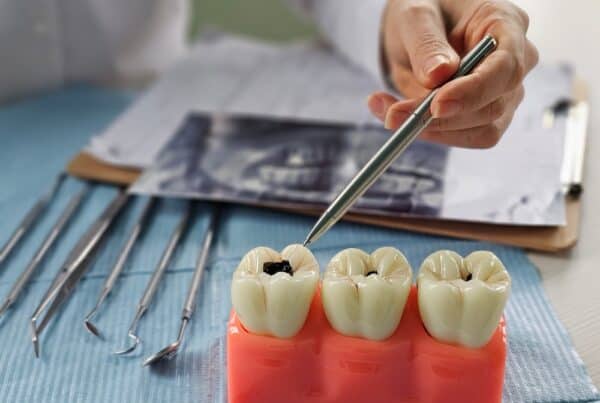
If you or your child has been advised to have a filling, knowing what happens during the appointment can make the experience feel much calmer and easier to understand. Dental Fillings are a routine part of everyday dental care, used to repair a tooth affected by decay, minor damage, or wear. At City Smile Dental Center, we take a gentle, step-by-step approach so patients know what to expect and feel supported throughout treatment.
Why a Filling May Be Recommended
A filling is usually recommended when part of a tooth has been weakened by decay or small damage. Once this affected area is removed, the tooth needs to be sealed and restored so it can function properly again. A filling helps rebuild the tooth’s shape, protects it from further bacteria, and allows you to bite and chew more comfortably.
Fillings may also be used to repair small chips, worn edges, or old fillings that have become loose or damaged. The goal is always to preserve as much natural tooth structure as possible while restoring comfort and strength.
Step 1: Dental Examination
The first step is a careful dental examination. Your dentist will look at the tooth, check the surrounding area, and assess the size and location of the cavity or damage. In some cases, an X-ray may be recommended to see how deep the problem goes and whether the tooth can be restored with a filling.
This stage helps us plan the treatment properly. We will explain what we find in simple terms, answer your questions, and discuss the most suitable filling material for your tooth.
Step 2: Making You Comfortable
Before treatment begins, we make sure you feel relaxed and informed. If the cavity is small and shallow, treatment may be very straightforward. For deeper cavities or sensitive teeth, local anaesthetic may be used to numb the area so the procedure feels comfortable.
For children, we explain each step in a calm and age-appropriate way. Our focus is on creating a positive experience that helps them build confidence during dental visits.
Step 3: Preparing the Tooth
Once you are comfortable, the dentist gently removes the decayed or damaged part of the tooth. This step is important because the filling needs a clean, healthy surface to bond to. The dentist carefully shapes the area so the filling can fit securely and support the remaining tooth structure.
Only the affected portion is removed. Preserving healthy tooth structure is always a priority because it helps maintain the natural strength of the tooth.
Step 4: Cleaning the Area
After the decay has been removed, the prepared area is cleaned thoroughly. This helps remove any remaining debris or bacteria before the filling is placed. A clean surface allows the material to bond properly and helps protect the tooth from future problems.
This step may seem small, but it plays an important role in the long-term success of the filling.
Step 5: Choosing and Preparing the Filling Material
The type of filling material depends on the location of the tooth, the size of the cavity, your preferences, and the dentist’s recommendation. Tooth-colored composite fillings are commonly chosen because they blend naturally with the smile and bond directly to the tooth.
In some cases, other materials may be considered depending on chewing pressure, durability needs, or the specific condition of the tooth. Your dentist will guide you through the best option clearly before placing the filling.
Step 6: Placing the Filling
For Tooth-Colored Fillings
If a composite filling is used, the material is placed in small layers. Each layer is shaped carefully and hardened with a special curing light. This layering process helps create a strong and natural-looking restoration.
The dentist continues building the filling until the tooth’s shape is restored. The aim is to make the tooth look natural and feel comfortable when you bite.
For Other Filling Materials
If another material is used, the placement process may differ slightly. Some materials are packed and shaped directly into the tooth, while others may be prepared outside the mouth before being fitted. Your dentist will explain the approach based on the material chosen.
Step 7: Shaping the Filling
Once the filling is in place, the dentist shapes it to match the natural contour of your tooth. This is important because your teeth need to meet comfortably when you bite and chew. A filling that is too high or uneven can cause discomfort, so this stage is done carefully.
The dentist may ask you to bite down gently on special marking paper. This helps identify any areas that need adjustment.
Step 8: Checking Your Bite
After shaping, your bite is checked to make sure the filling feels balanced. Even a small uneven point can feel noticeable when chewing, so adjustments are made until the tooth feels comfortable.
This step helps protect the filled tooth and surrounding teeth from unnecessary pressure.
Step 9: Polishing the Filling
The final step is polishing the filling. This smooths the surface and helps it feel natural against your tongue and cheeks. For tooth-colored fillings, polishing also helps create a clean, natural appearance that blends with the surrounding tooth.
A smooth filling is easier to keep clean and more comfortable in daily use.
What to Expect After the Procedure
After a filling, your mouth may feel slightly numb if local anaesthetic was used. It is best to avoid chewing on that side until the numbness wears off to prevent accidentally biting your cheek or tongue. Mild sensitivity to temperature or pressure can happen for a short time, especially if the cavity was deep.
This usually settles as the tooth adjusts. If discomfort continues or your bite feels uneven, it is important to contact the clinic so the filling can be checked and adjusted if needed.
How to Care for Your Filling
Caring for a filling is much like caring for your natural teeth. Brush twice a day, floss daily, and attend regular dental check-ups. Good oral hygiene helps protect the edges of the filling and reduces the risk of new decay forming around it.
It is also helpful to avoid chewing very hard objects, such as ice or pen lids, as this can place unnecessary pressure on the filling and tooth.
Conclusion
A filling procedure is a careful, practical treatment designed to restore a tooth and protect it from further damage. From examination and preparation to placement, shaping, and polishing, each step supports comfort, function, and long-term dental health. At City Smile Dental Center, we guide patients through the process with clear explanations and gentle care, helping children and adults feel relaxed and confident at every stage. With the right treatment and simple daily habits, a filled tooth can remain strong, comfortable, and healthy for many years.