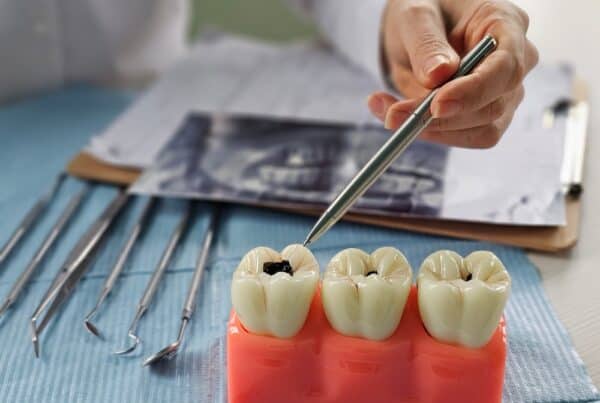
When a tooth is damaged or affected by decay, there are different ways to restore it depending on how much support it needs. Dental Fillings are often the first step for smaller areas of damage, while crowns are used when a tooth requires more complete protection. At City Smile Dental Center, we guide families through these options clearly so you can feel confident choosing the right treatment for your situation.
What Is a Dental Filling
A filling is used to repair a tooth that has a cavity, a small crack, or minor wear. After the damaged part of the tooth is gently removed, the space is filled with a material that restores its shape and function.
Fillings are designed to preserve as much of the natural tooth as possible while protecting it from further damage. They are a common and effective solution for early-stage problems.
What Is a Dental Crown
A crown is a custom-made cover that fits over the entire visible part of a tooth. It is used when a tooth is more significantly weakened and needs full protection and support.
Crowns are often made from materials such as ceramic or porcelain and are shaped to match the natural appearance of your teeth. They restore both strength and function while helping the tooth look natural.
Main Differences Between Fillings and Crowns
Amount of Tooth Covered
The most noticeable difference is how much of the tooth is restored. A filling repairs a specific area of damage within the tooth, while a crown covers the entire outer surface.
This means a crown provides more comprehensive protection when a tooth is significantly weakened.
Level of Protection
Fillings are suitable for smaller areas of decay or minor damage. Crowns are used when a tooth needs additional support due to larger cavities, fractures, or after certain treatments.
Because crowns cover the whole tooth, they help distribute pressure more evenly and reduce the risk of further breakage.
Strength and Durability
Both fillings and crowns are designed to be durable, but crowns generally offer greater strength for teeth that experience heavy chewing forces. This makes them particularly useful for back teeth or teeth that have lost a significant amount of structure.
Fillings remain a reliable choice for many everyday situations where less reinforcement is needed.
Procedure and Time Required
Placing a filling is usually completed in a single visit. The process is straightforward and involves cleaning the affected area and restoring it with filling material.
Crowns often require more than one step. The tooth is prepared, impressions are taken, and a custom crown is created before it is fitted. In some cases, advanced technology allows crowns to be completed more quickly, but they still involve a more detailed process than fillings.
When a Filling Is the Right Choice
Early or Small Cavities
Fillings are ideal for treating small to medium cavities where most of the natural tooth structure is still strong. Early treatment allows for a simple and conservative approach.
Minor Chips or Wear
If a tooth has a small chip or slight wear, a filling can restore its shape and protect it from further damage. This helps maintain both function and appearance.
Preserving Natural Tooth Structure
Fillings require less removal of healthy tooth material. This makes them a suitable choice when the tooth is still largely intact and only needs localised repair.
When a Crown May Be Recommended
Large Cavities
When a cavity is too large for a filling to provide enough support, a crown may be recommended. Covering the entire tooth helps protect it from further damage.
Cracked or Weakened Teeth
If a tooth is cracked or structurally weakened, a crown can hold it together and reduce the risk of it breaking further. This is especially important for teeth that handle strong chewing forces.
After Root Canal Treatment
Teeth that have undergone root canal treatment often need a crown for added protection. The crown helps restore strength and allows the tooth to function normally again.
Extensive Wear
In cases where a tooth has experienced significant wear over time, a crown can rebuild its shape and restore balance to the bite.
Appearance and Aesthetic Considerations
Both fillings and crowns can be designed to match the natural color of your teeth. Tooth-colored fillings blend well for smaller restorations, while ceramic crowns are crafted to look natural even when covering the entire tooth.
Your dentist will consider both function and appearance when recommending the most suitable option for your smile.
Comfort and Function
Once placed, both fillings and crowns are designed to feel comfortable and natural. They restore the ability to chew, speak, and smile with confidence.
Proper shaping and bite adjustment ensure that the restored tooth works in harmony with the rest of your teeth.
How Your Dentist Decides
Choosing between a filling and a crown depends on the condition of the tooth. Your dentist will assess how much of the tooth remains, the level of damage, and how much support is needed.
At City Smile Dental Center, we explain your options clearly and help you understand why a particular treatment is recommended. Our aim is to provide care that supports both immediate comfort and long-term dental health.
Supporting Long-Term Oral Health
Both fillings and crowns play important roles in protecting teeth and maintaining oral health. Treating damage early with a filling can prevent the need for more extensive treatment later. When a crown is needed, it provides the strength required to preserve the tooth for the future.
Regular dental visits and good oral hygiene help ensure that both fillings and crowns continue to perform well over time.
Conclusion
Understanding the difference between a filling and a crown helps you make informed decisions about your dental care. Fillings are a simple and effective solution for smaller areas of damage, while crowns provide full protection for teeth that need additional support. At City Smile Dental Center, we are here to guide you with clear advice and gentle care, helping you choose the right treatment for your needs. Our focus is always on preserving your natural teeth and keeping your smile strong, comfortable, and healthy for the long term.