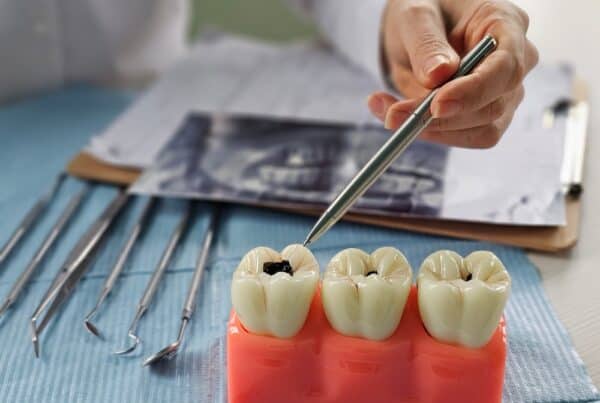
When a cavity becomes larger, it can affect more of the tooth’s structure and require a carefully planned approach to restore strength and function. Dental Fillings can still be an effective solution in many of these cases, provided the tooth has enough healthy structure remaining. At City Smile Dental Center, we focus on restoring teeth in a way that feels comfortable, looks natural, and supports long-term dental health.
What Is a Large Cavity
A large cavity occurs when tooth decay has progressed beyond the early stages and affects a wider or deeper portion of the tooth. This can weaken the tooth and make it more vulnerable to further damage if not treated.
Large cavities often develop gradually, especially when early signs are not noticed or addressed. Regular dental visits help detect and manage decay before it reaches this stage.
Can Large Cavities Be Treated with Fillings
In many cases, large cavities can still be treated with a filling, particularly when enough of the natural tooth remains to support the restoration. The goal is to remove the decayed area and rebuild the tooth so it can function normally again.
If the cavity is too extensive, your dentist may recommend an alternative treatment that provides more support. The decision is based on the condition of the tooth and how best to protect it.
Challenges of Large Cavity Fillings
Reduced Tooth Structure
As cavities grow larger, more of the natural tooth is affected. This can make it more challenging to restore strength with a filling alone.
Careful planning is needed to ensure the filling provides enough support without placing stress on the remaining tooth.
Increased Sensitivity
Large cavities are often closer to the inner layers of the tooth, which can lead to increased sensitivity. This may be noticeable before and after treatment.
With proper care and monitoring, this sensitivity usually settles over time.
Higher Chewing Pressure
Back teeth with large fillings need to withstand strong chewing forces. The filling material and technique must be chosen carefully to ensure durability.
This helps reduce the risk of the filling or tooth becoming damaged in the future.
Best Filling Materials for Large Cavities
Composite Fillings
Tooth-colored composite fillings can be used for larger cavities in certain situations. They bond directly to the tooth, which helps provide additional support.
They are often chosen for their natural appearance and versatility.
Ceramic or Indirect Fillings
For larger restorations, ceramic fillings or inlays and onlays may be recommended. These are custom-made to fit the tooth and provide greater strength than standard fillings.
They are designed to restore both function and appearance effectively.
Other Durable Materials
In some cases, stronger materials may be considered for areas with heavy chewing pressure. The choice depends on the location of the tooth and the level of support required.
Your dentist will guide you through the most suitable options.
The Treatment Process for Large Fillings
Thorough Assessment
The process begins with a detailed examination of the tooth, often including imaging to understand the depth and extent of the cavity. This helps determine whether a filling is the best option.
Clear planning ensures the treatment is both effective and comfortable.
Careful Removal of Decay
The decayed portion of the tooth is gently removed, leaving behind healthy structure. This step is important to ensure the filling bonds well and protects the tooth.
Preserving as much natural tooth as possible remains a priority.
Layered Restoration
For larger cavities, the filling is often built up in layers to provide strength and stability. Each layer is carefully shaped to restore the natural contour of the tooth.
This helps create a strong and functional result.
Final Shaping and Adjustment
The filling is shaped to ensure a comfortable bite and polished to create a smooth surface. This helps the tooth function normally and feel natural.
Proper adjustment is especially important for larger restorations.
When a Filling May Not Be Enough
If a large cavity has significantly weakened the tooth, a filling alone may not provide enough support. In these cases, other options such as a crown may be recommended to protect the entire tooth.
This decision is made carefully to ensure the best long-term outcome for your dental health.
Aftercare and Recovery
After treatment, the tooth may feel slightly sensitive for a short time, especially if the cavity was deep. This usually improves as the tooth settles.
Maintaining good oral hygiene and following your dentist’s advice helps support recovery and long-term results.
How to Prevent Large Cavities
Regular Dental Check-Ups
Routine visits help detect small cavities early before they become larger and more complex to treat.
Early care keeps treatment simple and more comfortable.
Consistent Oral Hygiene
Brushing and flossing daily help prevent plaque buildup and reduce the risk of decay. Good habits protect your teeth over time.
Simple routines make a meaningful difference.
Balanced Diet
Limiting sugary and acidic foods supports the health of your enamel and helps reduce the risk of cavities forming.
Healthy choices contribute to long-term dental well-being.
Supporting Long-Term Tooth Strength
Large cavity fillings play an important role in restoring teeth and maintaining their function. With the right material, careful placement, and regular care, these restorations can provide lasting support.
Ongoing monitoring ensures that any changes are addressed early, helping to protect your smile.
Conclusion
Large cavity fillings offer a practical way to restore teeth that have been significantly affected by decay, helping to maintain both strength and comfort. While they may require a more careful approach, they can still provide effective results when the tooth is suitable for this type of treatment. At City Smile Dental Center, we provide clear guidance, gentle care, and tailored solutions for every patient. Our goal is to protect your natural teeth and support healthy, confident smiles for the long term.