Changes in your teeth can sometimes be subtle, but they often signal when care is needed to protect your smile. Dental Fillings are a simple and effective way to treat early damage and restore the strength of a tooth before problems become more serious. At City Smile Dental Center, we focus on helping families recognise these signs early so treatment can be comfortable, straightforward, and supportive of long-term dental health.
What a Filling Is Designed to Do
A filling is used to repair a tooth that has been affected by decay, small fractures, or wear. Once the damaged area is gently removed, the space is filled to restore the tooth’s natural shape and function. This helps prevent further damage, supports comfortable chewing, and keeps the tooth protected.
Fillings are one of the most common treatments in everyday dentistry because they address issues early, before they develop into more complex concerns.
Common Signs You May Need a Filling
Tooth Sensitivity
If you notice discomfort when eating or drinking something hot, cold, or sweet, it may be a sign that the enamel has been weakened. Sensitivity can occur when decay starts to affect the inner layers of the tooth.
This does not always mean a filling is required, but it is a good reason to have the tooth checked so we can identify the cause and guide you clearly.
Visible Holes or Dark Spots
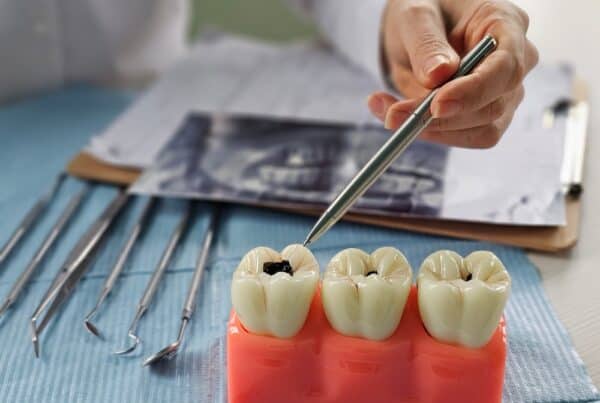
A small hole or dark area on the surface of a tooth can be an early sign of a cavity. These changes may not always cause pain at first, which is why regular dental visits are important.
When detected early, a filling can restore the tooth quickly and comfortably.
Pain When Biting or Chewing
Discomfort when you bite down or chew food can indicate that a tooth is weakened or damaged. This may be due to decay or a small crack that needs attention.
A filling can help strengthen the tooth and relieve this discomfort once the underlying issue is treated.
Food Getting Stuck Frequently
If food regularly gets trapped in the same area between your teeth, it may suggest a cavity or a change in the tooth’s shape. This can make cleaning more difficult and increase the risk of further decay.
Addressing the issue early with a filling helps restore proper tooth contact and makes daily care easier.
Persistent Toothache
A steady or recurring toothache should always be checked. While not all tooth pain requires a filling, it can be a sign that decay has progressed and needs treatment.
Early care helps resolve discomfort and prevents the need for more involved procedures.
Situations Where a Filling May Be Needed
Treating Tooth Decay
The most common reason for a filling is to treat a cavity caused by tooth decay. When plaque and bacteria break down the enamel, they create small areas of damage that need to be repaired.
Removing the decay and placing a filling helps protect the tooth and stop the problem from progressing.
Repairing Minor Chips or Cracks
Teeth can sometimes become chipped or slightly cracked due to everyday wear or accidental impact. In many cases, a filling can restore the shape of the tooth and protect it from further damage.
This is a simple way to maintain both function and appearance.
Replacing Worn or Old Fillings
Over time, existing fillings can wear down or loosen. When this happens, they may no longer provide full protection to the tooth.
Replacing an old filling helps maintain the strength of the tooth and prevents bacteria from entering the affected area.
Addressing Tooth Wear
Some patients experience gradual wear of the teeth due to grinding or everyday use. When this wear affects the surface of the tooth, a filling can help rebuild the structure and restore comfort.
This supports normal function and helps prevent further damage.
Why Early Treatment Matters
Preventing Further Damage
Addressing a small cavity early with a filling helps prevent it from becoming larger. If left untreated, decay can reach deeper layers of the tooth and may require more complex care.
Early treatment keeps the process simple and supports better long-term outcomes.
Protecting Tooth Strength
A filling helps restore the natural shape and strength of the tooth. This allows you to bite and chew comfortably while reducing the risk of fractures or further wear.
Maintaining the integrity of the tooth is an important part of overall dental health.
Supporting Comfortable Care
When issues are treated early, the procedure is typically quicker and more comfortable. This is especially important for children and patients who may feel nervous about dental visits.
Our approach focuses on gentle care and clear communication at every step.
How Fillings Fit into Preventive Care
Regular Dental Check-Ups
Routine visits allow us to detect early signs of decay or damage that may not yet be visible or causing discomfort. This helps us recommend treatment at the right time.
Preventive care plays a key role in reducing the need for more extensive treatments.
Daily Oral Hygiene
Brushing and flossing regularly help prevent the buildup of plaque that leads to cavities. Good habits at home support the effectiveness of fillings and help protect your teeth over time.
Simple, consistent care makes a meaningful difference for your dental health.
When to Seek Advice
If you notice any changes in your teeth, even if they seem minor, it is always a good idea to have them checked. Early attention allows us to provide clear guidance and choose the most suitable treatment for your needs.
At City Smile Dental Center, we take the time to listen, assess carefully, and explain your options in a way that feels straightforward and reassuring.
Conclusion
Knowing when you may need a filling helps you take a proactive approach to your dental health. From sensitivity and visible changes to everyday discomfort, these signs are your body’s way of asking for care. At City Smile Dental Center, we are here to support you with gentle treatment, clear explanations, and a focus on long-term health for every member of your family. Addressing concerns early helps keep your smile strong, comfortable, and confident for years to come.