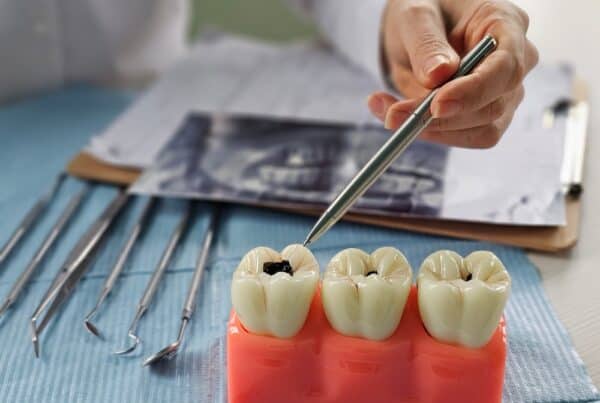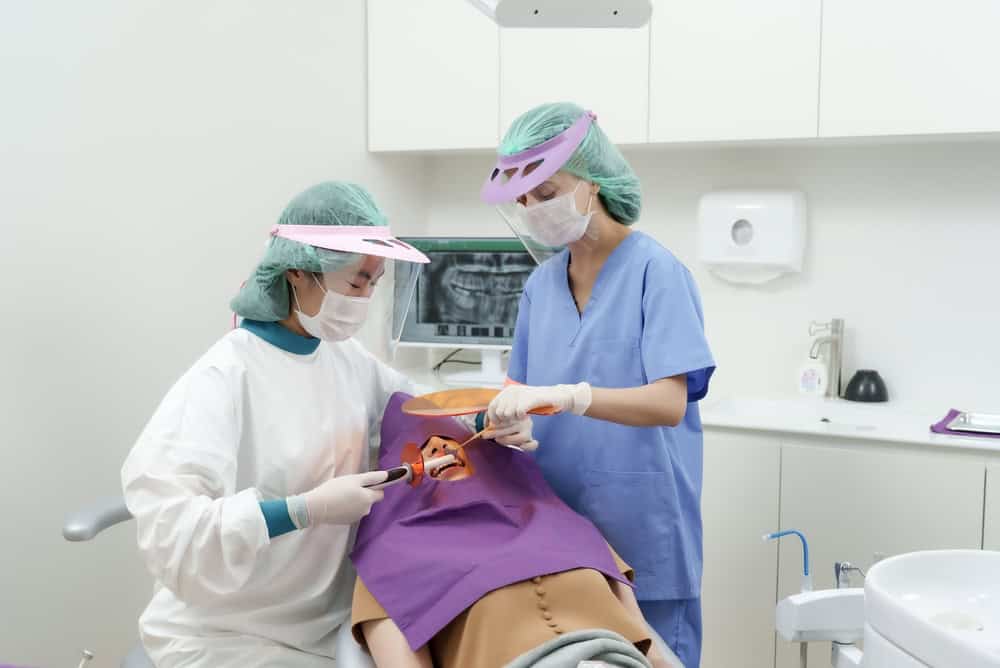
Over time, even well-placed restorations can begin to show signs of wear. Dental Fillings are designed to be durable, but they are not permanent. At City Smile Dental Center, we help patients recognise when a filling may need to be replaced and guide them through the process in a calm and supportive way, ensuring their teeth remain strong and protected.
Why Fillings May Need to Be Replaced
Fillings are exposed to daily chewing, temperature changes, and natural wear. Over time, this can affect their condition and how well they protect the tooth.
Replacing an old filling helps maintain the health of the tooth and prevents further damage that could require more complex treatment.
Common Signs a Filling Needs Replacement
Visible Wear or Damage
Fillings can gradually wear down, chip, or crack. If the surface no longer feels smooth or looks uneven, it may be time to have it checked.
Even small changes can affect how well the filling seals and protects the tooth.
Gaps Around the Filling
If a filling starts to pull away from the tooth, small gaps can form. These spaces can allow bacteria to enter and lead to new decay beneath the filling.
Replacing the filling helps restore a proper seal and protect the tooth.
Sensitivity or Discomfort
Increased sensitivity to hot, cold, or pressure can be a sign that the filling is no longer performing as it should. This may indicate wear, a loose fit, or changes in the tooth.
A simple examination can determine the cause and guide the next steps.
Discolouration or Changes in Appearance
Tooth-colored fillings may change in appearance over time, especially in visible areas. While this is often a cosmetic concern, it can also signal wear or surface changes.
Refreshing the filling can restore both function and appearance.
Food Getting Trapped
If food begins to collect around a filling more often than before, it may indicate that the shape or contact point has changed. This can make cleaning more difficult and increase the risk of decay.
Replacing the filling helps restore proper tooth shape and makes daily care easier.
What Happens If Old Fillings Are Not Replaced
Leaving a worn or damaged filling untreated can allow bacteria to reach the tooth underneath. This can lead to new decay, weakening the tooth further.
In more advanced cases, the tooth may require more involved treatment such as a crown or other restorative care. Early replacement helps avoid these complications and keeps treatment simple.
The Process of Replacing a Filling
Assessment and Planning
The process begins with a careful examination of the tooth and the existing filling. We assess its condition and determine whether replacement is needed.
We then explain the findings clearly and discuss the most suitable material for the new filling.
Removing the Old Filling
The existing filling is gently removed, along with any areas of decay or weakened tooth structure. This allows us to prepare a clean and healthy surface for the new restoration.
We take care to preserve as much of the natural tooth as possible during this step.
Cleaning and Preparation
Once the old filling is removed, the tooth is cleaned thoroughly. This ensures that no bacteria or debris remains before placing the new filling.
A clean surface helps the new material bond properly and improves long-term results.
Placing the New Filling
The new filling is placed using a method suited to the chosen material. Tooth-colored fillings are often applied in layers and shaped carefully to restore the natural contour of the tooth.
We ensure the filling fits comfortably and supports normal function.
Final Adjustments
Your bite is checked and adjusted so the filling feels natural when chewing. The surface is then polished to create a smooth and comfortable finish.
This final step helps ensure the new filling integrates well with your other teeth.
Choosing the Right Replacement Material
When replacing a filling, there may be an opportunity to choose a different material depending on your needs. Many patients opt for tooth-colored fillings for a more natural appearance, while others may prioritise durability for back teeth.
At City Smile Dental Center, we guide you through these options in a clear and simple way so you can choose what works best for you.
How Often Should Fillings Be Checked
Fillings should be checked during regular dental visits. Even if they feel fine, routine examinations help detect early signs of wear or changes that may not be noticeable yet.
Regular monitoring allows for timely replacement when needed, helping to maintain the health of the tooth.
How to Extend the Life of Your Fillings
Maintain Good Oral Hygiene
Brushing and flossing daily help protect both your natural teeth and your fillings. Keeping the area clean reduces the risk of decay around the filling.
Avoid Excessive Pressure
Habits such as chewing hard objects or grinding your teeth can place extra stress on fillings. Being mindful of these habits helps maintain their condition over time.
Attend Regular Check-Ups
Routine dental visits allow us to monitor your fillings and address any concerns early. This supports long-term durability and comfort.
Supporting Long-Term Dental Health
Replacing old fillings is an important part of maintaining overall oral health. It helps protect the tooth, prevents further damage, and ensures your smile remains comfortable and functional.
With the right care and timely attention, your teeth can remain strong and healthy for many years.
Conclusion
Old fillings can wear down over time, but replacing them is a simple and effective way to protect your teeth and maintain your dental health. By recognising the signs early and seeking professional guidance, you can avoid more complex treatments and keep your smile strong. At City Smile Dental Center, we provide clear advice, gentle care, and practical solutions for every member of your family. Our goal is to help you maintain healthy, confident smiles with care you can rely on every day.