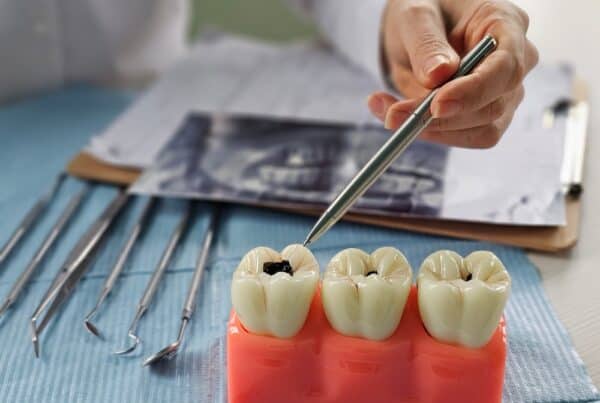
When a tooth develops decay or minor damage, Dental Fillings are one of the most common and reliable ways to restore its strength and function. At City Smile Dental Center, we guide families through the available options so they can choose a filling that suits their needs, lifestyle, and comfort. Understanding the different types of fillings helps you feel more confident about your treatment and ensures the best long-term outcome for your smile.
What Are Dental Fillings Used For
Dental fillings are used to repair teeth affected by cavities, small fractures, or wear. When decay is removed, the remaining space needs to be filled to protect the tooth and restore its natural shape. A well-placed filling helps prevent further damage, supports chewing, and keeps the tooth comfortable and functional.
Different materials can be used for fillings, and each has its own advantages depending on the location of the tooth, the size of the cavity, and your personal preferences. Our role is to explain these options clearly so you can make a decision that feels right for you and your family.
Composite Fillings
Natural Appearance and Versatility
Composite fillings, often called tooth-colored fillings, are one of the most popular choices for modern dental care. They are made from a blend of resin and fine glass particles, designed to closely match the natural shade of your teeth.
This makes them an excellent option for visible areas such as front teeth, where maintaining a natural look is important. Composite material bonds directly to the tooth, which helps preserve more of the natural structure.
When Composite Fillings Are Recommended
Composite fillings are suitable for small to medium cavities in both front and back teeth. They are also commonly used to repair chipped or slightly worn teeth. Because they blend in so well, many patients prefer them for cosmetic reasons as well as function.
Considerations
While composite fillings are durable, they may not last as long as some other materials in very large cavities or areas with heavy chewing pressure. Regular check-ups help ensure they remain in good condition over time.
Amalgam Fillings
Strength and Longevity
Amalgam fillings have been used for many years and are known for their strength and durability. They are made from a combination of metals, including silver, tin, and copper, which creates a strong material capable of withstanding significant chewing forces.
These fillings are often placed in back teeth where pressure from chewing is highest and visibility is less of a concern.
When Amalgam Fillings Are Recommended
Amalgam may be recommended for larger cavities in molars, especially when long-term durability is the main priority. They are also a cost-effective option in certain situations.
Considerations
Amalgam fillings have a silver color, which makes them more noticeable than tooth-colored alternatives. Some patients prefer a more natural appearance, particularly for teeth that are visible when smiling or speaking.
Ceramic Fillings
Strong and Aesthetic Option
Ceramic fillings are typically made from porcelain and offer both strength and a natural appearance. They are designed to match the color of your teeth while also being resistant to staining.
These fillings are often created in a lab or with advanced in-clinic technology to ensure a precise fit.
When Ceramic Fillings Are Recommended
Ceramic fillings are suitable for patients who want a long-lasting and highly aesthetic solution. They are often used for medium to large restorations where both durability and appearance are important.
Considerations
Because they are custom-made, ceramic fillings may require more than one visit depending on the treatment approach. They can also be more costly than other filling types, but many patients value their durability and natural look.
Gold Fillings
Exceptional Durability
Gold fillings are one of the most durable options available and can last many years with proper care. They are made from a gold alloy that is well-tolerated by the body and highly resistant to wear.
Although less commonly used today, they remain a reliable choice for certain patients.
When Gold Fillings Are Recommended
Gold fillings may be chosen for back teeth where strength is essential. Some patients also prefer them for their longevity and the precision of their fit.
Considerations
Gold fillings are more visible and typically require multiple visits to complete. They are also one of the higher-cost options, which may influence the decision for many families.
Glass Ionomer Fillings
Gentle and Preventive Option
Glass ionomer fillings are made from a blend of acrylic and glass materials. One of their key benefits is that they release fluoride over time, which can help protect the tooth from further decay.
This makes them particularly useful in situations where added protection is helpful.
When Glass Ionomer Fillings Are Recommended
These fillings are often used for children, for fillings near the gumline, or in areas that are not exposed to heavy chewing pressure. They are also a good option for temporary restorations.
Considerations
Glass ionomer is not as strong as composite or ceramic materials, so it may not be suitable for larger cavities in back teeth. However, it offers a gentle and practical solution in the right situations.
Temporary Fillings
Short-Term Protection
Temporary fillings are used when a tooth needs short-term protection before a more permanent solution is placed. This might be part of a multi-step treatment, such as root canal therapy or while waiting for a custom restoration.
They help keep the tooth sealed and comfortable until the next stage of care.
When Temporary Fillings Are Used
Temporary fillings are often placed between appointments or when immediate treatment is needed but a permanent filling cannot be completed right away.
Considerations
These fillings are not designed to last long-term and should be replaced as planned to ensure the tooth remains protected.
Choosing the Right Filling for Your Needs
The best type of filling depends on several factors, including the size and location of the cavity, your aesthetic preferences, and your budget. For example, a small cavity in a front tooth may benefit from a composite filling, while a larger cavity in a molar may require a stronger material.
At City Smile Dental Center, we take the time to explain each option in a clear and simple way. We look at your overall dental health, listen to your concerns, and help you choose a solution that supports long-term comfort and function.
How Fillings Support Long-Term Dental Health
Fillings do more than repair a tooth. They play an important role in maintaining overall oral health. By sealing the area where decay has been removed, a filling helps prevent bacteria from entering and causing further damage.
Regular dental visits allow us to check the condition of your fillings and ensure they continue to perform well. With good oral hygiene and routine care, many fillings can last for many years.
Conclusion
Understanding the different types of dental fillings helps you feel more informed and comfortable when making decisions about your care. Each material offers its own benefits, from natural appearance to long-lasting strength, and the right choice depends on your individual needs. At City Smile Dental Center, we are here to guide you every step of the way, providing clear advice, gentle treatment, and dependable care for every member of your family. Our focus is always on helping you maintain a healthy, confident smile with solutions that fit into your everyday life.