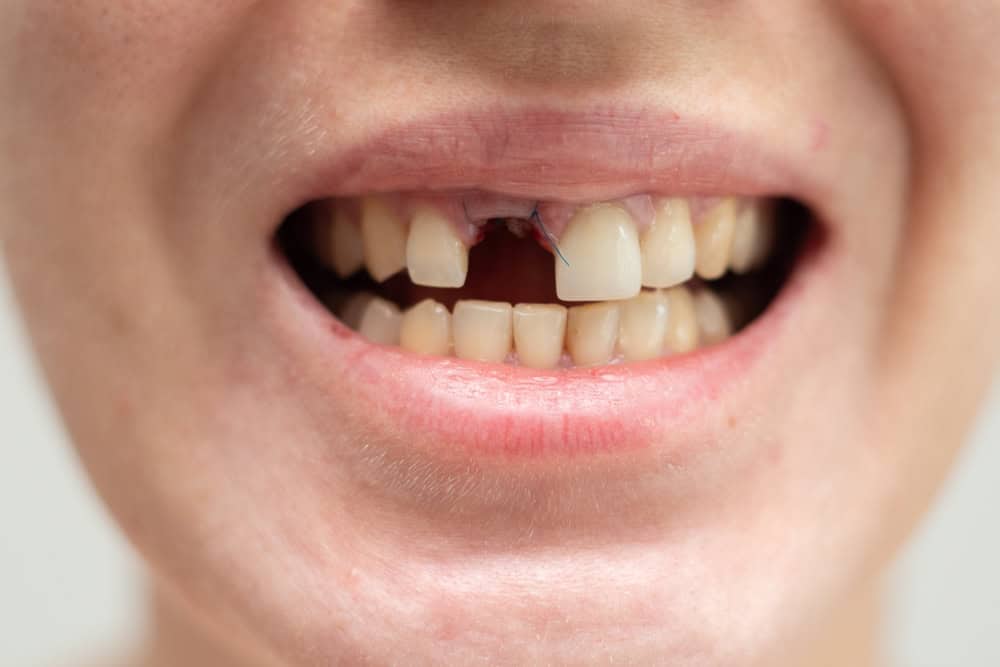
Having more than one tooth removed at the same time can feel like a big step, but with the right planning and care, the process is often straightforward and manageable. In some situations, Tooth Extractions involving multiple teeth are recommended to protect your oral health, relieve discomfort, or prepare for further treatment. This guide explains when multiple extractions are needed, how the process works, and what you can expect during recovery.
When Multiple Tooth Extractions Are Recommended
Removing more than one tooth may be advised when several teeth are affected or when treatment goals require creating space or improving overall oral health. Each case is carefully assessed to ensure the best outcome.
Your dentist will always consider all available options before recommending this approach.
Advanced Tooth Decay
When decay affects multiple teeth and they cannot be restored effectively, removing them may help prevent infection and improve comfort. This allows your mouth to heal and prepares for future treatment if needed.
Addressing the issue early helps protect surrounding tissues.
Gum Disease
In advanced stages of gum disease, several teeth may become loose due to loss of supporting bone. Removing these teeth can help stabilise the condition and improve overall oral health.
This creates a healthier environment for healing.
Orthodontic Treatment
In some orthodontic cases, multiple teeth may be removed to create space for proper alignment. This helps guide the remaining teeth into a balanced position.
The decision is based on achieving long-term stability.
Preparation for Dentures
When full or partial dentures are planned, multiple extractions may be required to prepare the mouth. This allows for a more comfortable and functional fit.
Your dentist will guide you through this process step by step.
Planning the Procedure
Careful planning is an important part of multiple tooth extractions. Your dentist will assess your oral health and create a treatment plan tailored to your needs.
This ensures the procedure is carried out safely and comfortably.
Comprehensive Assessment
A detailed examination, including X-rays, helps determine the condition of each tooth and the surrounding structures. This allows your dentist to plan the procedure effectively.
Clear planning supports a smoother experience.
Deciding the Approach
Depending on the number and position of the teeth, extractions may be completed in one visit or over several appointments. This decision is based on your comfort and overall health.
Your dentist will explain the recommended approach.
Comfort During Multiple Extractions
Your comfort is always a priority, especially when more than one tooth is being removed. Effective pain management and a calm environment help ensure a positive experience.
Support is provided throughout the procedure.
Local Anaesthetic
The area is numbed using local anaesthetic so you do not feel pain during the procedure. This ensures each extraction is carried out comfortably.
You may feel gentle pressure, which is normal.
Sedation Options
For patients who feel anxious or for more complex procedures, sedation may be offered. This helps you feel relaxed and makes the experience more manageable.
Your dentist will discuss suitable options with you.
The Extraction Process
The procedure for multiple extractions follows the same careful steps as a single extraction, repeated for each tooth. The approach may vary depending on the condition and position of the teeth.
Each step is carried out with precision and care.
Removing the Teeth
Teeth are gently loosened and removed using specialised instruments. If any teeth are more complex to access, a surgical approach may be used.
This ensures safe and complete removal.
Managing the Extraction Sites
After the teeth are removed, each site is cleaned and prepared for healing. Stitches may be placed if needed to support the gums.
Gauze is used to help control bleeding and encourage clot formation.
Recovery After Multiple Extractions
Recovery after multiple extractions may require a little more care, but most patients heal well with the right support. Understanding what to expect can help you feel prepared.
Your dentist will guide you through each stage.
Early Healing
In the first few days, you may experience mild swelling and discomfort, which is normal. Rest, cold compresses, and recommended pain relief help manage these symptoms.
Protecting the extraction sites is important during this stage.
Diet and Nutrition
Soft foods are recommended initially to avoid placing pressure on the healing areas. Gradually returning to your normal diet helps maintain comfort.
Staying hydrated supports recovery.
Oral Hygiene
Keeping your mouth clean while being gentle around the extraction sites helps prevent infection. Your dentist will advise when to resume normal brushing and rinsing.
Good hygiene supports healing.
Healing Timeline
Healing follows a natural process, with noticeable improvements each day. While recovery may take slightly longer than a single extraction, progress is steady.
Understanding the timeline helps set expectations.
First Week
The blood clots stabilise, and the gum tissue begins to repair. Swelling and discomfort gradually reduce during this time.
Most patients feel more comfortable by the end of the week.
Ongoing Healing
Over the following weeks, the gums continue to heal and the area becomes more stable. Full healing of the bone beneath the surface takes longer but progresses naturally.
Your dentist may monitor this if needed.
Planning for Tooth Replacement
After multiple extractions, replacing missing teeth may be an important next step. This helps restore function and maintain the balance of your smile.
Your dentist will guide you through suitable options.
Available Solutions
Options such as dentures, implants, or bridges can be considered depending on your needs. Each option is explained clearly so you can make an informed decision.
Planning ahead supports long-term oral health.
Supporting a Smooth Recovery
Following aftercare instructions closely plays a key role in recovery. Taking care of yourself during this time helps ensure the best outcome.
Your dental team is there to support you throughout.
Rest and Care
Allowing your body time to heal, avoiding strenuous activity, and following dietary guidance all contribute to a smoother recovery.
Small steps can make a big difference.
When to Seek Advice
If you notice unusual symptoms such as persistent pain, swelling, or bleeding, it is important to contact your dentist. Early support helps address any concerns.
Your care team will guide you through the next steps.
Conclusion
Multiple tooth extractions are carefully planned to support your oral health and comfort. While the idea may feel overwhelming, the process is managed with gentle care, clear guidance, and a focus on your wellbeing. With the right preparation and aftercare, most patients recover smoothly and move forward with confidence. Your dental team is there to support you at every stage, helping you achieve a healthy and comfortable outcome.