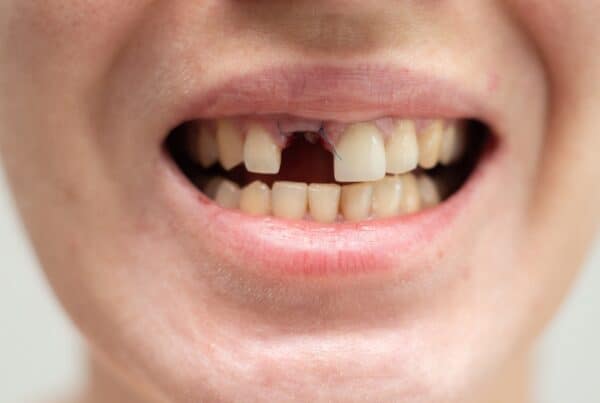
Feeling nervous about a dental procedure is completely natural, and your comfort is always a priority. When Tooth Extractions are needed, sedation can be a helpful option to make the experience feel calm and manageable. This guide explains how sedation works, the different types available, and what you can expect before, during, and after your appointment.
What Is Sedation in Dentistry
Sedation is used to help patients feel relaxed during dental treatment. It does not replace local anaesthetic, which numbs the area to prevent pain, but works alongside it to reduce anxiety and improve comfort.
The level of sedation can vary depending on your needs and the complexity of the procedure.
Why Sedation Is Used
Some patients feel anxious about dental visits, while others may be undergoing a more involved procedure. Sedation helps create a calm environment, allowing treatment to be carried out smoothly.
It can also make the experience feel quicker and more comfortable.
Types of Sedation for Tooth Extraction
There are several types of sedation available, each offering a different level of relaxation. Your dentist will recommend the most suitable option based on your comfort level and medical history.
All options are safe and carefully monitored.
Oral Sedation
Oral sedation involves taking medication before your appointment. This helps you feel relaxed and at ease by the time your procedure begins.
You remain awake but may feel drowsy and less aware of the surroundings.
Inhalation Sedation
Inhalation sedation uses a gentle gas delivered through a small mask. It works quickly and helps you feel calm during the procedure.
One of the benefits is that it wears off soon after the treatment is complete.
Intravenous Sedation
Intravenous sedation is administered through a small line, allowing for a deeper level of relaxation. Patients often feel very calm and may remember little of the procedure.
This option is typically used for more complex extractions or for patients with higher levels of anxiety.
What to Expect Before Sedation
Preparation for sedation involves a thorough discussion with your dentist to ensure it is the right choice for you. Your medical history and any current medications are carefully reviewed.
This helps ensure your safety and comfort.
Pre-Procedure Instructions
You may be advised to avoid eating or drinking for a certain period before your appointment, depending on the type of sedation used. Clear instructions will be provided in advance.
Following these guidelines helps the procedure run smoothly.
Arranging Support
For certain types of sedation, you may need someone to accompany you to and from your appointment. This ensures you can travel home safely after the procedure.
Your dental team will guide you on what is required.
During the Procedure
Once sedation is administered, you will begin to feel more relaxed. Local anaesthetic is then applied to numb the area, ensuring the procedure is comfortable.
Your dental team will monitor you throughout to ensure your safety and wellbeing.
Feeling Calm and Comfortable
Patients often describe feeling at ease and less aware of the procedure. You may feel light and relaxed, with reduced sensitivity to sounds and sensations.
This helps create a positive experience.
Ongoing Monitoring
Your breathing, heart rate, and overall comfort are monitored during the procedure. This ensures that everything remains stable and safe.
Your care team is focused on your wellbeing at all times.
After the Procedure
Recovery from sedation depends on the type used. Some forms wear off quickly, while others may take a little longer.
Your dentist will provide clear instructions to support your recovery.
Immediate Recovery
After lighter sedation, you may feel normal within a short time. With deeper sedation, you may feel drowsy and need time to rest.
It is important to follow guidance on when to resume normal activities.
Post-Sedation Care
Avoid driving or operating machinery until the effects have fully worn off. Resting and staying hydrated help your body recover comfortably.
Having support at home can also be helpful.
Benefits of Sedation for Extraction
Using sedation can make a significant difference in how you experience dental treatment. It helps reduce anxiety and allows procedures to be completed more comfortably.
Many patients find it reassuring and beneficial.
Reduced Anxiety
Feeling calm during treatment helps make the experience more positive. This is especially helpful for patients who may feel nervous about dental care.
Confidence in treatment can improve overall wellbeing.
Improved Comfort
Combined with local anaesthetic, sedation ensures that the procedure is comfortable. Patients often report minimal awareness of the treatment.
This helps create a smoother experience.
Is Sedation Right for You
Not every patient requires sedation, but it can be a helpful option in certain situations. Your dentist will discuss whether it is suitable for your needs.
The decision is based on your comfort and treatment plan.
Who May Benefit
Patients with dental anxiety, those undergoing more complex procedures, or individuals with a strong gag reflex may benefit from sedation.
It can also help make longer appointments feel more manageable.
Personalised Care Approach
Your treatment is tailored to your individual needs. If sedation is recommended, it will be explained clearly so you can make an informed decision.
Your comfort is always the priority.
Conclusion
Sedation for tooth extraction is a safe and effective way to make dental treatment more comfortable and relaxed. By reducing anxiety and supporting a calm experience, it helps patients feel more at ease throughout the procedure. With careful planning, clear guidance, and ongoing support, sedation can transform the experience into something manageable and reassuring. Your dental team is there to ensure you feel comfortable, confident, and well cared for at every stage.