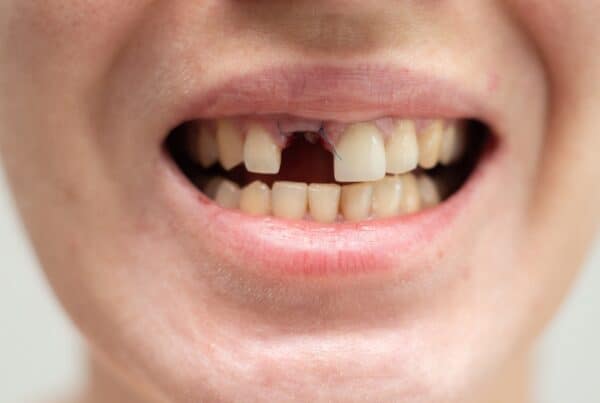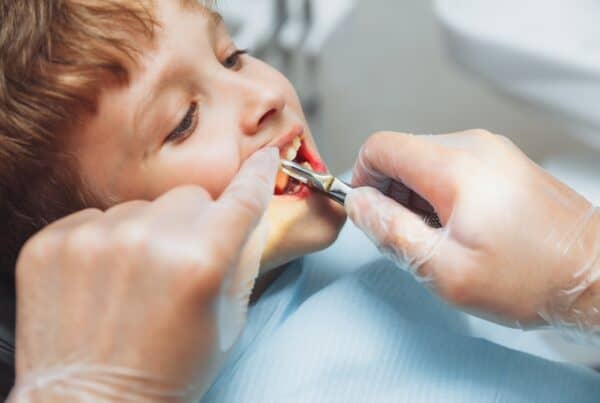
After a tooth has been removed, it is natural to think about what comes next. Replacing a missing tooth is not always urgent, but it is often an important step in maintaining long-term oral health and comfort. Following Tooth Extractions, your dentist will guide you through suitable options to restore function, support your bite, and keep your smile balanced.
Why Replacing a Missing Tooth Matters
When a tooth is lost, the surrounding teeth and jaw can gradually change. Over time, nearby teeth may shift into the empty space, and this can affect how your teeth come together when you bite.
Replacing the tooth helps maintain alignment, supports chewing, and protects the overall structure of your mouth.
Supporting Daily Function
Teeth work together when you chew and speak. Even a single missing tooth can affect how comfortably you eat certain foods.
Replacing the tooth helps restore normal function and improves overall comfort.
Maintaining Jawbone Health
The roots of your teeth stimulate the jawbone. When a tooth is missing, that area may gradually lose density over time.
Some replacement options help maintain bone strength and support long-term oral health.
When to Consider Tooth Replacement
The timing of replacement depends on your individual situation. In some cases, it can be planned soon after healing begins, while in others, a short waiting period is recommended.
Your dentist will advise you based on how the extraction site is healing and your overall treatment plan.
Immediate vs Delayed Replacement
Some treatments can begin shortly after the extraction, while others require the area to heal fully first. Both approaches are carefully planned to ensure the best outcome.
The decision is tailored to your needs.
Allowing Time for Healing
The extraction site needs time to stabilise before certain treatments. This helps ensure that the replacement is secure and long-lasting.
Your dentist will monitor healing and guide the next steps.
Dental Implant: A Long-Term Solution
Dental implants are a popular option for replacing missing teeth. They are designed to act like natural tooth roots, providing a strong and stable foundation for a replacement tooth.
This option supports both function and appearance.
How Implants Work
A small titanium post is placed in the jawbone, where it gradually integrates with the bone. Once healed, a crown is attached to restore the appearance and function of the tooth.
This creates a durable and natural-feeling result.
Benefits of Implants
Implants help maintain bone health, do not rely on neighbouring teeth for support, and offer long-term stability. They are often chosen for their natural look and feel.
With proper care, they can last for many years.
Dental Bridge: A Fixed Option
A dental bridge replaces a missing tooth by using the neighbouring teeth for support. It is a fixed solution that fills the gap and restores function.
This option is suitable for patients who may not be candidates for implants.
How a Bridge Works
The teeth on either side of the gap are prepared to support a bridge, which includes a replacement tooth anchored between them. The bridge is then fixed in place.
This provides a stable and functional result.
Benefits of Bridges
Bridges restore chewing ability and improve appearance. They are completed in a shorter time frame compared to implants and provide a reliable solution for many patients.
Regular care helps maintain their longevity.
Dentures: A Flexible Solution
Dentures are removable appliances that replace one or more missing teeth. They are a practical option for patients who prefer a flexible or more affordable solution.
Modern dentures are designed for comfort and natural appearance.
Types of Dentures
Partial dentures replace a few missing teeth, while full dentures are used when all teeth in an arch are missing. Each type is customised to fit your mouth comfortably.
Your dentist will help you choose the most suitable option.
Benefits of Dentures
Dentures restore basic function and appearance, making it easier to eat and speak. They are adjustable and can be updated as needed over time.
This flexibility can be helpful for many patients.
Choosing the Right Option
Selecting the best replacement option depends on several factors, including your oral health, lifestyle, and personal preferences. Your dentist will guide you through the decision in a clear and supportive way.
The goal is to find a solution that fits comfortably into your daily life.
Factors to Consider
Considerations include the condition of your gums and bone, the number of missing teeth, and your long-term goals. Each option has its own benefits and practical considerations.
Understanding these helps you make an informed choice.
Personalised Treatment Planning
Your treatment plan is tailored to your needs, ensuring that the chosen option supports both comfort and long-term oral health. Clear guidance helps you feel confident in your decision.
Your dental team is there to support you throughout.
Caring for Your Replacement Tooth
Once your tooth has been replaced, ongoing care is important to maintain its function and appearance. Good oral hygiene and regular dental visits help ensure long-lasting results.
Each type of replacement requires slightly different care.
Daily Maintenance
Brushing, flossing, and following your dentist’s advice help keep your mouth healthy. Implants and bridges require similar care to natural teeth, while dentures need regular cleaning and maintenance.
Consistency supports long-term success.
Regular Check-Ups
Routine visits allow your dentist to monitor your oral health and ensure your replacement is functioning well. This helps identify and address any concerns early.
Ongoing care provides reassurance.
Adjusting to Your New Tooth
It may take a short time to adjust to a new tooth replacement. Most patients quickly become comfortable as they return to normal eating and speaking habits.
Your dental team will guide you through this transition.
What to Expect
You may notice slight differences in how your teeth feel at first. This is normal and improves as you adapt.
With time, the replacement becomes a natural part of your smile.
Conclusion
Replacing a missing tooth after extraction is an important step in maintaining your oral health, comfort, and confidence. Whether you choose an implant, bridge, or denture, each option is designed to restore function and support a balanced smile. With clear guidance and personalised care, you can find a solution that fits your needs and lifestyle. Your dental team is there to support you every step of the way, helping you achieve a healthy and comfortable result.