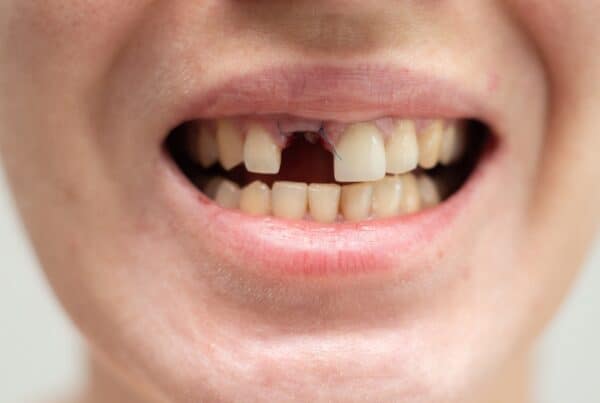
A broken tooth can feel uncomfortable and sometimes worrying, especially if it affects how you eat or speak. In certain situations, Tooth Extractions are the most practical way to manage a damaged tooth and protect your overall oral health. This guide explains when removal is recommended, how the procedure works, and what you can expect during recovery, all in a clear and reassuring way.
Understanding Broken Teeth
Teeth can become broken for a variety of reasons, including injury, biting on hard foods, or advanced decay that weakens the structure of the tooth. Some breaks are small and can be repaired, while others affect the deeper layers of the tooth.
The level of damage plays an important role in deciding the most suitable treatment.
Types of Tooth Damage
A tooth may have a minor chip, a visible crack, or a more severe break that extends below the gum line. Surface damage is often treatable, but deeper fractures may compromise the stability of the tooth.
In these cases, removal may be considered to prevent further complications.
Symptoms of a Broken Tooth
Common signs include sharp edges, sensitivity when biting, pain when chewing, or visible damage. In some cases, the tooth may not cause immediate discomfort but still requires attention.
Early assessment helps determine the best course of action.
When Removal Is Necessary
Whenever possible, dentists aim to preserve natural teeth. Treatments such as bonding, crowns, or root canal therapy may be used if the tooth can be restored.
However, extraction may be recommended when the damage is too extensive to repair effectively.
Severe Structural Damage
If a tooth is broken in a way that leaves very little healthy structure, it may not be strong enough to support a restoration. Removing the tooth can prevent ongoing discomfort and allow for a more stable long-term solution.
This helps protect surrounding teeth and tissues.
Breaks Below the Gum Line
When a fracture extends below the gum line, it can be difficult to repair the tooth successfully. In these cases, extraction may be the most practical option.
This allows the area to heal and prepares for future replacement if needed.
Infection or Complications
Broken teeth can sometimes lead to infection, especially if the inner part of the tooth is exposed. If the infection cannot be managed with other treatments, removal may be necessary to prevent further spread.
Addressing the issue early supports better outcomes.
The Extraction Process for Broken Teeth
Removing a broken tooth is carefully planned to ensure comfort and safety. The approach depends on the position of the tooth and the extent of the damage.
Your dentist will guide you through each step so you feel prepared and at ease.
Initial Assessment
The procedure begins with a thorough examination, often supported by X-rays. This helps your dentist understand the structure of the tooth and plan the most suitable method for removal.
Clear planning helps make the procedure smoother.
Simple vs Surgical Removal
If enough of the tooth is visible, a simple extraction may be possible. In cases where the tooth is broken at or below the gum line, a surgical approach may be needed to access and remove the remaining portion.
This ensures the tooth is removed safely and completely.
Comfort During the Procedure
Local anaesthetic is used to numb the area, ensuring you remain comfortable throughout. You may feel gentle pressure, but not pain.
Your dental team will check in with you regularly to ensure you feel at ease.
Aftercare Following Removal
After the tooth is removed, your dentist will provide clear instructions to help you care for the area. Proper aftercare supports healing and reduces the risk of complications.
These steps are simple and easy to follow.
Protecting the Extraction Site
A blood clot forms in the socket and should be protected during the early stages of healing. Avoiding actions such as using a straw or rinsing vigorously helps keep the clot in place.
This supports a smooth recovery.
Managing Discomfort
Mild discomfort and swelling are normal and can be managed with recommended pain relief and a cold compress. Most patients feel more comfortable within a few days.
Following guidance helps reduce any temporary symptoms.
Healing and Recovery
Healing after the removal of a broken tooth follows a natural process. With proper care, the area gradually repairs and becomes more comfortable.
Understanding this process can help you feel reassured.
Early Healing Stage
In the first few days, the blood clot stabilises and the gum tissue begins to repair. Rest and gentle care support this stage.
Soft foods and good hydration help maintain comfort.
Ongoing Recovery
Over the following weeks, the gum continues to heal and the area becomes more stable. Most patients return to normal routines as healing progresses.
Your dentist may monitor recovery if needed.
Replacing a Broken Tooth
After the extraction, you may wish to consider replacing the missing tooth. This helps restore function, maintain alignment, and support your overall smile.
Your dentist will explain the available options in a clear and supportive way.
Replacement Options
Common solutions include dental implants, bridges, or dentures. Each option is tailored to your needs and lifestyle, ensuring a comfortable and practical result.
Planning ahead supports long-term oral health.
Preventing Future Tooth Damage
Taking steps to protect your teeth can reduce the risk of future breakage. Simple habits and regular dental care play an important role in maintaining strong, healthy teeth.
Prevention is always the best approach.
Protective Measures
Avoiding hard foods, wearing a mouthguard during sports, and addressing grinding habits can help protect your teeth from damage. Regular check-ups allow early detection of any concerns.
Small changes can make a lasting difference.
Maintaining Strong Teeth
Good oral hygiene, including regular brushing and flossing, helps keep teeth strong and reduces the risk of decay. Balanced nutrition also supports overall dental health.
Consistency is key to long-term care.
Conclusion
Removing a broken tooth is sometimes the most practical step in protecting your oral health and restoring comfort. While preserving natural teeth is always the goal, extraction may be the best option when damage is severe. With gentle care, clear guidance, and supportive aftercare, most patients find the process straightforward and recovery smooth. Your dental team is there to guide you through every stage, helping you feel reassured and well cared for throughout your treatment.