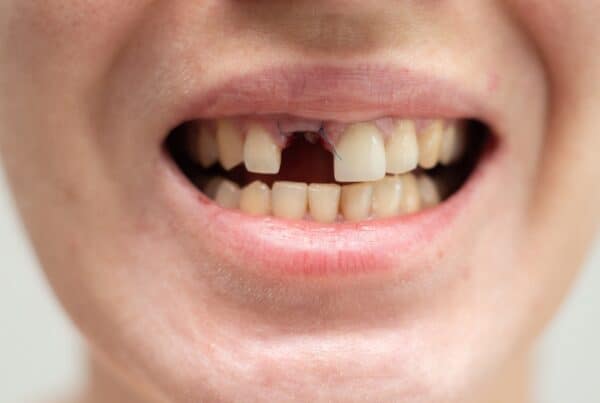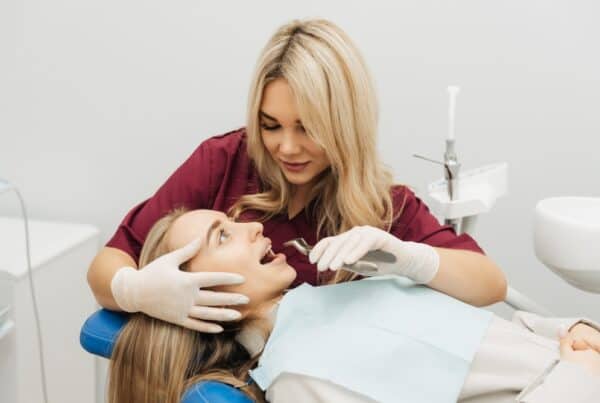
After a dental procedure, protecting the healing area is one of the most important steps in ensuring a smooth recovery. One condition patients often hear about is dry socket, which can occur if the protective blood clot in the extraction site is disturbed. When Tooth Extractions are performed, your dental team will guide you carefully on how to reduce this risk. This article explains what dry socket is and, more importantly, how to prevent it with simple, practical care at home.
What Is Dry Socket
Dry socket occurs when the blood clot that forms in the empty tooth socket is dislodged or does not develop properly. This clot is essential because it protects the underlying bone and nerves while the area heals.
If the clot is lost too early, the area can become more sensitive and healing may take longer. While it is not common, understanding how to prevent it can make a meaningful difference in your recovery.
Why the Blood Clot Matters
The blood clot acts as a natural barrier that supports tissue repair. It also helps reduce sensitivity and protects the site from food particles and bacteria.
Keeping this clot undisturbed is the main focus in preventing dry socket.
Key Steps to Prevent Dry Socket
Preventing dry socket is largely about gentle care and avoiding activities that could disturb the healing site. Following your dentist’s instructions closely helps ensure a smooth recovery.
These steps are simple but highly effective.
Avoid Using Straws
Drinking through a straw creates suction in the mouth, which can dislodge the blood clot. It is best to avoid straws for at least the first few days after your extraction.
Instead, sip drinks gently from a cup to protect the area.
Do Not Rinse Vigorously
Rinsing your mouth too forcefully can disturb the clot. In the first 24 hours, it is best to avoid rinsing altogether unless your dentist advises otherwise.
After this period, gentle rinsing may be introduced to keep the area clean.
Avoid Smoking
Smoking can interfere with healing and increase the risk of dry socket. The suction created while smoking, along with the effects on blood flow, can disrupt the clot.
If possible, avoiding smoking during the early healing period supports better recovery.
Eating Carefully During Recovery
Your diet plays an important role in protecting the extraction site. Choosing the right foods helps prevent irritation and supports healing.
Soft, gentle foods are recommended in the early stages.
Choose Soft Foods
Foods such as yoghurt, mashed vegetables, and soft fruits are easy to eat and less likely to disturb the clot. These options provide nourishment without putting pressure on the area.
Gradually returning to firmer foods helps maintain comfort.
Avoid Hard or Crunchy Foods
Hard or crunchy foods can irritate the site or become lodged in the socket. It is best to avoid items such as nuts, chips, and raw vegetables until healing is well underway.
Taking care with your food choices helps protect the area.
Maintaining Good Oral Hygiene
Keeping your mouth clean is important, but it should be done gently to avoid disturbing the healing site. Good hygiene helps reduce the risk of infection and supports recovery.
Your dentist will guide you on the best approach for your situation.
Brushing Your Teeth
You can continue brushing your teeth as normal, but avoid the extraction site for the first day. After this, you can clean the area gently if advised.
Using a soft-bristled toothbrush helps protect sensitive tissues.
Gentle Rinsing
After the first 24 hours, gentle rinsing with a mild saltwater solution may be recommended. This helps keep the area clean without causing irritation.
Always rinse carefully to avoid disturbing the clot.
Managing Activity and Rest
Resting after your procedure supports the healing process and helps reduce the risk of complications. Avoiding strenuous activity in the first few days allows your body to focus on recovery.
Simple adjustments to your routine can make a big difference.
Limit Physical Activity
Heavy exercise or strenuous movement can increase blood flow and may affect the stability of the clot. Taking it easy for the first day or two helps support healing.
Most patients can return to normal activities gradually.
Keep Your Head Elevated
When resting, keeping your head slightly elevated can help reduce swelling and support comfort. This also helps maintain stable blood flow to the area.
A comfortable resting position aids recovery.
Following Your Dentist’s Aftercare Instructions
Every patient’s situation is unique, so your dentist will provide personalised aftercare instructions. Following these closely is one of the most effective ways to prevent dry socket.
Clear guidance ensures you know exactly how to care for the area.
Using Prescribed Medications
If medications are recommended, taking them as directed supports healing and helps reduce the risk of complications. This may include pain relief or other supportive treatments.
Consistency is important for effective care.
Attending Follow-Up Appointments
If a follow-up visit is scheduled, it allows your dentist to check that healing is progressing as expected. This provides reassurance and an opportunity to address any concerns early.
Ongoing support helps ensure a smooth recovery.
Recognising Early Signs of Dry Socket
While prevention is the goal, it is helpful to recognise early signs so that you can seek advice promptly if needed. Early care can help manage the situation effectively.
Your dental team is always available to support you.
Symptoms to Be Aware Of
Symptoms may include increasing discomfort a few days after the extraction, sensitivity in the area, or a noticeable change in taste. If you notice these signs, it is best to contact your dentist for guidance.
Prompt attention helps keep your recovery on track.
Supporting a Smooth Healing Process
Preventing dry socket is about protecting the natural healing process and giving your body the best chance to recover comfortably. Simple habits and careful attention to aftercare make a significant difference.
Your dental team is there to guide you at every step.
Conclusion
Dry socket prevention is focused on gentle care, good habits, and following clear aftercare guidance. By protecting the blood clot, choosing the right foods, and avoiding activities that could disturb the healing site, you can reduce the risk and support a smooth recovery. With the right approach and support from your dental team, most patients heal comfortably and return to their normal routines without complications.