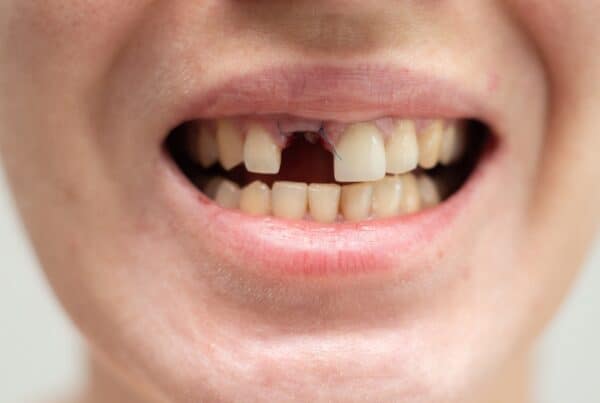
Noticing some bleeding after a dental procedure can feel concerning, but it is a normal part of the healing process. After Tooth Extractions, your body works to form a protective blood clot in the empty socket, and light bleeding is expected in the early stages. This guide explains what is normal, how to manage bleeding at home, and when to seek advice so you can feel reassured and supported during recovery.
Why Bleeding Happens After an Extraction
When a tooth is removed, small blood vessels in the area are affected. Your body responds by forming a clot, which helps stop the bleeding and protect the site as it begins to heal.
This clot is an important part of recovery and plays a key role in preventing complications.
The Role of the Blood Clot
The clot acts as a natural barrier that protects the underlying bone and nerves. It also supports the growth of new tissue as healing progresses.
Keeping this clot stable is essential for a smooth recovery.
What Is Normal Bleeding
It is common to experience light bleeding or slight oozing for several hours after the procedure. This may appear as a pinkish tinge in your saliva.
In most cases, this type of bleeding gradually reduces and stops within the same day.
First Few Hours
Bleeding is usually most noticeable immediately after the extraction. Your dentist will place gauze over the area and ask you to bite down gently to help control it.
This pressure supports clot formation and helps the bleeding settle.
Minor Oozing
Some light oozing may continue for a short time, especially when you are active or talking. This is normal and should decrease as the clot stabilises.
Staying calm and following aftercare steps helps manage this stage.
How to Control Bleeding at Home
Simple steps at home can help manage bleeding effectively and support healing. These measures are easy to follow and make a noticeable difference.
Your dentist will guide you through these instructions after the procedure.
Using Gauze
Place a clean piece of gauze over the extraction site and bite down gently for 20 to 30 minutes. This steady pressure helps encourage clot formation.
If needed, you can repeat this process until the bleeding settles.
Keeping Your Head Elevated
Keeping your head slightly elevated, especially when resting, can help reduce blood flow to the area and support clotting.
A comfortable position can improve overall recovery.
Resting and Avoiding Strain
Avoiding physical activity and heavy lifting in the first 24 hours helps prevent increased bleeding. Rest allows your body to focus on healing.
Taking it easy during this time is beneficial.
What to Avoid to Prevent Bleeding
Certain actions can disturb the clot and cause bleeding to continue. Avoiding these in the early stages helps protect the healing site.
Being mindful of these habits supports recovery.
Avoid Rinsing Vigorously
Strong rinsing can dislodge the clot and restart bleeding. It is best to avoid rinsing your mouth for the first 24 hours unless advised otherwise.
Gentle care is important during this stage.
Do Not Use Straws
Drinking through a straw creates suction that can disturb the clot. It is best to sip drinks gently from a cup instead.
This helps keep the site stable.
Avoid Smoking
Smoking can interfere with healing and increase the risk of bleeding. Avoiding it during the early recovery period supports better outcomes.
Protecting the area helps reduce complications.
Managing Bleeding Overnight
If your extraction is later in the day, you may still notice slight bleeding in the evening. This is usually manageable with simple care.
Preparing for rest can help you feel more comfortable.
Using a Protective Layer
Placing a clean towel over your pillow can help manage any minor oozing while you rest. This provides reassurance and keeps you comfortable.
Most bleeding reduces significantly by the next day.
Sleeping Position
Keeping your head elevated while sleeping can help reduce pressure on the extraction site and support clot stability.
This simple adjustment can make a difference.
When Bleeding May Need Attention
While most bleeding is normal and temporary, there are situations where additional support may be needed. Knowing when to seek advice helps ensure your recovery stays on track.
Your dental team is always available to guide you.
Signs to Watch For
If bleeding continues heavily for several hours, or if it does not improve with gentle pressure, it is important to contact your dentist. Bright red bleeding that fills the mouth quickly should also be checked.
Prompt attention helps manage the situation effectively.
Other Symptoms
Unusual swelling, persistent pain, or signs of infection should also be discussed with your dentist. These may require additional care.
Early advice supports a smooth recovery.
Supporting a Smooth Healing Process
Managing bleeding is an important part of the early healing stage. By following simple aftercare steps and protecting the blood clot, you help your body recover naturally.
Consistency and gentle care are key.
Staying Hydrated
Drinking enough fluids supports overall healing, but it is important to do so carefully without disturbing the extraction site.
Water is the best choice during recovery.
Following Aftercare Instructions
Your dentist will provide personalised guidance based on your procedure. Following these instructions closely helps reduce bleeding and supports healing.
Clear guidance makes recovery easier.
Conclusion
Bleeding after a tooth extraction is a normal part of the healing process and is usually easy to manage with simple care. By applying gentle pressure, avoiding activities that disturb the clot, and following your dentist’s advice, most patients find that bleeding settles quickly. Understanding what is normal and when to seek support helps you feel confident and reassured as you recover, allowing your mouth to heal comfortably and naturally.