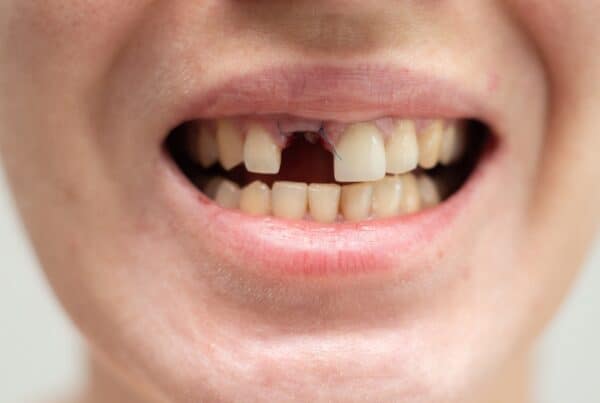
When a tooth becomes infected, it can affect not only your comfort but also your overall oral health. In some situations, Tooth Extractions are the most effective way to remove the source of infection and support healing. This approach is always carefully considered, with a focus on relieving discomfort, protecting surrounding teeth, and helping you return to a healthy, comfortable smile.
Understanding Tooth Infection
A tooth infection usually develops when bacteria enter the inner part of the tooth, known as the pulp. This can happen due to untreated decay, cracks, or injury.
If left untreated, the infection can spread to surrounding tissues and may lead to more serious complications. Early care helps prevent this progression and supports better outcomes.
Common Causes of Infection
Tooth decay is one of the most common causes, especially when it reaches deeper layers of the tooth. Gum disease and trauma to the tooth can also create pathways for bacteria to enter.
Addressing these issues early often allows for treatment before extraction becomes necessary.
Signs and Symptoms
Symptoms may include persistent toothache, sensitivity to hot or cold, swelling in the gums, or a bad taste in the mouth. In some cases, there may also be facial swelling or difficulty chewing.
If you notice these signs, it is important to seek dental care promptly.
When Extraction Is Recommended
Not all infections require removal of the tooth. In many cases, treatments such as root canal therapy can successfully eliminate infection while preserving the tooth.
However, extraction may be recommended when the tooth cannot be restored effectively or when the infection is too advanced.
Severely Damaged Teeth
If the structure of the tooth has been weakened significantly by decay or infection, it may not be possible to repair it with a filling or crown. Removing the tooth helps prevent further complications.
This allows your dentist to plan the next steps for restoring function and comfort.
Spread of Infection
When an infection begins to affect surrounding teeth, bone, or soft tissues, removing the source becomes a priority. This helps protect your overall oral health and reduces the risk of further spread.
Early action supports a safer and more effective outcome.
Benefits of Removing an Infected Tooth
While the idea of extraction can feel concerning, it often provides relief and supports long-term health. Removing an infected tooth eliminates the source of bacteria and allows the area to heal.
This can improve comfort and prevent ongoing issues.
Relief from Pain
Infections can cause persistent discomfort, which may affect daily activities such as eating and sleeping. Removing the tooth often brings noticeable relief once the area begins to heal.
This helps restore comfort and normal function.
Protecting Surrounding Teeth
An untreated infection can spread to nearby teeth and gums. Extraction helps prevent this and maintains a healthier environment in your mouth.
Taking this step can protect your overall dental health.
The Extraction Process for Infection
When an extraction is performed due to infection, the procedure is planned carefully to ensure comfort and safety. Your dentist will assess the area and determine the best approach.
The process is carried out with gentle techniques and appropriate pain management.
Preparation and Anaesthesia
The area is numbed using local anaesthetic to ensure you remain comfortable throughout the procedure. In some cases, additional support such as sedation may be offered if needed.
Your comfort is always a priority.
Removing the Tooth
The tooth is carefully loosened and removed. If the infection has affected the surrounding tissue, the area is gently cleaned to remove any bacteria and support healing.
This step helps create a healthy environment for recovery.
Aftercare Instructions
Clear aftercare guidance is provided to help you manage the healing process. This includes advice on eating, cleaning your teeth, and protecting the extraction site.
Following these instructions supports a smooth recovery.
Managing Infection After Extraction
After the tooth is removed, the focus shifts to healing and ensuring that any remaining infection is fully resolved. Your dentist may recommend additional care to support this process.
Proper management helps prevent recurrence.
Use of Medication
In some cases, antibiotics may be prescribed to help control infection and support healing. It is important to take any medication exactly as directed.
This helps ensure effective treatment.
Monitoring Recovery
Your dentist may arrange a follow-up appointment to check that the area is healing properly. This allows for early identification of any concerns and provides reassurance.
Ongoing care supports a positive outcome.
Healing After Extraction for Infection
Healing after an extraction for infection follows a similar process to other extractions, but it may require a little extra care depending on the severity of the infection.
Most patients recover comfortably with the right support.
Early Healing Stage
The body forms a blood clot in the socket, and the surrounding tissue begins to repair. Mild discomfort and swelling are normal during this stage.
Following aftercare instructions helps protect the area.
Ongoing Recovery
Over the following days and weeks, the gum tissue heals and the area becomes more stable. Maintaining good oral hygiene and attending follow-up visits supports steady progress.
Healing continues gradually beneath the surface.
Replacing the Extracted Tooth
After the infection has been resolved and the area has healed, your dentist may discuss options for replacing the missing tooth. This helps restore function and maintain balance in your smile.
Planning ahead ensures long-term oral health.
Available Options
Options may include dental implants, bridges, or dentures. Each option is explained clearly so you can choose what works best for your needs and lifestyle.
Your dentist will guide you through this decision.
Preventing Future Infections
Preventive care plays an important role in reducing the risk of future infections. Regular dental visits and good oral hygiene help keep your teeth and gums healthy.
Simple habits can make a lasting difference.
Daily Oral Care
Brushing and flossing regularly helps remove plaque and reduce the risk of decay and gum disease. Using the right techniques supports effective cleaning.
Consistency is key to maintaining oral health.
Routine Dental Check-Ups
Regular check-ups allow your dentist to detect and treat problems early. This helps prevent infections from developing or progressing.
Ongoing care supports long-term wellbeing.
Conclusion
Tooth extraction for infection is a carefully considered step that helps protect your oral health and relieve discomfort. While preserving natural teeth is always the goal, removing an infected tooth can be the most effective way to stop the spread of bacteria and support healing. With gentle care, clear guidance, and supportive follow-up, most patients recover smoothly and regain comfort. Your dental team is there to guide you through every stage, helping you feel reassured and well cared for throughout the process.