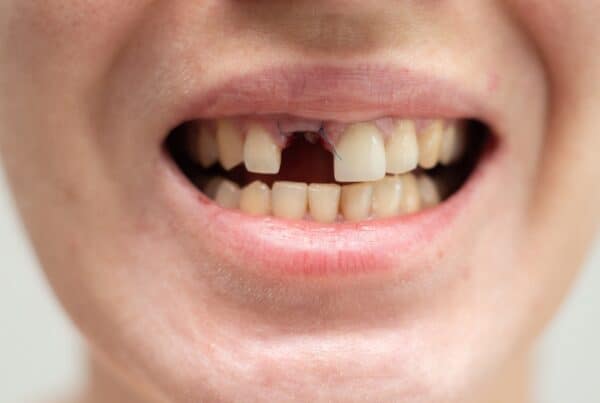
Healing after a dental procedure is a gradual process, and understanding each stage can help you feel more confident and at ease. After Tooth Extractions, your body begins repairing the area immediately, following a natural and predictable timeline. While every patient heals slightly differently, most people experience steady progress with the right care. This guide walks you through the typical healing stages so you know what to expect at each step.
Immediately After the Extraction
The healing process begins as soon as the tooth is removed. Your body forms a blood clot in the empty socket, which plays an essential role in protecting the area and supporting early healing.
This stage is focused on stabilising the clot and preventing disturbance to the site.
First Few Hours
Light bleeding is normal and usually settles within a few hours. Gauze is placed over the area to help apply gentle pressure and encourage clot formation.
You may still feel numb from the anaesthetic, and it is important to avoid chewing on that side of your mouth during this time.
Early Protection of the Site
Avoiding activities such as rinsing vigorously, using a straw, or touching the area helps protect the clot. This simple care supports the first stage of healing.
Keeping the area undisturbed is key in these early hours.
First 24 Hours
The first day is one of the most important stages in the healing timeline. The blood clot continues to stabilise, and your body begins the initial repair process.
Rest and gentle care help set a strong foundation for recovery.
What You May Feel
Mild discomfort and slight swelling are common during this period. These are normal responses and usually manageable with simple care.
Most patients feel comfortable with recommended pain relief and rest.
Supporting Early Healing
Soft foods, staying hydrated, and avoiding strenuous activity all contribute to a smoother recovery. Keeping your head slightly elevated when resting can also help reduce swelling.
These small steps make a meaningful difference.
Days 2 to 3
By the second and third days, the healing process becomes more noticeable. The blood clot remains in place, and new tissue begins to form around the socket.
During this stage, most patients begin to feel more comfortable.
Changes in Symptoms
Swelling may peak around this time and then gradually start to reduce. Discomfort should begin to ease, and you may find it easier to return to light daily activities.
This is a positive sign that healing is progressing well.
Continuing Gentle Care
Maintaining a soft diet and following aftercare instructions remains important. Gentle oral hygiene can be introduced, avoiding direct contact with the extraction site.
Consistency helps support steady healing.
Days 4 to 7
As the first week progresses, the gum tissue begins to close over the extraction site. The area becomes less sensitive, and normal routines can gradually resume.
Most patients notice a clear improvement in comfort during this period.
Healing Progress
The socket starts to fill with new tissue, and the risk of complications reduces significantly. Any remaining swelling should continue to settle.
Eating a wider range of soft foods may feel more comfortable at this stage.
Oral Hygiene Routine
You can continue brushing your teeth as normal while being gentle around the extraction area. If advised, mild rinsing can help keep the area clean without irritation.
Good hygiene supports ongoing healing.
One to Two Weeks
By the end of the first week and into the second, the gum tissue has largely healed over the socket. Most discomfort should have resolved, and the area feels more stable.
Daily activities and eating habits often return to normal during this time.
Visible Healing
The surface of the gum appears more closed and healthy. While the outer tissue heals relatively quickly, deeper healing continues beneath the surface.
This stage marks significant progress in recovery.
Follow-Up Care
If your extraction involved stitches, they may dissolve on their own or be checked during a follow-up visit. Your dentist will ensure that healing is progressing as expected.
This provides reassurance and ongoing support.
Several Weeks After Extraction
In the weeks following the procedure, the bone beneath the gum continues to heal. This process is slower but important for long-term stability.
You may not notice these changes, but your body is steadily rebuilding the area.
Bone Healing Process
The socket gradually fills with new bone tissue, strengthening the area. This is especially important if you are considering future treatments such as dental implants.
Full bone healing can take several weeks to a few months.
Returning to Full Function
By this stage, most patients are able to eat normally and carry out daily activities without any discomfort. The area continues to strengthen over time.
Your mouth adjusts naturally after the extraction.
Factors That Affect Healing Time
While the timeline above is typical, healing can vary depending on several factors. Understanding these can help you support your recovery more effectively.
Your dentist will consider these factors when guiding your care.
Complexity of the Extraction
Simple extractions usually heal more quickly, while surgical extractions may take a little longer due to the additional steps involved.
Following aftercare instructions helps manage this difference.
Overall Health
Your general health, including conditions such as diabetes or habits like smoking, can influence healing. Maintaining a healthy routine supports better recovery.
Good nutrition and rest are especially helpful.
Aftercare Routine
Careful attention to aftercare instructions plays a significant role in healing. Protecting the extraction site and keeping it clean helps prevent complications.
Consistency is key to a smooth recovery.
Signs of Healthy Healing
Recognising normal healing signs can help you feel reassured as you recover. These indicate that your body is progressing as expected.
Most patients experience these positive changes.
What to Look For
Gradual reduction in discomfort, decreasing swelling, and improved comfort when eating are all signs of healthy healing. The gum tissue will also begin to look more settled and less sensitive.
These changes show that recovery is on track.
When to Seek Advice
If you notice increasing pain, prolonged swelling, or unusual symptoms, it is important to contact your dentist. Early support helps address any concerns quickly.
Your dental team is always there to guide you.
Conclusion
The healing timeline after a tooth extraction follows a natural and steady process, with noticeable improvements each day. From the formation of the initial blood clot to the gradual rebuilding of tissue and bone, every stage plays a role in restoring your oral health. With the right care, most patients recover comfortably and return to normal routines within a short time. By understanding each phase and following your dentist’s guidance, you can feel confident and supported throughout your recovery journey.