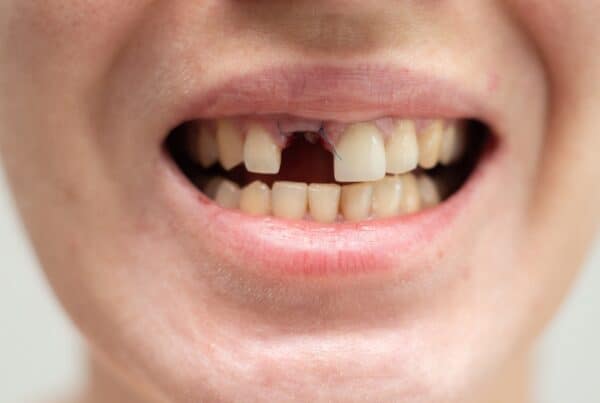
Creating space for healthy tooth alignment is sometimes an important part of orthodontic care. In certain situations, Tooth Extractions are recommended to support effective treatment and long-term results. This decision is always made carefully, with a focus on improving function, comfort, and the overall balance of your smile.
Why Extractions Are Used in Orthodontics
Orthodontic treatment aims to align teeth in a way that supports proper bite function and makes oral hygiene easier. When there is not enough space in the mouth, teeth may overlap or become crowded.
Removing one or more teeth can create the space needed to guide the remaining teeth into a healthier, more balanced position.
Managing Crowding
Crowding is one of the most common reasons for extraction in orthodontics. When teeth compete for space, they can shift out of alignment, making cleaning more difficult.
Creating space allows teeth to move into their correct positions more effectively.
Improving Bite Alignment
Extractions may also be recommended to correct bite issues, such as when the upper and lower teeth do not meet properly. Adjusting the number of teeth can help achieve better alignment between the jaws.
This supports both function and comfort.
When Extractions Are Recommended
Not every orthodontic case requires tooth removal. Many patients can achieve good results without extractions, especially with modern treatment options.
Your orthodontist will recommend extractions only when they are the most practical way to achieve a stable, long-term result.
Severe Crowding
When there is significant overcrowding, simply moving the teeth may not be enough. Removing selected teeth can provide the space needed for proper alignment.
This helps avoid placing excessive pressure on the remaining teeth.
Protruding Teeth
In some cases, teeth may extend forward due to lack of space. Extractions can allow these teeth to be repositioned more comfortably within the dental arch.
This supports both function and appearance.
Balanced Treatment Planning
The decision to remove teeth is based on careful planning. Factors such as jaw size, tooth position, and overall oral health are all considered.
Every treatment plan is tailored to the individual.
Which Teeth Are Typically Removed
When extractions are part of orthodontic treatment, specific teeth are selected to create the most effective space while maintaining balance in the smile.
The choice is based on detailed assessment and planning.
Premolars
Premolars are often chosen for extraction because of their position in the mouth. Removing these teeth can create space without significantly affecting the appearance of your smile.
This allows for effective alignment of the remaining teeth.
Other Considerations
In some cases, different teeth may be selected depending on the individual situation. The goal is always to achieve the best possible outcome with minimal disruption.
Your orthodontist will explain the reasoning clearly.
The Extraction Process Before Orthodontic Treatment
When extractions are needed, they are usually completed before braces or aligners are fitted. This allows the teeth to move more easily into their new positions.
The process is planned to ensure comfort and efficiency.
Simple and Comfortable Procedure
Most orthodontic extractions are straightforward and performed under local anaesthetic. The area is numbed to ensure you remain comfortable throughout the procedure.
Patients typically feel pressure rather than pain.
Timing of Orthodontic Treatment
Orthodontic appliances are usually placed shortly after the extraction site has begun to heal. This allows treatment to progress smoothly without unnecessary delay.
Your dentist or orthodontist will guide you on the timing.
Healing and Recovery
Recovery after orthodontic extractions is generally similar to other extractions. With proper care, most patients heal comfortably and return to normal activities within a few days.
Simple aftercare steps support the healing process.
Managing Early Healing
Protecting the extraction site, eating soft foods, and following aftercare instructions help support recovery. Mild discomfort and swelling are normal but usually settle quickly.
Good care in the early stages makes a difference.
Transition to Orthodontic Treatment
As healing progresses, orthodontic treatment continues to guide the teeth into their new positions. The space created by the extraction is gradually closed as part of the alignment process.
This supports a balanced final result.
Benefits of Extraction in Orthodontics
When recommended, extractions can play an important role in achieving a successful outcome. They help create the space needed for proper alignment and long-term stability.
This contributes to both function and appearance.
Improved Alignment
Creating space allows teeth to move into healthier positions, reducing crowding and improving the overall structure of the smile.
This also makes daily cleaning easier.
Long-Term Stability
Well-planned extractions support lasting results by ensuring that teeth are not forced into positions that may shift over time.
This helps maintain the outcome after treatment is complete.
Addressing Common Concerns
It is natural to have questions about extractions as part of orthodontic care. Understanding the purpose and benefits can help ease any concerns.
Your dental team is there to guide you through each step.
Will It Affect My Appearance
Extractions are planned carefully to maintain a natural and balanced appearance. In many cases, the overall look of the smile improves as alignment is corrected.
The goal is a harmonious result.
Is It Always Necessary
Extractions are only recommended when they provide clear benefits for the treatment outcome. Alternative approaches are considered whenever possible.
Your orthodontist will explain all options clearly.
Supporting Your Orthodontic Journey
Successful orthodontic treatment involves a combination of careful planning, patient cooperation, and consistent care. Extractions, when needed, are just one part of this process.
Ongoing support helps ensure a positive experience.
Following Treatment Guidance
Attending appointments, maintaining good oral hygiene, and following instructions all contribute to successful results. Your commitment plays an important role in the outcome.
Your dental team will support you throughout.
Conclusion
Extraction for orthodontics is a carefully considered step that helps create the space needed for healthy alignment and long-term stability. While not required in every case, it can play an important role in achieving the best possible results. With clear guidance, gentle care, and a personalised treatment plan, most patients find the process straightforward and manageable. Your dental team is there to support you at every stage, helping you feel confident and comfortable throughout your orthodontic journey.