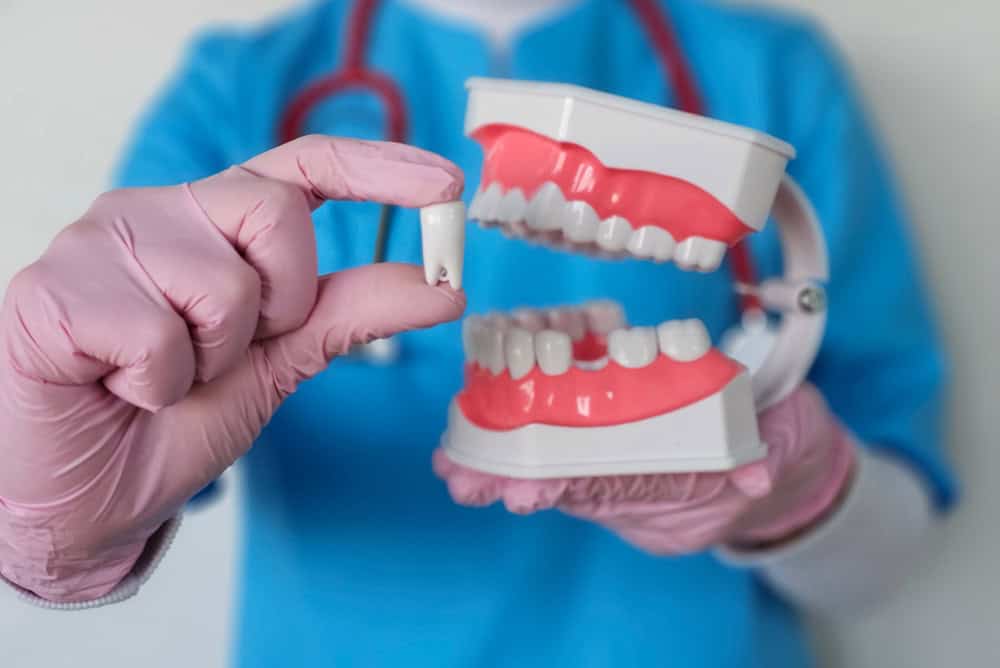
Understanding what happens during a dental procedure can make the experience feel much more comfortable and predictable. When Tooth Extractions are recommended, the focus is always on gentle care, clear communication, and supporting your long-term oral health. This guide walks you through each stage of the process, from preparation to recovery, so you know exactly what to expect.
Initial Consultation and Assessment
Every extraction begins with a careful evaluation of your dental health. Your dentist will examine the tooth, surrounding gums, and overall condition of your mouth to determine the most suitable approach.
This stage is important for planning your care and ensuring the procedure is safe, comfortable, and effective.
Dental Examination and Imaging
An examination may include digital X-rays to understand the position of the tooth and its roots. This helps your dentist identify whether the extraction will be straightforward or if a more detailed approach is needed.
The goal is to plan ahead so that the procedure is as smooth as possible.
Discussing Your Treatment Plan
You will be guided through the reasons for the extraction and any available alternatives. Your dentist will explain the procedure in simple terms and answer any questions you may have, helping you feel confident and informed.
Preparing for the Procedure
Preparation is designed to keep you comfortable and relaxed. Most extractions are carried out using local anaesthetic, which numbs the area around the tooth.
For patients who feel anxious or for more complex procedures, additional sedation options may be discussed.
Local Anaesthetic and Comfort Measures
The anaesthetic is applied carefully to ensure the area is fully numb before the procedure begins. You may feel slight pressure during the extraction, but you should not feel pain.
Your dental team will check that you are comfortable before moving forward.
Creating a Calm Environment
A supportive, calm setting helps make the experience more positive. You are encouraged to communicate with your dentist at any time during the procedure if you need reassurance or a short pause.
The Tooth Extraction Process
The steps involved in removing a tooth depend on whether it is a simple or surgical extraction. In both cases, the approach is gentle and carefully controlled.
Step 1: Loosening the Tooth
For a simple extraction, the dentist uses specialised instruments to gently loosen the tooth from its surrounding ligaments. This is done with steady, controlled movements to minimise discomfort.
For surgical cases, a small opening may be made in the gum to access the tooth more easily.
Step 2: Removing the Tooth
Once the tooth is loosened, it is carefully removed. In some surgical extractions, the tooth may be divided into smaller sections to allow for a smoother removal and to protect nearby structures.
This approach helps reduce pressure and makes the process more manageable.
Step 3: Cleaning the Area
After the tooth is removed, the area is gently cleaned to remove any debris or bacteria. This step supports proper healing and reduces the risk of infection.
In some cases, the socket may be shaped slightly to prepare for future treatment if needed.
Step 4: Closing the Site if Needed
For surgical extractions, stitches may be used to close the gum and support healing. These stitches are often dissolvable and do not require removal.
A piece of gauze is placed over the area to help a blood clot form, which is an important part of the healing process.
Immediately After the Extraction
Once the procedure is complete, your dentist will provide clear instructions to help you care for the area at home. These steps are simple but important for a smooth recovery.
You will be asked to bite gently on the gauze for a short time to control bleeding and support clot formation.
Managing Bleeding
Light bleeding is normal in the first few hours. Changing the gauze as instructed and keeping gentle pressure on the area helps the bleeding settle.
Avoiding activities such as rinsing vigorously or using a straw can protect the forming clot.
Reducing Swelling and Discomfort
Some mild swelling or discomfort is expected. Applying a cold compress to the outside of the cheek and following recommended pain relief guidance can help keep you comfortable.
Most patients find that symptoms improve within a few days.
Recovery and Healing
Healing begins immediately after the extraction. The body forms a protective blood clot in the socket, which is essential for proper recovery.
Over time, the area gradually closes and new tissue forms.
First 24 Hours
During the first day, it is important to rest and avoid disturbing the extraction site. Soft foods and plenty of fluids are recommended, while hot drinks and strenuous activity should be avoided.
This helps protect the clot and supports early healing.
Ongoing Healing
In the days that follow, the gum tissue begins to repair itself. Keeping the area clean with gentle brushing and following your dentist’s advice helps maintain a healthy environment.
Full healing of the area may take a few weeks, depending on the complexity of the extraction.
Aftercare Guidelines
Simple aftercare steps can make a significant difference in your recovery. Your dentist will provide personalised instructions based on your treatment.
Eating and Drinking
Soft foods such as yoghurt, soups, and mashed vegetables are recommended in the first few days. Gradually returning to your normal diet helps avoid unnecessary strain on the area.
It is best to avoid very hot, spicy, or crunchy foods during early healing.
Oral Hygiene
Keeping your mouth clean is important, but the extraction site should be treated gently. Brushing your teeth as normal while avoiding the area for the first day helps maintain overall oral health.
After this, gentle rinsing may be introduced if advised by your dentist.
Activity and Rest
Taking it easy for the first day or two supports healing. Avoiding heavy exercise and keeping your head slightly elevated when resting can help reduce swelling.
Most patients return to normal activities within a short period.
When to Follow Up
In some cases, a follow-up visit may be arranged to check healing, especially after surgical extractions. This allows your dentist to ensure everything is progressing as expected.
If you have any concerns during recovery, your dental team is always available to provide guidance.
Signs to Be Aware Of
While most recoveries are smooth, it is important to contact your dentist if you experience persistent pain, excessive swelling, or unusual symptoms. Early advice helps address any concerns quickly.
Planning for Tooth Replacement
After an extraction, your dentist may discuss options for replacing the missing tooth if needed. This can include dental implants, bridges, or dentures.
Replacing a tooth helps maintain proper alignment, chewing function, and overall balance in your smile.
Conclusion
A clear understanding of the tooth extraction process can make the experience feel much more manageable. From the initial consultation to recovery, each step is designed to prioritise your comfort and long-term oral health. With gentle care, clear guidance, and supportive aftercare, most patients find the procedure straightforward and recovery smooth. Your dental team is there to guide you through every stage, helping you feel confident and well cared for throughout your treatment.