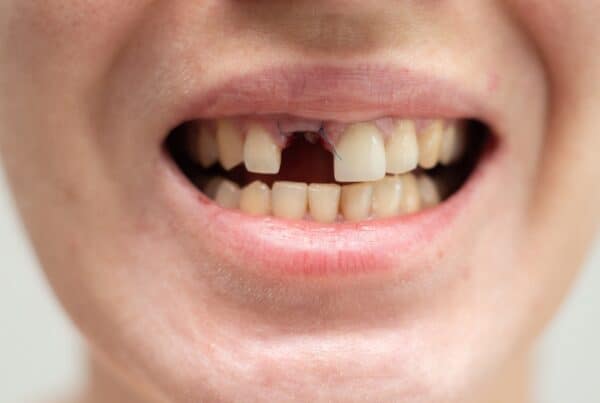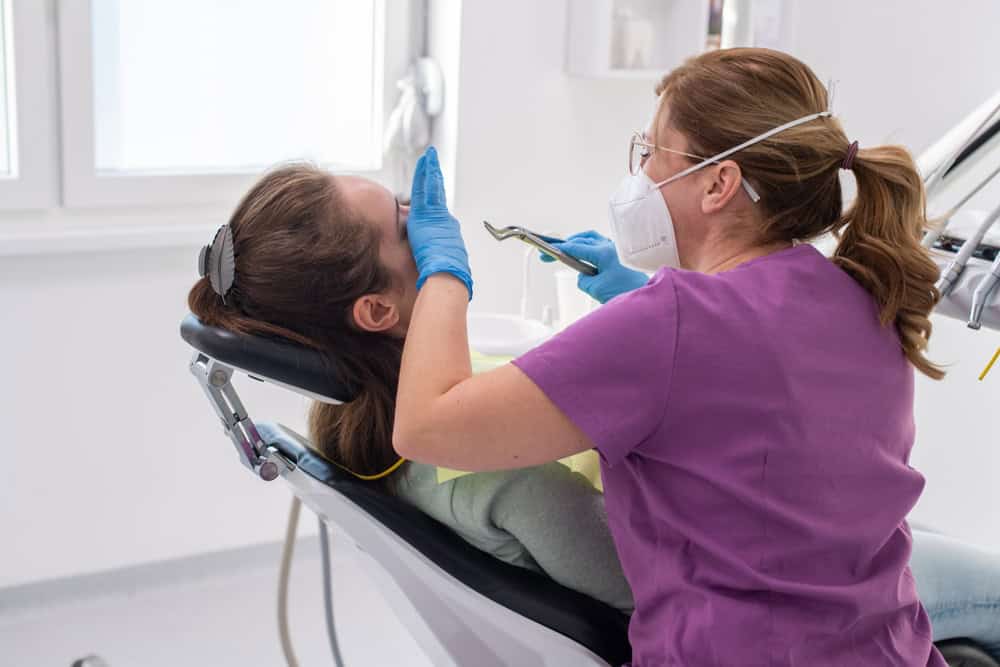
Recovering after a dental procedure is an important part of protecting your long-term oral health, and knowing what to expect can make the process feel much more manageable. After Tooth Extractions, your body begins a natural healing process right away. With the right care and a few simple steps at home, most patients experience a smooth and comfortable recovery. This guide walks you through each stage so you can feel confident and supported as you heal.
What Happens Immediately After an Extraction
Once the tooth has been removed, your body works quickly to protect the area. A blood clot forms in the empty socket, which acts as a natural barrier and supports the early stages of healing.
This clot is an important part of recovery, so the first few hours after the procedure are focused on helping it form and stay in place.
Managing Bleeding
It is normal to experience light bleeding for a short time after the extraction. Your dentist will place gauze over the area and ask you to bite down gently to apply pressure.
Changing the gauze as instructed and avoiding unnecessary disturbance helps the bleeding settle naturally.
Initial Numbness
The effects of local anaesthetic may last for a few hours after your appointment. During this time, it is important to avoid chewing on the numb side to prevent accidental irritation.
Once the feeling returns, you may notice mild tenderness, which is a normal part of the healing process.
The First 24 Hours of Recovery
The first day plays a key role in setting the foundation for healing. Rest and gentle care help your body begin repairing the area effectively.
Taking it easy during this time can make a noticeable difference in comfort and recovery.
Rest and Activity
It is best to avoid strenuous activity for the first 24 hours. Keeping your head slightly elevated when resting can help reduce swelling and support healing.
Most patients find that light activities are manageable, but it is important to listen to your body.
Eating and Drinking
Soft foods such as yoghurt, soups, mashed vegetables, and smoothies are recommended. These are gentle on the extraction site and help you maintain good nutrition without causing irritation.
It is best to avoid hot, spicy, or crunchy foods during this stage.
Protecting the Blood Clot
Activities that could disturb the clot should be avoided. This includes using a straw, rinsing vigorously, or smoking. Protecting the clot helps prevent complications and supports steady healing.
Gentle care during this time is key to a smooth recovery.
Managing Discomfort and Swelling
Some mild discomfort and swelling are normal after an extraction. These symptoms are usually temporary and improve within a few days.
Simple measures at home can help keep you comfortable during this period.
Pain Relief
Over-the-counter pain relief is often enough to manage discomfort. Your dentist may recommend specific options based on your needs.
Taking medication as directed helps maintain consistent comfort.
Cold Compress
Applying a cold compress to the outside of your cheek in short intervals can help reduce swelling. This is most effective within the first 24 hours after the procedure.
Keeping the area cool can also provide a soothing effect.
Oral Hygiene During Recovery
Maintaining good oral hygiene is important, but the extraction site should be treated with care. Keeping your mouth clean supports healing and reduces the risk of infection.
Your dentist will guide you on how to balance cleanliness with gentle care.
Brushing Your Teeth
You can continue brushing your teeth as normal, but avoid the extraction site for the first day. After this, you can clean the area gently if advised.
Using a soft-bristled toothbrush helps protect sensitive areas.
Rinsing Your Mouth
Rinsing may be introduced after the first 24 hours, often with a mild saltwater solution. This helps keep the area clean without causing irritation.
It is important to rinse gently to avoid disturbing the healing site.
Healing Timeline
Healing after an extraction happens in stages, and understanding this timeline can help you feel reassured about your progress.
Each stage is a natural part of your body’s recovery process.
First Few Days
During the first few days, the blood clot stabilises and the initial swelling begins to settle. Mild discomfort may still be present but should gradually improve.
Most patients start to feel more comfortable within this period.
One to Two Weeks
The gum tissue begins to close over the extraction site, and the area becomes less sensitive. Daily activities and normal eating habits can usually be resumed gradually.
At this stage, healing is well underway.
Longer-Term Healing
Complete healing of the bone beneath the gum can take several weeks to months. This process continues quietly in the background and supports long-term stability.
Your dentist may monitor this progress if further treatment is planned.
Foods to Support Recovery
Choosing the right foods can make recovery more comfortable and support healing. Soft, nutritious options are ideal in the early stages.
Gradually returning to your regular diet helps you regain normal function without putting pressure on the area.
Recommended Foods
Foods such as scrambled eggs, soft fruits, pasta, and blended soups are gentle and easy to eat. These options provide energy and nutrients without causing discomfort.
Staying hydrated is also important for overall recovery.
Foods to Avoid
Hard, crunchy, or sticky foods should be avoided initially, as they can irritate the area or become lodged in the socket. Hot foods and drinks are also best avoided in the first day.
Taking care with your diet helps protect the healing site.
When to Contact Your Dentist
Most recoveries are smooth, but it is important to be aware of any unusual symptoms. Your dental team is always available to provide support if needed.
Early advice can help address concerns quickly and effectively.
Signs to Watch For
Contact your dentist if you experience persistent pain, increasing swelling, or bleeding that does not settle. Other signs may include a bad taste in the mouth or delayed healing.
Prompt attention helps ensure your recovery stays on track.
Planning for Next Steps
After the area has healed, your dentist may discuss whether the missing tooth needs to be replaced. Options such as dental implants, bridges, or dentures can help restore function and maintain balance in your smile.
Planning ahead ensures your long-term oral health is supported.
Conclusion
Recovery after a tooth extraction is a gradual and manageable process when supported with the right care. By following simple aftercare steps, protecting the healing area, and staying aware of your progress, most patients experience a smooth and comfortable recovery. With clear guidance and ongoing support from your dental team, you can feel confident that your oral health is being cared for every step of the way.