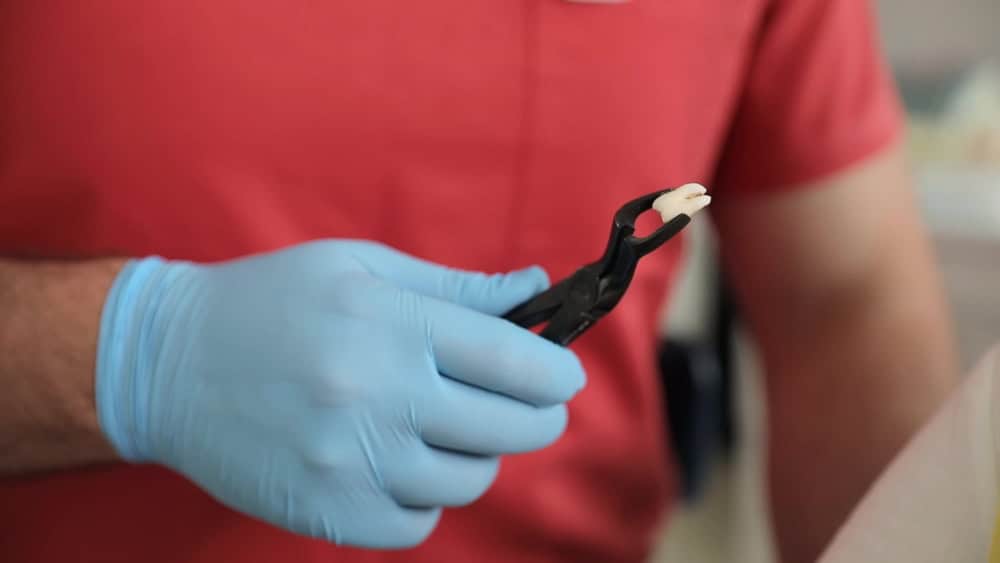
Understanding possible risks can help you feel more prepared and confident about your dental care. While Tooth Extractions are safe and commonly performed, it is important to be aware of what could happen and how these risks are carefully managed. With the right guidance and aftercare, most patients recover smoothly without complications. This guide explains the potential risks in a clear and reassuring way, along with how your dental team supports you throughout the process.
Why Understanding Risks Is Important
Every dental procedure carries some level of risk, even when performed with care and precision. Knowing what to expect helps you take the right steps during recovery and recognise when to seek advice.
It also allows your dentist to plan your treatment more effectively, taking into account your individual needs and overall health.
Balancing Benefits and Risks
In most cases, removing a problematic tooth prevents more serious issues such as infection, pain, or damage to surrounding teeth. The benefits of extraction often outweigh the potential risks, especially when treatment is recommended at the right time.
Your dentist will always explain this balance clearly before proceeding.
Common Risks After Tooth Extraction
Most side effects after an extraction are mild and temporary. These are part of the natural healing process and usually settle within a few days.
Understanding these common effects helps you feel reassured during recovery.
Bleeding
Light bleeding is normal immediately after the procedure. This is managed with gentle pressure using gauze and typically stops within a few hours.
Following aftercare instructions helps ensure bleeding settles as expected.
Swelling
Some swelling around the extraction site is common, especially within the first 24 to 48 hours. This is the body’s natural response to the procedure.
Using a cold compress and resting can help reduce swelling and improve comfort.
Discomfort
Mild discomfort is expected as the area begins to heal. This can usually be managed with recommended pain relief and simple home care.
Most patients notice steady improvement within a few days.
Dry Socket
Dry socket is one of the more well-known complications after an extraction, although it is not common. It occurs when the protective blood clot in the socket is dislodged or does not form properly.
This can leave the underlying bone exposed, leading to increased sensitivity or discomfort.
How to Reduce the Risk
Following aftercare instructions carefully helps lower the chance of dry socket. Avoiding actions such as using a straw, smoking, or rinsing vigorously in the early stages is especially important.
Protecting the blood clot supports proper healing.
When to Seek Advice
If you experience increasing pain a few days after the extraction or notice an unusual taste in your mouth, it is best to contact your dentist. Early care can help manage the situation quickly and comfortably.
Infection
Infection after an extraction is uncommon, but it can occur if bacteria enter the healing area. Maintaining good oral hygiene and following aftercare guidance reduces this risk significantly.
Your dentist may also provide additional instructions if there is a higher chance of infection.
Signs of Infection
Symptoms may include persistent swelling, fever, or discharge from the extraction site. These signs should be checked promptly to ensure proper care.
Early treatment helps prevent further complications.
Delayed Healing
In some cases, healing may take longer than expected. This can be influenced by factors such as overall health, smoking, or the complexity of the extraction.
Most delays are manageable with proper guidance and follow-up care.
Supporting Faster Healing
Following aftercare instructions, eating well, and keeping the area clean all help support the body’s natural healing process. Regular dental check-ups also ensure progress is monitored.
Small steps can make a big difference in recovery.
Damage to Surrounding Structures
During an extraction, nearby teeth, gums, or bone are carefully protected. In rare cases, there may be minor irritation or damage to these structures.
This is more likely in complex or surgical extractions but is managed with careful technique and planning.
Protective Measures
Your dentist uses precise instruments and techniques to minimise any impact on surrounding areas. Detailed planning, including imaging, helps reduce this risk further.
Careful handling supports both safety and comfort.
Nerve Sensitivity
In certain areas of the mouth, especially near the lower jaw, nerves are located close to the roots of the teeth. In rare cases, an extraction may lead to temporary changes in sensation, such as tingling or numbness.
These effects are usually temporary and improve over time.
Assessment and Planning
X-rays and careful evaluation help your dentist understand the position of nerves before the procedure. This allows for a safe and well-planned approach.
Taking these precautions helps minimise the risk.
Sinus Considerations
Upper back teeth are located close to the sinus area. In some cases, removing these teeth may affect the sinus cavity.
This is uncommon and is managed with specific care and guidance if it occurs.
Managing Sinus-Related Risks
Your dentist will assess the position of the tooth in relation to the sinus before the extraction. If there is a risk, additional care is taken during and after the procedure.
Following instructions, such as avoiding nose blowing, helps support recovery.
Managing Risks Through Proper Care
Most risks associated with tooth extraction can be reduced significantly with good planning and proper aftercare. Your dental team provides clear instructions tailored to your needs.
Taking these steps seriously helps ensure a smooth and comfortable recovery.
Following Aftercare Instructions
Simple actions such as keeping the area clean, eating soft foods, and avoiding certain habits play a key role in preventing complications.
Consistency in aftercare supports steady healing.
Attending Follow-Up Visits
Follow-up appointments allow your dentist to check healing and address any concerns early. This helps ensure your recovery stays on track.
Ongoing support provides reassurance and confidence.
When to Contact Your Dentist
While most recoveries are straightforward, it is important to know when to seek advice. Your dental team is always available to support you if needed.
Early communication helps manage any concerns effectively.
Symptoms to Watch For
Contact your dentist if you notice prolonged bleeding, severe pain, increasing swelling, or signs of infection. Any unusual or persistent symptoms should be assessed.
Prompt care helps ensure a positive outcome.
Conclusion
Tooth extraction is a safe and well-managed procedure, and most patients recover without complications. Understanding the possible risks allows you to take an active role in your care and recovery. With careful planning, gentle treatment, and clear aftercare guidance, these risks are kept to a minimum. Your dental team is there to support you at every stage, helping you feel reassured and confident throughout the process.