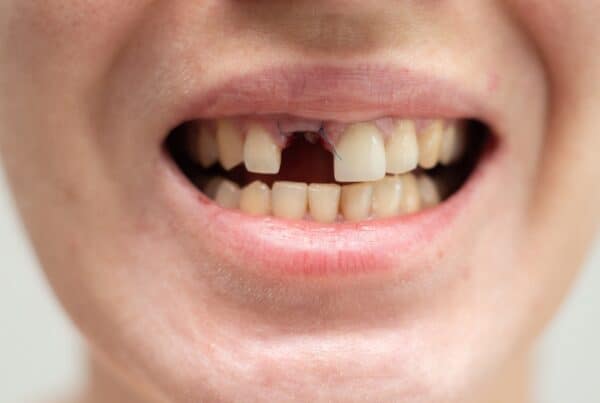
Understanding when a tooth needs to be removed can feel overwhelming, but our role is to guide you through it clearly and calmly. In some situations, Tooth Extractions are the most practical way to protect your overall oral health, relieve discomfort, and prevent further problems. This article explains when an extraction may be recommended, what signs to look for, and how your dental team supports you every step of the way.
Why Tooth Extraction May Be Necessary
Keeping your natural teeth is always the priority, and modern dentistry offers many ways to restore and protect them. However, there are cases where removing a tooth is the safest and most effective option. An extraction is typically recommended when a tooth can no longer function properly or when it begins to affect surrounding teeth and gums.
The goal is not just to address the current issue, but to maintain long-term oral health, comfort, and function. By removing a problematic tooth at the right time, future complications can often be avoided.
Severe Tooth Decay
Tooth decay can often be treated with fillings or crowns when caught early. When decay progresses deep into the tooth and reaches the inner pulp, it may cause infection and structural damage. If the remaining tooth structure is too weak to support a restoration, extraction may be recommended as a practical solution.
In these cases, removing the tooth helps prevent the spread of infection to nearby teeth and tissues, supporting a healthier environment in your mouth.
Advanced Gum Disease
Gum disease, also known as periodontal disease, affects the tissues and bone that support your teeth. In its advanced stages, it can cause teeth to become loose due to bone loss.
If a tooth no longer has enough support to stay stable, extraction may be the best way to protect surrounding teeth and allow for proper healing of the gums. Early care can often prevent this stage, which is why regular dental visits are so important.
Infection and Abscess
An untreated infection inside a tooth can lead to an abscess, which is a pocket of pus caused by bacteria. This can be painful and may affect surrounding tissues if not addressed promptly.
Root canal treatment is often used to save an infected tooth, but if the infection is severe or the tooth cannot be restored effectively, extraction may be recommended. Removing the source of infection helps protect your overall health and prevents further complications.
Signs of Dental Infection
Recognising early signs of infection can make a big difference. These may include persistent toothache, swelling in the gums, sensitivity to hot or cold, or a bad taste in the mouth. If you notice these symptoms, it is important to seek dental care as soon as possible.
Overcrowding and Orthodontic Treatment
In some cases, teeth may need to be removed to create space for proper alignment. This is common in orthodontic treatment, where overcrowding can prevent teeth from moving into their correct positions.
By removing one or more teeth, your dentist or orthodontist can guide the remaining teeth into a healthier, more balanced arrangement. This supports both function and appearance, making it easier to maintain oral hygiene over time.
Preparing for Braces or Aligners
When planning orthodontic care, your dentist will carefully assess your mouth to determine whether extractions are needed. The decision is always based on achieving the best long-term outcome, with a focus on comfort and stability.
Impacted or Problematic Wisdom Teeth
Wisdom teeth are the last teeth to develop and often do not have enough space to grow properly. When they become impacted, they may remain partially or fully trapped beneath the gums.
This can lead to discomfort, swelling, or infection. In these situations, removing the wisdom teeth can prevent ongoing issues and protect nearby teeth from damage.
Common Wisdom Tooth Concerns
Impacted wisdom teeth can cause pain at the back of the mouth, difficulty opening the jaw, or inflammation in the surrounding gums. Addressing these concerns early helps maintain comfort and prevents more complex problems later on.
Broken or Damaged Teeth
Accidents or injuries can sometimes cause teeth to break or crack. Depending on the extent of the damage, a tooth may be repaired with a crown or other treatment. However, if the damage extends below the gum line or compromises the structure of the tooth, extraction may be necessary.
Removing a severely damaged tooth allows your dentist to plan the most suitable replacement option, helping restore both function and appearance.
When Repair Is Not Enough
Your dental team will always explore options to save a tooth first. If repair is not possible, extraction becomes a practical step toward protecting the rest of your smile.
Preparing for Medical Treatments
In certain situations, teeth may need to be removed before medical treatments such as chemotherapy or organ transplants. This is done to reduce the risk of infection during treatment, when the body’s immune system may be more vulnerable.
Your dentist works closely with your medical team to ensure your oral health supports your overall wellbeing during this time.
Understanding the Decision Process
Choosing to remove a tooth is never taken lightly. Your dentist will carry out a thorough examination, including X-rays if needed, to understand the condition of the tooth and surrounding structures.
You will be guided through your options in a clear and supportive way, with time to ask questions and feel confident in your decision. The focus is always on what will best support your comfort, health, and long-term outcomes.
Personalised Care for Every Patient
Every patient’s situation is different. Factors such as age, overall oral health, and future treatment plans all play a role in determining whether extraction is the right choice. Care is always tailored to your individual needs.
What Happens After Extraction
Once a tooth is removed, your dentist will guide you through the next steps. This may include allowing the area to heal naturally or planning a replacement option such as a dental implant, bridge, or denture.
Replacing a missing tooth can help maintain proper chewing function, support surrounding teeth, and keep your smile balanced.
Supporting Healing and Recovery
Aftercare plays an important role in recovery. You will receive clear instructions on how to care for the area, manage discomfort, and support healing at home. Most patients recover smoothly with the right guidance.
Conclusion
Knowing when a tooth needs to be removed helps you make informed decisions about your dental care. While the idea of extraction can feel daunting, it is often a positive step toward protecting your oral health and preventing more complex issues. With a calm, supportive approach and clear guidance, your dental team ensures that every stage of the process feels manageable and reassuring. The focus is always on helping you maintain a healthy, comfortable smile for the long term.