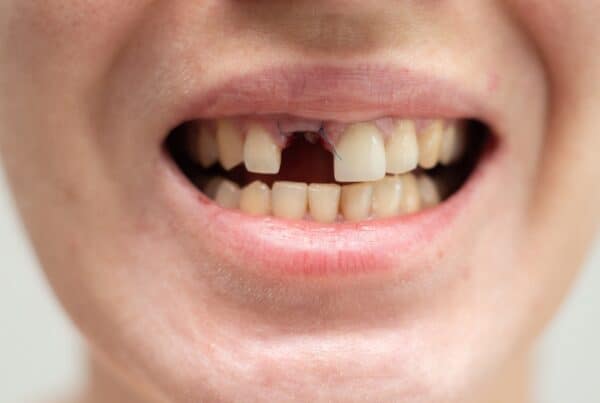
Understanding the difference between simple and surgical procedures can help you feel more confident about your treatment. In some cases, Tooth Extractions are straightforward and quick, while in other situations they require a more detailed approach. This guide explains how each type works, when they are recommended, and what you can expect, so you feel informed and supported throughout your care.
What Is a Simple Extraction
A simple extraction is the most common type of tooth removal. It is carried out when the tooth is fully visible above the gum line and can be accessed easily by your dentist.
This procedure is typically completed in a single visit using local anaesthetic to keep you comfortable. The tooth is gently loosened and removed using specialised dental instruments.
When a Simple Extraction Is Recommended
Simple extractions are usually suitable when the tooth is intact and clearly visible. Common reasons include moderate tooth decay, minor damage, or preparation for orthodontic treatment where space is needed.
Because the tooth structure is accessible, the process is efficient and recovery is generally smooth.
What to Expect During a Simple Extraction
The area around the tooth is carefully numbed to ensure a comfortable experience. Once the tooth is loosened, it is removed with controlled, gentle movements. Most patients feel pressure rather than pain during the procedure.
After removal, a small piece of gauze is placed to help the area clot and begin healing.
What Is a Surgical Extraction
A surgical extraction is a more involved procedure used when a tooth cannot be easily accessed. This may be because the tooth has not fully emerged, has broken at the gum line, or is positioned in a way that makes removal more complex.
This type of extraction is performed with careful planning and precision, often by a dentist with additional surgical training.
When a Surgical Extraction Is Needed
Surgical extraction may be recommended in several situations. Impacted teeth, such as wisdom teeth that have not fully come through, are a common example. Teeth that have broken below the gum line or have curved roots may also require a surgical approach.
In some cases, underlying bone or gum tissue needs to be gently adjusted to allow safe removal of the tooth.
What to Expect During a Surgical Extraction
The procedure begins with local anaesthetic, and in some cases, additional sedation may be offered to help you feel relaxed. A small incision is made in the gum to access the tooth. The tooth may be removed in sections to make the process smoother and protect surrounding structures.
After the tooth is removed, the area is carefully cleaned and may be closed with stitches to support healing.
Key Differences Between Simple and Surgical Extractions
While both procedures aim to remove a tooth safely and comfortably, there are important differences in how they are carried out.
Level of Complexity
Simple extractions are straightforward and involve teeth that are easy to reach. Surgical extractions are more complex and are used when access is limited or the tooth position requires additional care.
Procedure Time
A simple extraction is usually completed quickly, often within a short appointment. Surgical extractions may take longer due to the additional steps involved.
Healing and Recovery
Recovery from a simple extraction is typically faster, with minimal discomfort. Surgical extractions may involve a slightly longer healing period, especially if stitches are used or if the surrounding tissue has been adjusted.
Aftercare Needs
Both types of extraction require proper aftercare, but surgical procedures may come with more detailed instructions to support healing and reduce swelling.
Comfort and Pain Management
Your comfort is always a priority, regardless of the type of extraction. Local anaesthetic is used to numb the area, ensuring that you do not feel pain during the procedure.
For surgical extractions or for patients who feel anxious, sedation options may be discussed to help create a calm and relaxed experience.
Managing Discomfort After the Procedure
It is normal to experience mild discomfort after an extraction. This can usually be managed with recommended pain relief and simple home care steps. Following your dentist’s guidance helps ensure a smooth recovery.
Healing Process After Each Type
The body naturally begins healing as soon as the tooth is removed. A blood clot forms in the socket, which is an important part of the healing process.
For simple extractions, healing often progresses quickly, with most patients returning to normal routines within a few days. Surgical extractions may require a little more time, especially if stitches are involved.
Supporting Healing at Home
Keeping the area clean, avoiding hard or crunchy foods, and following aftercare instructions all help promote healing. Gentle care in the first few days makes a noticeable difference in comfort and recovery.
Choosing the Right Approach
Your dentist will recommend the most suitable type of extraction based on a careful assessment of your tooth and overall oral health. X-rays may be used to understand the position of the tooth and surrounding structures.
The aim is always to choose the safest, most comfortable approach while protecting the health of nearby teeth and tissues.
Personalised Treatment Planning
No two cases are the same. Your treatment plan is tailored to your needs, ensuring that you receive care that is both effective and appropriate for your situation.
Aftercare and Follow-Up
After the procedure, you will receive clear guidance on how to care for the area. This may include advice on eating, cleaning your teeth, and managing any temporary discomfort.
Follow-up appointments may be arranged if needed, especially after surgical extractions, to ensure healing is progressing as expected.
When to Contact Your Dentist
If you notice unusual symptoms such as prolonged pain, swelling, or delayed healing, it is important to reach out for advice. Your dental team is there to support you at every stage.
Conclusion
Understanding the difference between simple and surgical extraction helps remove uncertainty and allows you to approach treatment with confidence. Whether the procedure is straightforward or more detailed, the focus remains the same: gentle care, clear communication, and a smooth recovery. With the right guidance and support, both types of extraction can be managed comfortably while protecting your long-term oral health.